10 Books Similar to "Dr. Franklin's Island"
by Ann Halam

Horizon

"Horizon" by Scott Westerfeld thrusts a diverse group of twelve seemingly ordinary teenagers into a perilous struggle for survival after their plane mysteriously crashes on a remote, uninhabited island. With their memories fragmented and the island itself exhibiting bizarre, constantly shifting characteristics, they must collectively decipher the truth behind their predicament and find a way back to civilization, all while confronting the dangers of their environment and the growing suspicions among themselves.
The core similarity to "Dr. Franklin's Island" lies in the premise of a group of young protagonists marooned in an extreme, isolated environment, facing extraordinary challenges that push them to their physical and psychological limits. Both narratives explore themes of survival, the breakdown of societal norms, the ethical ambiguities of humanity under duress, and the scientific manipulation of life. The unknown, potentially malevolent forces at play in "Horizon" directly echo the sinister scientific experiments central to Halam's work.
This book offers a compelling blend of sci-fi mystery and survival thriller, making it an engaging read for those who appreciate high-stakes narratives with intricate puzzles to unravel. The exploration of memory, identity, and the boundaries of reality provides significant thematic depth, fostering discussion and reflection on what it means to be human in extraordinary circumstances. Its fast-paced plot and intriguing premise ensure a gripping experience.
Horizon
"Horizon" by Scott Westerfeld thrusts a diverse group of twelve seemingly ordinary teenagers into a perilous struggle for survival after their plane mysteriously crashes on a remote, uninhabited island. With their memories fragmented and the island itself exhibiting bizarre, constantly shifting characteristics, they must collectively decipher the truth behind their predicament and find a way back to civilization, all while confronting the dangers of their environment and the growing suspicions among themselves.
The core similarity to "Dr. Franklin's Island" lies in the premise of a group of young protagonists marooned in an extreme, isolated environment, facing extraordinary challenges that push them to their physical and psychological limits. Both narratives explore themes of survival, the breakdown of societal norms, the ethical ambiguities of humanity under duress, and the scientific manipulation of life. The unknown, potentially malevolent forces at play in "Horizon" directly echo the sinister scientific experiments central to Halam's work.
This book offers a compelling blend of sci-fi mystery and survival thriller, making it an engaging read for those who appreciate high-stakes narratives with intricate puzzles to unravel. The exploration of memory, identity, and the boundaries of reality provides significant thematic depth, fostering discussion and reflection on what it means to be human in extraordinary circumstances. Its fast-paced plot and intriguing premise ensure a gripping experience.
Island of Shipwrecks

"Island of Shipwrecks" is a young adult survival novel where a group of privileged teens, attending a wilderness therapy camp, become stranded on a seemingly deserted island after a mysterious storm. They must navigate the harsh environment, confront their fractured relationships, and uncover the island's secrets, all while fighting for survival against both natural dangers and unexpected threats. The narrative explores themes of resilience, social dynamics under duress, and the moral compromises necessary for survival.
This novel shares a significant thematic and structural kinship with "Dr. Franklin's Island." Both books place a small group of young protagonists in an isolated, dangerous, and often manipulative island environment, forcing them to mature rapidly and make difficult ethical choices. The element of a hidden, ominous presence or a non-natural threat, rather than just wilderness, is also prevalent in both, adding a layer of psychological suspense to the physical struggle for survival.
It will appeal to those who appreciate high-stakes survival stories blended with psychological suspense and character-driven drama. The book offers a compelling exploration of human nature when stripped of societal comforts, making readers consider the boundaries of morality and the capacity for both good and evil within individuals. Its nuanced portrayal of complex adolescent relationships and the struggle for leadership against a backdrop of imminent danger provides both intellectual engagement and thrilling entertainment.
Island of Shipwrecks
"Island of Shipwrecks" is a young adult survival novel where a group of privileged teens, attending a wilderness therapy camp, become stranded on a seemingly deserted island after a mysterious storm. They must navigate the harsh environment, confront their fractured relationships, and uncover the island's secrets, all while fighting for survival against both natural dangers and unexpected threats. The narrative explores themes of resilience, social dynamics under duress, and the moral compromises necessary for survival.
This novel shares a significant thematic and structural kinship with "Dr. Franklin's Island." Both books place a small group of young protagonists in an isolated, dangerous, and often manipulative island environment, forcing them to mature rapidly and make difficult ethical choices. The element of a hidden, ominous presence or a non-natural threat, rather than just wilderness, is also prevalent in both, adding a layer of psychological suspense to the physical struggle for survival.
It will appeal to those who appreciate high-stakes survival stories blended with psychological suspense and character-driven drama. The book offers a compelling exploration of human nature when stripped of societal comforts, making readers consider the boundaries of morality and the capacity for both good and evil within individuals. Its nuanced portrayal of complex adolescent relationships and the struggle for leadership against a backdrop of imminent danger provides both intellectual engagement and thrilling entertainment.
Megan's Island

"Megan's Island" follows teenager Megan and her younger brother as they are forced to flee their seemingly idyllic suburban life after witnessing a murder. They find themselves stranded on a remote Pacific Northwest island, relying solely on their wits and limited survival skills to evade detection by the criminals, who are determined to silence them, and navigate the unforgiving natural environment. It's a compelling narrative of resilience, resourcefulness, and sibling loyalty against overwhelming odds.
The core similarity to "Dr. Franklin's Island" lies in the premise of young protagonists unexpectedly thrust into a harsh, isolated environment where their survival hinges on their ingenuity and ability to adapt. Both novels explore themes of self-discovery, the breakdown of societal norms, and the primal struggle for existence in the face of profound danger and isolation. The shift from ordinary life to extreme, life-or-death circumstances forms the central dramatic tension in both stories.
This book offers a captivating exploration of human endurance and the unexpected strengths that emerge under duress. It provides a thought-provoking look at the psychological and practical challenges of survival, drawing significant parallels to the ethical dilemmas and character development prominent in "Dr. Franklin's Island." The narrative's suspense and focus on problem-solving make it a valuable experience for those interested in realistic survival fiction and stories of personal transformation.
Megan's Island
"Megan's Island" follows teenager Megan and her younger brother as they are forced to flee their seemingly idyllic suburban life after witnessing a murder. They find themselves stranded on a remote Pacific Northwest island, relying solely on their wits and limited survival skills to evade detection by the criminals, who are determined to silence them, and navigate the unforgiving natural environment. It's a compelling narrative of resilience, resourcefulness, and sibling loyalty against overwhelming odds.
The core similarity to "Dr. Franklin's Island" lies in the premise of young protagonists unexpectedly thrust into a harsh, isolated environment where their survival hinges on their ingenuity and ability to adapt. Both novels explore themes of self-discovery, the breakdown of societal norms, and the primal struggle for existence in the face of profound danger and isolation. The shift from ordinary life to extreme, life-or-death circumstances forms the central dramatic tension in both stories.
This book offers a captivating exploration of human endurance and the unexpected strengths that emerge under duress. It provides a thought-provoking look at the psychological and practical challenges of survival, drawing significant parallels to the ethical dilemmas and character development prominent in "Dr. Franklin's Island." The narrative's suspense and focus on problem-solving make it a valuable experience for those interested in realistic survival fiction and stories of personal transformation.
Scar Island

"Scar Island" centers on Jonathan Grief, a twelve-year-old boy sent to a remote, foreboding island reformatory for troubled youths. When the headmaster vanishes and the boys are left unsupervised, they must forge their own society and battle increasingly violent power struggles, all while confronting the island's haunting secrets and their own pasts. It's a dark exploration of human nature under duress, guilt, and the search for redemption.
The core similarity to "Dr. Franklin's Island" lies in the forced isolation and the struggle for survival amongst a group of young people. Both novels place their protagonists in extreme, unsupervised environments where they must navigate power dynamics, ethical dilemmas, and the very real threat of violence, leading to a rapid maturation and re-evaluation of their identities and their understanding of humanity. Both are compelling interpretations of the "Lord of the Flies" archetype.
This narrative holds an enduring appeal due to its exploration of resilience, the nature of justice, and the psychological impact of trauma. It offers a powerful, thought-provoking commentary on childhood, punishment, and the potential for both tyranny and heroism within seemingly ordinary individuals. The novel’s unflinching portrayal of challenging themes ensures a memorable and impactful reading experience.
Scar Island
"Scar Island" centers on Jonathan Grief, a twelve-year-old boy sent to a remote, foreboding island reformatory for troubled youths. When the headmaster vanishes and the boys are left unsupervised, they must forge their own society and battle increasingly violent power struggles, all while confronting the island's haunting secrets and their own pasts. It's a dark exploration of human nature under duress, guilt, and the search for redemption.
The core similarity to "Dr. Franklin's Island" lies in the forced isolation and the struggle for survival amongst a group of young people. Both novels place their protagonists in extreme, unsupervised environments where they must navigate power dynamics, ethical dilemmas, and the very real threat of violence, leading to a rapid maturation and re-evaluation of their identities and their understanding of humanity. Both are compelling interpretations of the "Lord of the Flies" archetype.
This narrative holds an enduring appeal due to its exploration of resilience, the nature of justice, and the psychological impact of trauma. It offers a powerful, thought-provoking commentary on childhood, punishment, and the potential for both tyranny and heroism within seemingly ordinary individuals. The novel’s unflinching portrayal of challenging themes ensures a memorable and impactful reading experience.
Galax-Arena

"Galax-Arena" plunges young protagonists into a brutal, televised survival game on an alien world, where they are forced to perform dangerous acrobatic feats for the entertainment of a distant audience. Their only hope for freedom lies in excelling at these deadly rituals, while simultaneously uncovering the dark secrets of their captivity and the true nature of their captors. It's a gripping narrative about exploitation, endurance, and the fight for autonomy.
This novel shares significant thematic and narrative parallels with "Dr. Franklin's Island". Both books feature a small group of teenagers kidnapped and subjected to involuntary and unethical scientific experimentation or manipulative social engineering by powerful, amoral adult figures. The focus in both is on the young people's struggle for survival, their growing disillusionment with authority, and their collaborative efforts to escape or overcome their dire circumstances. Both also explore questions of identity, humanity, and the ethical boundaries of power.
The compelling exploration of adolescent resilience in the face of profound ethical violations makes this book particularly engaging. It offers a thought-provoking examination of human nature under duress, the insidious nature of control, and the enduring power of hope and defiance. It’s valuable for those interested in dystopian themes, ethical dilemmas, and stories centered on youth agency and survival.
Galax-Arena
"Galax-Arena" plunges young protagonists into a brutal, televised survival game on an alien world, where they are forced to perform dangerous acrobatic feats for the entertainment of a distant audience. Their only hope for freedom lies in excelling at these deadly rituals, while simultaneously uncovering the dark secrets of their captivity and the true nature of their captors. It's a gripping narrative about exploitation, endurance, and the fight for autonomy.
This novel shares significant thematic and narrative parallels with "Dr. Franklin's Island". Both books feature a small group of teenagers kidnapped and subjected to involuntary and unethical scientific experimentation or manipulative social engineering by powerful, amoral adult figures. The focus in both is on the young people's struggle for survival, their growing disillusionment with authority, and their collaborative efforts to escape or overcome their dire circumstances. Both also explore questions of identity, humanity, and the ethical boundaries of power.
The compelling exploration of adolescent resilience in the face of profound ethical violations makes this book particularly engaging. It offers a thought-provoking examination of human nature under duress, the insidious nature of control, and the enduring power of hope and defiance. It’s valuable for those interested in dystopian themes, ethical dilemmas, and stories centered on youth agency and survival.
Island of Graves

*Island of Graves* by Lisa McMann centers on a group of teenagers who awaken on a deserted island with no memory of how they got there, only fragmented visions of a shipwreck. As they piece together their pasts and navigate the harsh realities of survival, they uncover a terrifying conspiracy involving their own identities and the true nature of their predicament. It’s a fast-paced thriller driven by amnesia, mystery, and the relentless fight for existence against unknown adversaries.
This novel shares a strong thematic and narrative kinship with *Dr. Franklin's Island*. Both books immerse protagonists in a perilous, isolated island setting following a traumatic event, forcing them into extreme survival scenarios. Crucially, both explore the ethical ambiguities of scientific experimentation and the profound, often horrifying, implications of manipulating human life under the guise of progress or necessity. The psychological toll of confinement and the blurred lines between victim and experiment are central to both narratives.
This book offers a compelling narrative for those who appreciate high-stakes survival stories infused with psychological tension and a probing look into medical ethics. Its blend of mystery, action, and philosophical questions about identity and humanity makes for an engaging read. The intricate plot and constant suspense provide a valuable mental exercise, encouraging reflection on the boundaries of scientific endeavor and the resilience of the human spirit.
Island of Graves
*Island of Graves* by Lisa McMann centers on a group of teenagers who awaken on a deserted island with no memory of how they got there, only fragmented visions of a shipwreck. As they piece together their pasts and navigate the harsh realities of survival, they uncover a terrifying conspiracy involving their own identities and the true nature of their predicament. It’s a fast-paced thriller driven by amnesia, mystery, and the relentless fight for existence against unknown adversaries.
This novel shares a strong thematic and narrative kinship with *Dr. Franklin's Island*. Both books immerse protagonists in a perilous, isolated island setting following a traumatic event, forcing them into extreme survival scenarios. Crucially, both explore the ethical ambiguities of scientific experimentation and the profound, often horrifying, implications of manipulating human life under the guise of progress or necessity. The psychological toll of confinement and the blurred lines between victim and experiment are central to both narratives.
This book offers a compelling narrative for those who appreciate high-stakes survival stories infused with psychological tension and a probing look into medical ethics. Its blend of mystery, action, and philosophical questions about identity and humanity makes for an engaging read. The intricate plot and constant suspense provide a valuable mental exercise, encouraging reflection on the boundaries of scientific endeavor and the resilience of the human spirit.
The Lost Conspiracy
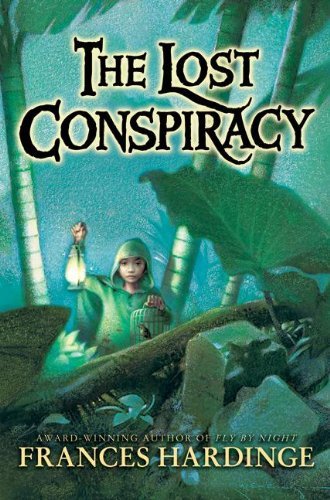
"The Lost Conspiracy" follows Hathin, a young girl on a remote island where an isolated society dictates their lives through intricate, prophetic rituals and rigid social structures. When a catastrophic earthquake disrupts their established order, Hathin, an unlikely observer with a knack for deciphering hidden truths, finds herself entangled in a struggle to maintain her community's fragile existence and uncover the real, sometimes brutal, mechanics behind their traditions. It's a story of cultural upheaval, burgeoning scientific curiosity, and the quest for independent thought in the face of ingrained dogma.
Both novels feature protagonists thrust into challenging survival scenarios on isolated islands, forced to confront the limits of human knowledge and societal norms. Just as the girls in "Dr. Franklin's Island" rely on their intellect and ingenuity to navigate a bewildering environment and escape manipulation, Hathin must use her sharp observational skills and nascent scientific reasoning to interpret mysterious events and challenge the manipulative forces at play in her society. The overarching themes of discovery, questioning authority, and adapting to extreme circumstances are central to both narratives.
This book offers a compelling exploration of the tension between scientific understanding and superstitious belief, and the difficult process of dismantling long-held assumptions. The intricate world-building and Frances Hardinge's characteristic lyrical prose provide an immersive experience. Its nuanced portrayal of a young woman's intellectual awakening and courageous pursuit of truth, even when it threatens established order, makes it a thought-provoking and ultimately rewarding read.
The Lost Conspiracy
"The Lost Conspiracy" follows Hathin, a young girl on a remote island where an isolated society dictates their lives through intricate, prophetic rituals and rigid social structures. When a catastrophic earthquake disrupts their established order, Hathin, an unlikely observer with a knack for deciphering hidden truths, finds herself entangled in a struggle to maintain her community's fragile existence and uncover the real, sometimes brutal, mechanics behind their traditions. It's a story of cultural upheaval, burgeoning scientific curiosity, and the quest for independent thought in the face of ingrained dogma.
Both novels feature protagonists thrust into challenging survival scenarios on isolated islands, forced to confront the limits of human knowledge and societal norms. Just as the girls in "Dr. Franklin's Island" rely on their intellect and ingenuity to navigate a bewildering environment and escape manipulation, Hathin must use her sharp observational skills and nascent scientific reasoning to interpret mysterious events and challenge the manipulative forces at play in her society. The overarching themes of discovery, questioning authority, and adapting to extreme circumstances are central to both narratives.
This book offers a compelling exploration of the tension between scientific understanding and superstitious belief, and the difficult process of dismantling long-held assumptions. The intricate world-building and Frances Hardinge's characteristic lyrical prose provide an immersive experience. Its nuanced portrayal of a young woman's intellectual awakening and courageous pursuit of truth, even when it threatens established order, makes it a thought-provoking and ultimately rewarding read.
Island of Fire

"Island of Fire" by Lisa McMann follows a group of teenagers who awaken on a mysterious island with no memory of how they arrived. They quickly discover they possess extraordinary powers, but also that the island itself is a living entity, forcing them into a desperate struggle for survival and understanding against both its immediate threats and the hidden truths of their own origins.
This narrative echoes "Dr. Franklin's Island" through its core premise of young protagonists marooned on an enigmatic island, confronting scientific or supernatural experiments that fundamentally alter their identities and challenge their humanity. Both novels delve into themes of survival, ethical boundaries of scientific manipulation, and the psychological impact of extreme isolation and transformation.
The appeal of "Island of Fire" lies in its combination of thrilling mystery, evolving superpowers, and psychological depth. It offers a suspenseful exploration of identity and agency under duress, inviting thoughtful engagement with the characters' evolving abilities and the moral dilemmas posed by their situation. The swift pacing and high stakes ensure a compelling read, while its thematic resonance provides substantive material for reflection.
Island of Fire
"Island of Fire" by Lisa McMann follows a group of teenagers who awaken on a mysterious island with no memory of how they arrived. They quickly discover they possess extraordinary powers, but also that the island itself is a living entity, forcing them into a desperate struggle for survival and understanding against both its immediate threats and the hidden truths of their own origins.
This narrative echoes "Dr. Franklin's Island" through its core premise of young protagonists marooned on an enigmatic island, confronting scientific or supernatural experiments that fundamentally alter their identities and challenge their humanity. Both novels delve into themes of survival, ethical boundaries of scientific manipulation, and the psychological impact of extreme isolation and transformation.
The appeal of "Island of Fire" lies in its combination of thrilling mystery, evolving superpowers, and psychological depth. It offers a suspenseful exploration of identity and agency under duress, inviting thoughtful engagement with the characters' evolving abilities and the moral dilemmas posed by their situation. The swift pacing and high stakes ensure a compelling read, while its thematic resonance provides substantive material for reflection.
Land of Loss

"Land of Loss" by K.A. Applegate is a captivating young adult novel exploring survival and the human psyche. It follows a group of teenagers who crash-land on a seemingly deserted island. As they grapple with the harsh realities of their environment, they uncover a sinister plot and confront the moral ambiguities of their situation, forcing them to make impossible choices for survival.
This book shares significant thematic and narrative parallels with "Dr. Franklin's Island." Both explore the struggle for survival in isolated, hostile environments under manipulative, ethically compromised adult influence. The protagonists in both novels are adolescents thrust into extraordinary circumstances, facing physical peril and profound psychological challenges that test their resilience and redefine their understanding of right and wrong.
Its appeal lies in its potent blend of suspense, ethical dilemmas, and character-driven narrative. The exploration of human nature under extreme duress, coupled with its insightful commentary on scientific ethics and the exploitation of the vulnerable, offers a thought-provoking experience. The story’s intense survival elements and moral complexities provide a valuable opportunity for readers to engage with profound questions about courage, responsibility, and the nature of humanity.
Land of Loss
"Land of Loss" by K.A. Applegate is a captivating young adult novel exploring survival and the human psyche. It follows a group of teenagers who crash-land on a seemingly deserted island. As they grapple with the harsh realities of their environment, they uncover a sinister plot and confront the moral ambiguities of their situation, forcing them to make impossible choices for survival.
This book shares significant thematic and narrative parallels with "Dr. Franklin's Island." Both explore the struggle for survival in isolated, hostile environments under manipulative, ethically compromised adult influence. The protagonists in both novels are adolescents thrust into extraordinary circumstances, facing physical peril and profound psychological challenges that test their resilience and redefine their understanding of right and wrong.
Its appeal lies in its potent blend of suspense, ethical dilemmas, and character-driven narrative. The exploration of human nature under extreme duress, coupled with its insightful commentary on scientific ethics and the exploitation of the vulnerable, offers a thought-provoking experience. The story’s intense survival elements and moral complexities provide a valuable opportunity for readers to engage with profound questions about courage, responsibility, and the nature of humanity.
The Scourge

"The Scourge" by Jennifer A. Nielsen is a dystopian novel set on an island colony for those afflicted with the highly contagious and deadly Scourge plague. Anya, a defiant and privileged "healthy" teen, finds herself wrongly accused of contracting the disease and exiled to the colony. To prove her innocence and expose the truth behind the government's machinations, she's forced to navigate a brutal, class-structured society where survival is paramount and every decision carries deadly consequences.
The similarity to "Dr. Franklin's Island" lies in the core premise of resourceful protagonists thrust into a perilous, isolated environment against their will. Both novels feature adolescents facing extraordinary challenges for survival, forced to adapt quickly and critically to unfamiliar, threatening landscapes. They explore themes of medical ethics, governmental control, and the resilience of the human spirit when confronted with existential threats and manipulative authority figures.
This novel will appeal to those who appreciate high-stakes survival stories blended with insightful social commentary. Its exploration of medical malpractice, the weaponization of fear, and the struggle for justice within a corrupt system offers compelling narrative depth. The fast-paced plot and Anya's courageous journey provide a thrilling and thought-provoking experience, encouraging reflection on societal power structures and individual agency.
The Scourge
"The Scourge" by Jennifer A. Nielsen is a dystopian novel set on an island colony for those afflicted with the highly contagious and deadly Scourge plague. Anya, a defiant and privileged "healthy" teen, finds herself wrongly accused of contracting the disease and exiled to the colony. To prove her innocence and expose the truth behind the government's machinations, she's forced to navigate a brutal, class-structured society where survival is paramount and every decision carries deadly consequences.
The similarity to "Dr. Franklin's Island" lies in the core premise of resourceful protagonists thrust into a perilous, isolated environment against their will. Both novels feature adolescents facing extraordinary challenges for survival, forced to adapt quickly and critically to unfamiliar, threatening landscapes. They explore themes of medical ethics, governmental control, and the resilience of the human spirit when confronted with existential threats and manipulative authority figures.
This novel will appeal to those who appreciate high-stakes survival stories blended with insightful social commentary. Its exploration of medical malpractice, the weaponization of fear, and the struggle for justice within a corrupt system offers compelling narrative depth. The fast-paced plot and Anya's courageous journey provide a thrilling and thought-provoking experience, encouraging reflection on societal power structures and individual agency.
More Books to Explore
Discover more titles that expand on these ideas and themes.
Horizon
Island of Shipwrecks
Megan's Island
Scar Island
Galax-Arena
Island of Graves