10 Books Similar to "Don't Give the Enemy a Seat at Your Table: It's Time to Win the Battle of Your Mind..."
by Louie Giglio

Get Out of Your Head: Stopping the Spiral of Toxic Thoughts

"Get Out of Your Head" tackles the pervasive issue of toxic thought patterns, offering practical strategies to break free from the mental spirals that lead to anxiety, fear, and self-doubt. Jennie Allen guides you to identify destructive thinking, challenge its validity, and intentionally redirect your focus toward truth and purpose, ultimately fostering a healthier, more resilient mindset.
This book strongly resonates with "Don't Give the Enemy a Seat at Your Table" because both works fundamentally address the concept of mental warfare. They both empower individuals to actively resist negative internal narratives – whether those are self-generated or influenced by external pressures – and reclaim control over their thoughts rather than passively accepting detrimental ones. The central theme in both is the intentional confrontation of internal "enemies" that undermine peace and progress.
This book will appeal to those seeking a tangible pathway to mental clarity and emotional freedom. Its actionable advice provides a roadmap for transforming entrenched negative thinking into constructive thought processes. The value lies in its empowering message and practical tools, equipping individuals to cultivate lasting peace and mental strength in an often chaotic world.
Get Out of Your Head: Stopping the Spiral of Toxic Thoughts
"Get Out of Your Head" tackles the pervasive issue of toxic thought patterns, offering practical strategies to break free from the mental spirals that lead to anxiety, fear, and self-doubt. Jennie Allen guides you to identify destructive thinking, challenge its validity, and intentionally redirect your focus toward truth and purpose, ultimately fostering a healthier, more resilient mindset.
This book strongly resonates with "Don't Give the Enemy a Seat at Your Table" because both works fundamentally address the concept of mental warfare. They both empower individuals to actively resist negative internal narratives – whether those are self-generated or influenced by external pressures – and reclaim control over their thoughts rather than passively accepting detrimental ones. The central theme in both is the intentional confrontation of internal "enemies" that undermine peace and progress.
This book will appeal to those seeking a tangible pathway to mental clarity and emotional freedom. Its actionable advice provides a roadmap for transforming entrenched negative thinking into constructive thought processes. The value lies in its empowering message and practical tools, equipping individuals to cultivate lasting peace and mental strength in an often chaotic world.
Power Thoughts: 12 Strategies to Win the Battle of the Mind

"Power Thoughts: 12 Strategies to Win the Battle of the Mind" by Joyce Meyer unpacks how our thoughts directly influence our life experiences. Meyer provides actionable strategies for identifying and replacing negative thought patterns with positive, faith-based declarations. It's a practical guide designed to empower individuals to take control of their inner world, fostering peace, joy, and success by intentionally reshaping their mental landscape.
This book shares significant thematic overlap with "Don't Give the Enemy a Seat at Your Table." Both works fundamentally address the concept of mental warfare – the idea that our minds are battlegrounds where thoughts can either build us up or tear us down. They both emphasize the importance of actively guarding one's thoughts and employing spiritual principles to achieve mental well-being and victory over limiting beliefs.
This book will appeal to those seeking practical, faith-informed guidance on mental resilience. Its structured approach, offering 12 distinct strategies, makes complex psychological and spiritual concepts accessible and applicable. Individuals looking for a clear roadmap to transform their thinking and improve their overall outlook on life will find its insights profoundly valuable.
Power Thoughts: 12 Strategies to Win the Battle of the Mind
"Power Thoughts: 12 Strategies to Win the Battle of the Mind" by Joyce Meyer unpacks how our thoughts directly influence our life experiences. Meyer provides actionable strategies for identifying and replacing negative thought patterns with positive, faith-based declarations. It's a practical guide designed to empower individuals to take control of their inner world, fostering peace, joy, and success by intentionally reshaping their mental landscape.
This book shares significant thematic overlap with "Don't Give the Enemy a Seat at Your Table." Both works fundamentally address the concept of mental warfare – the idea that our minds are battlegrounds where thoughts can either build us up or tear us down. They both emphasize the importance of actively guarding one's thoughts and employing spiritual principles to achieve mental well-being and victory over limiting beliefs.
This book will appeal to those seeking practical, faith-informed guidance on mental resilience. Its structured approach, offering 12 distinct strategies, makes complex psychological and spiritual concepts accessible and applicable. Individuals looking for a clear roadmap to transform their thinking and improve their overall outlook on life will find its insights profoundly valuable.
Your Story Has a Villain: Identify Spiritual Warfare and Learn How to Defeat the Enemy

"Your Story Has a Villain" by Jonathan JP Pokluda explores the concept of spiritual warfare as a tangible, ongoing battle. It guides individuals in recognizing the adversarial forces that can undermine their faith, relationships, and purpose. Pokluda argues that understanding the enemy's tactics and motivations is crucial for developing effective strategies to counter and ultimately overcome these spiritual attacks, emphasizing practical application for a stronger, more resilient spiritual life.
This book resonates strongly with Louie Giglio's "Don't Give the Enemy a Seat at Your Table" due to their shared focus on identifying and combating negative spiritual or mental influences. Both authors empower individuals to take an active role in defending their inner lives, whether from the "enemy" at their table or the "villain" in their story. The core message in both is about recognizing the source of internal conflict and equipping oneself with tools for victory.
This book will appeal to those seeking practical guidance for navigating personal challenges from a spiritual perspective. Its direct approach to spiritual warfare offers a framework for understanding difficult experiences and provides actionable steps for reclaiming peace and purpose. The value lies in its empowering message and the tangible strategies offered to confront and defeat the spiritual obstacles that hinder personal growth and well-being.
Your Story Has a Villain: Identify Spiritual Warfare and Learn How to Defeat the Enemy
"Your Story Has a Villain" by Jonathan JP Pokluda explores the concept of spiritual warfare as a tangible, ongoing battle. It guides individuals in recognizing the adversarial forces that can undermine their faith, relationships, and purpose. Pokluda argues that understanding the enemy's tactics and motivations is crucial for developing effective strategies to counter and ultimately overcome these spiritual attacks, emphasizing practical application for a stronger, more resilient spiritual life.
This book resonates strongly with Louie Giglio's "Don't Give the Enemy a Seat at Your Table" due to their shared focus on identifying and combating negative spiritual or mental influences. Both authors empower individuals to take an active role in defending their inner lives, whether from the "enemy" at their table or the "villain" in their story. The core message in both is about recognizing the source of internal conflict and equipping oneself with tools for victory.
This book will appeal to those seeking practical guidance for navigating personal challenges from a spiritual perspective. Its direct approach to spiritual warfare offers a framework for understanding difficult experiences and provides actionable steps for reclaiming peace and purpose. The value lies in its empowering message and the tangible strategies offered to confront and defeat the spiritual obstacles that hinder personal growth and well-being.
Living Fearless: Exchanging the Lies of the World for the Liberating Truth of God

*Living Fearless* by Jamie Winship explores how ingrained fears and anxieties, often born from societal pressures and misinformation, prevent individuals from living authentically. Winship unpacks a framework for identifying these "lies" and offers practical strategies for replacing them with a foundational understanding of truth, leading to genuine freedom and a more purpose-driven life. It's about recognizing the narratives that hold us captive and intentionally choosing liberation through a renewed mindset.
This book shares significant thematic overlap with Louie Giglio's *Don't Give the Enemy a Seat at Your Table*. Both authors address the internal battles individuals face, focusing on the power of the mind and the importance of discerning truth from falsehoods that lead to destructive thought patterns. They empower individuals to actively resist negative influences and cultivate a mindset grounded in spiritual principles, ultimately aiming for inner peace and victory over mental adversaries.
This book will resonate with anyone seeking to overcome chronic anxiety, self-doubt, or the feeling of being directionless in a chaotic world. It offers a clear, actionable path to mental and spiritual renewal, providing tools to dismantle fear-based thinking and build a resilient sense of self rooted in a deeper understanding of reality. Its value lies in equipping individuals to navigate life's challenges with courage and conviction.
Living Fearless: Exchanging the Lies of the World for the Liberating Truth of God
*Living Fearless* by Jamie Winship explores how ingrained fears and anxieties, often born from societal pressures and misinformation, prevent individuals from living authentically. Winship unpacks a framework for identifying these "lies" and offers practical strategies for replacing them with a foundational understanding of truth, leading to genuine freedom and a more purpose-driven life. It's about recognizing the narratives that hold us captive and intentionally choosing liberation through a renewed mindset.
This book shares significant thematic overlap with Louie Giglio's *Don't Give the Enemy a Seat at Your Table*. Both authors address the internal battles individuals face, focusing on the power of the mind and the importance of discerning truth from falsehoods that lead to destructive thought patterns. They empower individuals to actively resist negative influences and cultivate a mindset grounded in spiritual principles, ultimately aiming for inner peace and victory over mental adversaries.
This book will resonate with anyone seeking to overcome chronic anxiety, self-doubt, or the feeling of being directionless in a chaotic world. It offers a clear, actionable path to mental and spiritual renewal, providing tools to dismantle fear-based thinking and build a resilient sense of self rooted in a deeper understanding of reality. Its value lies in equipping individuals to navigate life's challenges with courage and conviction.
In a Pit with a Lion on a Snowy Day: How to Survive and Thrive When Opportunity Roars

"In a Pit with a Lion on a Snowy Day" unpacks the biblical account of Benaiah, a warrior who pursued a lion into a pit on a snowy day. Mark Batterson uses this narrative as a metaphor for confronting daunting challenges and seizing opportunities that initially appear terrifying. It encourages embracing risks, stepping out of comfort zones, and transforming seemingly disastrous situations into chances for remarkable growth and triumph. The book champions a proactive, faith-driven approach to adversity, reframing fear as an indicator of significant potential.
This book shares conceptual ground with "Don't Give the Enemy a Seat at Your Table" by focusing on internal fortitude and strategic response to perceived threats. Both volumes emphasize taking control of one's mental and spiritual landscape to overcome obstacles— Giglio addresses internal battles and negative thoughts, while Batterson champions a bold, preemptive strike against external pressures and daunting circumstances. The core message in both is about spiritual warfare and mental resilience leading to victory.
Individuals seeking powerful motivation to face their fears and proactively pursue ambitious goals will find this book particularly compelling. It offers a fresh perspective on courage and opportunity, providing actionable insights for navigating life's most challenging moments with faith and determination. The narrative power of the Benaiah story makes complex spiritual principles accessible and inspiring, offering a tangible framework for personal transformation.
In a Pit with a Lion on a Snowy Day: How to Survive and Thrive When Opportunity Roars
"In a Pit with a Lion on a Snowy Day" unpacks the biblical account of Benaiah, a warrior who pursued a lion into a pit on a snowy day. Mark Batterson uses this narrative as a metaphor for confronting daunting challenges and seizing opportunities that initially appear terrifying. It encourages embracing risks, stepping out of comfort zones, and transforming seemingly disastrous situations into chances for remarkable growth and triumph. The book champions a proactive, faith-driven approach to adversity, reframing fear as an indicator of significant potential.
This book shares conceptual ground with "Don't Give the Enemy a Seat at Your Table" by focusing on internal fortitude and strategic response to perceived threats. Both volumes emphasize taking control of one's mental and spiritual landscape to overcome obstacles— Giglio addresses internal battles and negative thoughts, while Batterson champions a bold, preemptive strike against external pressures and daunting circumstances. The core message in both is about spiritual warfare and mental resilience leading to victory.
Individuals seeking powerful motivation to face their fears and proactively pursue ambitious goals will find this book particularly compelling. It offers a fresh perspective on courage and opportunity, providing actionable insights for navigating life's most challenging moments with faith and determination. The narrative power of the Benaiah story makes complex spiritual principles accessible and inspiring, offering a tangible framework for personal transformation.
13 Things Mentally Strong People Don't Do: Take Back Your Power, Embrace Change, Face Your Fears, and Train Your Brain for Happiness and Success

Amy Morin's "13 Things Mentally Strong People Don't Do" identifies common counterproductive habits that hinder personal growth and resilience. Instead of focusing on what one *should* do, Morin provides practical insights into the behaviors and thought patterns that mentally strong individuals *avoid*. This includes dwelling on the past, resenting others' successes, fearing change, or giving up after the first failure. The book offers actionable strategies for recognizing and abandoning these detrimental tendencies, empowering individuals to cultivate greater mental fortitude and achieve their full potential.
This book shares thematic resonance with Louie Giglio's "Don't Give the Enemy a Seat at Your Table" by emphasizing the critical importance of mental discipline and self-mastery. Both texts address the internal battles individuals face, whether against insidious thoughts ("the enemy") or self-sabotaging behaviors, and advocate for intentional thought management to achieve peace and effectiveness. They champion the idea that your internal landscape dictates much of your external experience, equipping you to take control of your narrative.
This volume will appeal to anyone seeking a tangible framework for improving their psychological resilience and overcoming self-imposed obstacles. Its clear, concise advice for identifying and dismantling debilitating habits offers a direct path to enhanced emotional regulation and a more proactive approach to life's challenges. The practical, non-academic approach makes it an accessible guide for personal development, providing immediate value for those ready to transform their mindset and actions.
13 Things Mentally Strong People Don't Do: Take Back Your Power, Embrace Change, Face Your Fears, and Train Your Brain for Happiness and Success
Amy Morin's "13 Things Mentally Strong People Don't Do" identifies common counterproductive habits that hinder personal growth and resilience. Instead of focusing on what one *should* do, Morin provides practical insights into the behaviors and thought patterns that mentally strong individuals *avoid*. This includes dwelling on the past, resenting others' successes, fearing change, or giving up after the first failure. The book offers actionable strategies for recognizing and abandoning these detrimental tendencies, empowering individuals to cultivate greater mental fortitude and achieve their full potential.
This book shares thematic resonance with Louie Giglio's "Don't Give the Enemy a Seat at Your Table" by emphasizing the critical importance of mental discipline and self-mastery. Both texts address the internal battles individuals face, whether against insidious thoughts ("the enemy") or self-sabotaging behaviors, and advocate for intentional thought management to achieve peace and effectiveness. They champion the idea that your internal landscape dictates much of your external experience, equipping you to take control of your narrative.
This volume will appeal to anyone seeking a tangible framework for improving their psychological resilience and overcoming self-imposed obstacles. Its clear, concise advice for identifying and dismantling debilitating habits offers a direct path to enhanced emotional regulation and a more proactive approach to life's challenges. The practical, non-academic approach makes it an accessible guide for personal development, providing immediate value for those ready to transform their mindset and actions.
Fearless: Imagine Your Life Without Fear

"Fearless: Imagine Your Life Without Fear" by Max Lucado explores the pervasive nature of fear in modern life and offers a biblical perspective on overcoming it. Lucado systematically addresses common fears—such as death, failure, and financial insecurity—and provides guidance on cultivating trust and hope to achieve a more peaceful and purposeful existence.
This book resonates with "Don't Give the Enemy a Seat at Your Table" because both works tackle the internal struggles that challenge mental peace and spiritual well-being. Both authors emphasize reclaiming control over one's inner dialogue and choosing faith over crippling anxieties. They share a core message that an internal shift in perspective, rooted in spiritual principles, is essential for a life free from mental oppression.
Individuals seeking liberation from anxiety and a deeper understanding of spiritual resilience will find direct value in Lucado's accessible and empathetic guidance. It offers practical wisdom and encouraging insights, empowering them to confront and conquer their fears, ultimately leading to a more courageous and fulfilling life.
Fearless: Imagine Your Life Without Fear
"Fearless: Imagine Your Life Without Fear" by Max Lucado explores the pervasive nature of fear in modern life and offers a biblical perspective on overcoming it. Lucado systematically addresses common fears—such as death, failure, and financial insecurity—and provides guidance on cultivating trust and hope to achieve a more peaceful and purposeful existence.
This book resonates with "Don't Give the Enemy a Seat at Your Table" because both works tackle the internal struggles that challenge mental peace and spiritual well-being. Both authors emphasize reclaiming control over one's inner dialogue and choosing faith over crippling anxieties. They share a core message that an internal shift in perspective, rooted in spiritual principles, is essential for a life free from mental oppression.
Individuals seeking liberation from anxiety and a deeper understanding of spiritual resilience will find direct value in Lucado's accessible and empathetic guidance. It offers practical wisdom and encouraging insights, empowering them to confront and conquer their fears, ultimately leading to a more courageous and fulfilling life.
Loving God with All Your Mind

Elizabeth George's "Loving God with All Your Mind" delves into the critical importance of aligning our thoughts with God's truth. It emphasizes that a vibrant spiritual life isn't just about emotions or actions, but fundamentally about what we allow to inhabit and influence our minds. George provides practical guidance on how to identify destructive thought patterns, replace them with God-honoring perspectives, and cultivate a mental landscape that reflects Christian principles.
This resonates strongly with Louie Giglio's "Don't Give the Enemy a Seat at Your Table." Both books tackle the central theme of mental warfare from a Christian perspective, advocating for intentional thought management as a key component of spiritual well-being. They both assert that controlling one's thoughts is not merely a self-help strategy, but a crucial aspect of living a life devoted to God and resisting negative influences.
Individuals seeking to strengthen their faith through improved mental discipline will find this book immensely valuable. It offers actionable strategies for transforming inner monologue and developing a more resilient, God-focused mindset, providing a clear path to integrating faith into every aspect of one's thought life.
Loving God with All Your Mind
Elizabeth George's "Loving God with All Your Mind" delves into the critical importance of aligning our thoughts with God's truth. It emphasizes that a vibrant spiritual life isn't just about emotions or actions, but fundamentally about what we allow to inhabit and influence our minds. George provides practical guidance on how to identify destructive thought patterns, replace them with God-honoring perspectives, and cultivate a mental landscape that reflects Christian principles.
This resonates strongly with Louie Giglio's "Don't Give the Enemy a Seat at Your Table." Both books tackle the central theme of mental warfare from a Christian perspective, advocating for intentional thought management as a key component of spiritual well-being. They both assert that controlling one's thoughts is not merely a self-help strategy, but a crucial aspect of living a life devoted to God and resisting negative influences.
Individuals seeking to strengthen their faith through improved mental discipline will find this book immensely valuable. It offers actionable strategies for transforming inner monologue and developing a more resilient, God-focused mindset, providing a clear path to integrating faith into every aspect of one's thought life.
Stop Overthinking: 23 Techniques to Relieve Stress, Stop Negative Spirals, Declutter Your Mind, and Focus on the Present
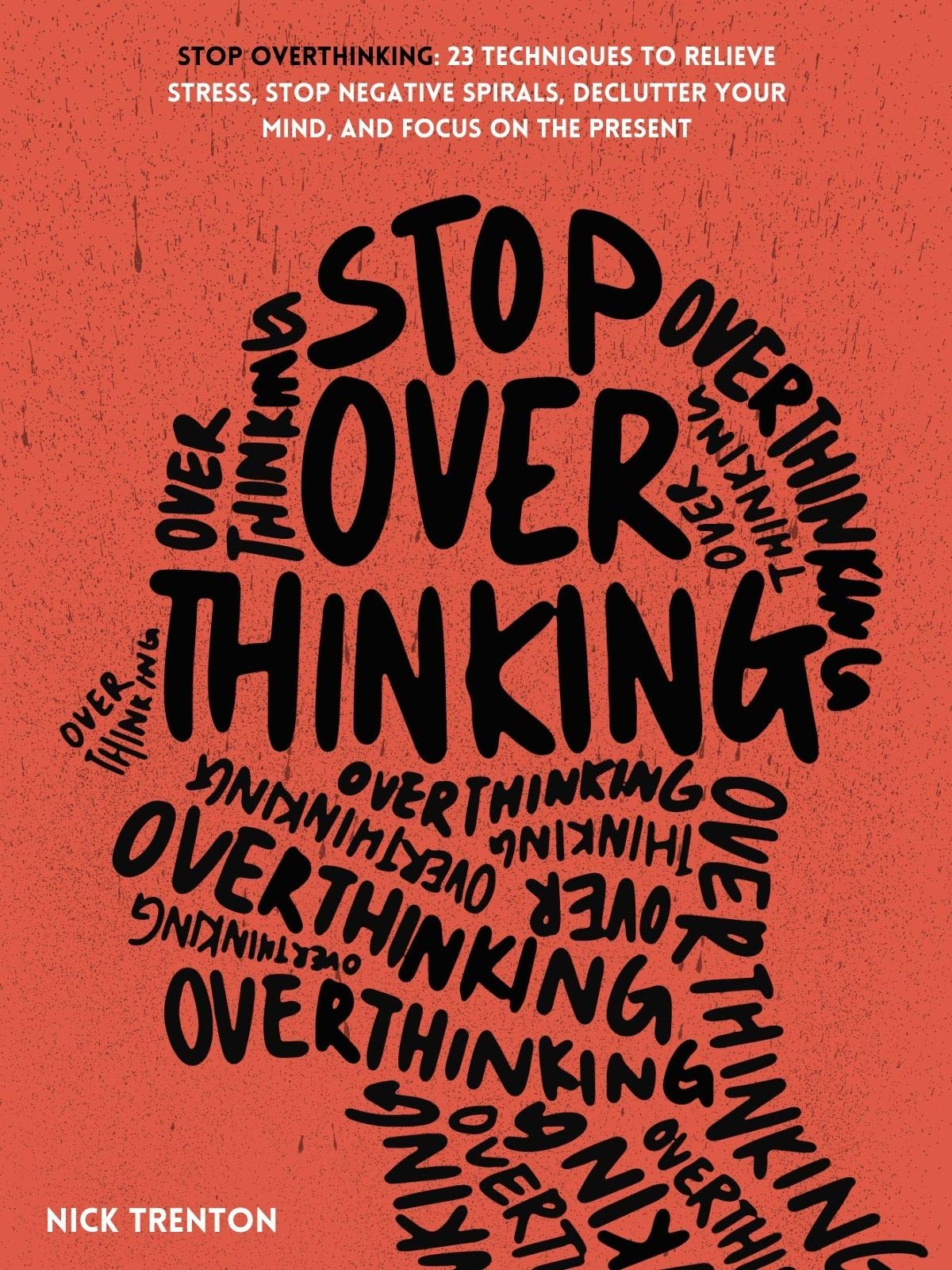
"Stop Overthinking" offers a practical toolkit for managing the incessant mental chatter that often leads to anxiety and indecision. It presents 23 actionable strategies designed to interrupt negative thought patterns, clear mental clutter, and reorient one's focus towards the present moment, ultimately fostering a calmer and more productive mindset.
This book resonates with "Don't Give the Enemy a Seat at Your Table" because both address the critical internal struggle against intrusive or self-sabotaging thoughts. While Giglio approaches this from a spiritual perspective of confronting a metaphorical "enemy," Trenton provides secular, psychological techniques for winning the battle within one's own mind, effectively refusing a "seat" to detrimental overthinking.
The appeal lies in its immediate applicability and tangible benefits. Anyone struggling with anxiety, rumination, or persistent negative thoughts will appreciate its direct, technique-driven approach. The book empowers individuals to take control of their mental landscape, leading to improved well-being, enhanced focus, and a greater sense of inner peace.
Stop Overthinking: 23 Techniques to Relieve Stress, Stop Negative Spirals, Declutter Your Mind, and Focus on the Present
"Stop Overthinking" offers a practical toolkit for managing the incessant mental chatter that often leads to anxiety and indecision. It presents 23 actionable strategies designed to interrupt negative thought patterns, clear mental clutter, and reorient one's focus towards the present moment, ultimately fostering a calmer and more productive mindset.
This book resonates with "Don't Give the Enemy a Seat at Your Table" because both address the critical internal struggle against intrusive or self-sabotaging thoughts. While Giglio approaches this from a spiritual perspective of confronting a metaphorical "enemy," Trenton provides secular, psychological techniques for winning the battle within one's own mind, effectively refusing a "seat" to detrimental overthinking.
The appeal lies in its immediate applicability and tangible benefits. Anyone struggling with anxiety, rumination, or persistent negative thoughts will appreciate its direct, technique-driven approach. The book empowers individuals to take control of their mental landscape, leading to improved well-being, enhanced focus, and a greater sense of inner peace.
Become a Better You: 7 Keys to Improving Your Life Every Day

"Become a Better You" by Joel Osteen offers practical guidance rooted in Christian principles to help individuals cultivate personal growth and achieve a more fulfilling life. Through seven key areas, Osteen encourages readers to adopt a positive mindset, overcome self-doubt, and harness their inner potential to create significant life improvements. It focuses on tangible steps for daily betterment and spiritual alignment.
This book shares thematic commonalities with "Don't Give the Enemy a Seat at Your Table" due to its emphasis on mental fortitude and personal empowerment. Both authors address the internal battles individuals face, whether it be negative thoughts, self-limiting beliefs, or external pressures. They both advocate for a proactive approach to shaping one's inner world, understanding that one's mindset directly impacts their life trajectory and ability to achieve a divinely inspired purpose.
The appeal of "Become a Better You" lies in its accessible, encouraging tone and actionable advice. It provides a hopeful framework for navigating life's challenges, empowering individuals to take control of their thoughts and actions. Those seeking practical tools for self-improvement and spiritual upliftment will discover an optimistic pathway to a more purposeful and positive existence, finding validation and motivation for personal transformation.
Become a Better You: 7 Keys to Improving Your Life Every Day
"Become a Better You" by Joel Osteen offers practical guidance rooted in Christian principles to help individuals cultivate personal growth and achieve a more fulfilling life. Through seven key areas, Osteen encourages readers to adopt a positive mindset, overcome self-doubt, and harness their inner potential to create significant life improvements. It focuses on tangible steps for daily betterment and spiritual alignment.
This book shares thematic commonalities with "Don't Give the Enemy a Seat at Your Table" due to its emphasis on mental fortitude and personal empowerment. Both authors address the internal battles individuals face, whether it be negative thoughts, self-limiting beliefs, or external pressures. They both advocate for a proactive approach to shaping one's inner world, understanding that one's mindset directly impacts their life trajectory and ability to achieve a divinely inspired purpose.
The appeal of "Become a Better You" lies in its accessible, encouraging tone and actionable advice. It provides a hopeful framework for navigating life's challenges, empowering individuals to take control of their thoughts and actions. Those seeking practical tools for self-improvement and spiritual upliftment will discover an optimistic pathway to a more purposeful and positive existence, finding validation and motivation for personal transformation.
More Books to Explore
Discover more titles that expand on these ideas and themes.
Get Out of Your Head: Stopping the Spiral of Toxic Thoughts
Power Thoughts: 12 Strategies to Win the Battle of the Mind
Your Story Has a Villain: Identify Spiritual Warfare and Learn How to Defeat the Enemy
Living Fearless: Exchanging the Lies of the World for the Liberating Truth of God
In a Pit with a Lion on a Snowy Day: How to Survive and Thrive When Opportunity Roars
13 Things Mentally Strong People Don't Do: Take Back Your Power, Embrace Change, Face Your Fears, and Train Your Brain for Happiness and Success