10 Books Similar to "Deathbound Subjectivity"
by Alphonso Lingis
Awareness: The Perils and Opportunities of Reality

"Awareness: The Perils and Opportunities of Reality" by Anthony de Mello delves into the nature of human consciousness, exploring how our ingrained beliefs and societal conditioning often obscure true perception. It's a pragmatic guide to observing one's own mind, dismantling illusions, and ultimately achieving a state of profound self-acceptance and freedom from mental traps. De Mello uses parables and direct inquiry to challenge conventional thinking about happiness, fear, and desire, encouraging a radical shift in perspective.
This book shares a profound kinship with Lingis's "Deathbound Subjectivity" through their shared exploration of the limits and possibilities of individual experience. Both authors grapple with the uncomfortable truths of human existence, urging a confrontational engagement with reality rather than escapism. "Awareness" resonates with "Deathbound Subjectivity" in its insistence that confronting existential conditions—be it the imminence of death or the pervasive illusions of the self—is requisite for authentic living and profound understanding.
"Awareness" offers a compelling invitation to introspection and a pathway to a more liberated existence. Its direct, accessible language and practical exercises equip individuals with tools to navigate the complexities of their inner world, fostering a deeper connection to the present moment and a more authentic confrontation with life's challenges. It provides enduring insights for anyone seeking genuine self-understanding and a more conscious engagement with the world.
Awareness: The Perils and Opportunities of Reality
"Awareness: The Perils and Opportunities of Reality" by Anthony de Mello delves into the nature of human consciousness, exploring how our ingrained beliefs and societal conditioning often obscure true perception. It's a pragmatic guide to observing one's own mind, dismantling illusions, and ultimately achieving a state of profound self-acceptance and freedom from mental traps. De Mello uses parables and direct inquiry to challenge conventional thinking about happiness, fear, and desire, encouraging a radical shift in perspective.
This book shares a profound kinship with Lingis's "Deathbound Subjectivity" through their shared exploration of the limits and possibilities of individual experience. Both authors grapple with the uncomfortable truths of human existence, urging a confrontational engagement with reality rather than escapism. "Awareness" resonates with "Deathbound Subjectivity" in its insistence that confronting existential conditions—be it the imminence of death or the pervasive illusions of the self—is requisite for authentic living and profound understanding.
"Awareness" offers a compelling invitation to introspection and a pathway to a more liberated existence. Its direct, accessible language and practical exercises equip individuals with tools to navigate the complexities of their inner world, fostering a deeper connection to the present moment and a more authentic confrontation with life's challenges. It provides enduring insights for anyone seeking genuine self-understanding and a more conscious engagement with the world.
Death and Life of Philosophy
"Death and Life of Philosophy" delves into the human struggle with mortality, not as a simple end, but as a dynamic force shaping our understanding of meaning, value, and existence itself. It explores how philosophical thought, across various traditions, constantly grapples with the finitude of life, seeking to establish enduring truths or transcendent perspectives in the face of inevitable decay. Greene doesn’t merely chronicle philosophical responses to death; he examines how death fundamentally defines philosophy's pursuit.
This work resonates with Alphonso Lingis’s "Deathbound Subjectivity" by placing the experience of mortality at the core of human inquiry. Both books argue that subjectivity—our individual understanding and experience of the world—is intrinsically tied to our awareness of death. They move beyond seeing death as a biological fact, instead presenting it as a constitutive element of consciousness and the very engine driving our search for meaning and purpose.
Someone interested in the fundamental questions of human existence and the deep roots of philosophical thought will find this book profoundly engaging. It offers a sophisticated yet accessible exploration of how the specter of death has always been, and continues to be, the muse for philosophical contemplation, revealing a richer understanding of both life and the intellectual traditions that seek to illuminate it.
Death and Life of Philosophy
"Death and Life of Philosophy" delves into the human struggle with mortality, not as a simple end, but as a dynamic force shaping our understanding of meaning, value, and existence itself. It explores how philosophical thought, across various traditions, constantly grapples with the finitude of life, seeking to establish enduring truths or transcendent perspectives in the face of inevitable decay. Greene doesn’t merely chronicle philosophical responses to death; he examines how death fundamentally defines philosophy's pursuit.
This work resonates with Alphonso Lingis’s "Deathbound Subjectivity" by placing the experience of mortality at the core of human inquiry. Both books argue that subjectivity—our individual understanding and experience of the world—is intrinsically tied to our awareness of death. They move beyond seeing death as a biological fact, instead presenting it as a constitutive element of consciousness and the very engine driving our search for meaning and purpose.
Someone interested in the fundamental questions of human existence and the deep roots of philosophical thought will find this book profoundly engaging. It offers a sophisticated yet accessible exploration of how the specter of death has always been, and continues to be, the muse for philosophical contemplation, revealing a richer understanding of both life and the intellectual traditions that seek to illuminate it.
Dialogue with Death: A Journey Through Consciousness
"Dialogue with Death: A Journey Through Consciousness" reimagines the ancient Katha Upanishad, presenting Nachiketa's mythical journey to the land of Death (Yama) to uncover the ultimate truths about life, mortality, and the self. Easwaran frames this spiritual quest as a profound exploration of conscious living and dying, offering insights into transcending fear of death through self-discovery and an understanding of our deeper nature.
The similarity to "Deathbound Subjectivity" lies in their shared engagement with death not merely as an end, but as a catalytic force for profound philosophical and existential inquiry. Both works delve into how mortality shapes human experience and consciousness. While Lingis dissects the inherent finitude that defines subjectivity, Easwaran uses a narrative framework to demonstrate how confronting death can illuminate the essence of consciousness and purpose. They both posit death as central to understanding life.
This book will appeal to those seeking a rich blend of spiritual wisdom, philosophical depth, and practical guidance for navigating life's ultimate challenge. Its accessible narrative style, coupled with profound reflections on enduring human questions, offers a compelling framework for understanding the self and achieving inner peace in the face of impermanence. It provides a unique lens through which to contemplate meaning and existence.
Dialogue with Death: A Journey Through Consciousness
"Dialogue with Death: A Journey Through Consciousness" reimagines the ancient Katha Upanishad, presenting Nachiketa's mythical journey to the land of Death (Yama) to uncover the ultimate truths about life, mortality, and the self. Easwaran frames this spiritual quest as a profound exploration of conscious living and dying, offering insights into transcending fear of death through self-discovery and an understanding of our deeper nature.
The similarity to "Deathbound Subjectivity" lies in their shared engagement with death not merely as an end, but as a catalytic force for profound philosophical and existential inquiry. Both works delve into how mortality shapes human experience and consciousness. While Lingis dissects the inherent finitude that defines subjectivity, Easwaran uses a narrative framework to demonstrate how confronting death can illuminate the essence of consciousness and purpose. They both posit death as central to understanding life.
This book will appeal to those seeking a rich blend of spiritual wisdom, philosophical depth, and practical guidance for navigating life's ultimate challenge. Its accessible narrative style, coupled with profound reflections on enduring human questions, offers a compelling framework for understanding the self and achieving inner peace in the face of impermanence. It provides a unique lens through which to contemplate meaning and existence.
The Birth and Death of Meaning: An Interdisciplinary Perspective on the Problem of Man

Ernest Becker's "The Birth and Death of Meaning" explores humanity's fundamental existential dilemma: the drive for meaning and significance in a world inherently devoid of
it, ultimately culminating in death. Drawing from psychology, sociology, and anthropology, Becker argues that our symbolic systems, beliefs, and cultural constructs are elaborate defenses against the terror of our own finitude and insignificance. He dissects how we create meaning to escape the awareness of our mortality, and how the failure of these meaning systems leads to neurosis and existential despair.
Both books grapple with the human condition’s inescapable confrontation with death and meaning. Lingis, in "Deathbound Subjectivity," examines how our awareness of death shapes our subjective experience and ethical responsibilities towards others. Similarly, Becker posits that the "problem of man" is precisely this awareness of mortality and our subsequent efforts to transcend it through meaning. Both authors delve into the often-unacknowledged influence of death on our conscious and unconscious motivations, cultural formations, and individual psyches.
This book offers a profound and challenging exploration of what it means to be human. It provides a comprehensive framework for understanding the psychological underpinnings of individual and societal behavior, revealing the existential anxieties that drive our quest for purpose. Its interdisciplinary approach makes it a compelling resource for anyone seeking deeper insights into philosophy, psychology, cultural studies, or simply the fundamental questions of life and death.
The Birth and Death of Meaning: An Interdisciplinary Perspective on the Problem of Man
Ernest Becker's "The Birth and Death of Meaning" explores humanity's fundamental existential dilemma: the drive for meaning and significance in a world inherently devoid of
it, ultimately culminating in death. Drawing from psychology, sociology, and anthropology, Becker argues that our symbolic systems, beliefs, and cultural constructs are elaborate defenses against the terror of our own finitude and insignificance. He dissects how we create meaning to escape the awareness of our mortality, and how the failure of these meaning systems leads to neurosis and existential despair.
Both books grapple with the human condition’s inescapable confrontation with death and meaning. Lingis, in "Deathbound Subjectivity," examines how our awareness of death shapes our subjective experience and ethical responsibilities towards others. Similarly, Becker posits that the "problem of man" is precisely this awareness of mortality and our subsequent efforts to transcend it through meaning. Both authors delve into the often-unacknowledged influence of death on our conscious and unconscious motivations, cultural formations, and individual psyches.
This book offers a profound and challenging exploration of what it means to be human. It provides a comprehensive framework for understanding the psychological underpinnings of individual and societal behavior, revealing the existential anxieties that drive our quest for purpose. Its interdisciplinary approach makes it a compelling resource for anyone seeking deeper insights into philosophy, psychology, cultural studies, or simply the fundamental questions of life and death.
Still Life with Oysters and Lemon: On Objects and Intimacy

Mark Doty's "Still Life with Oysters and Lemon" explores our intimate relationships with inanimate objects, examining how they hold memory, convey meaning, and reveal aspects of our own identities and experiences. Through personal reflection and engagement with art and history, Doty illuminates the profound emotional weight and symbolic power we imbue in the things around us, from treasured possessions to everyday ephemera.
This book resonates with "Deathbound Subjectivity" by Alphonso Lingis in its profound engagement with the nature of existence and meaning beyond conventional human interaction. Both works delve into how subjective experience is shaped and revealed through our encounters with the non-human realm, whether it's the stark reality of our mortality in Lingis or the resonant presence of objects in Doty. They each probe the boundaries of self and other, illuminating the unexpected pathways through which we confront our own being.
The appeal of this book lies in its ability to transform the mundane into the meaningful. It offers a fresh perspective on the objects that populate our lives, encouraging a deeper appreciation for their silent narratives and the intricate ways they reflect our inner worlds. This exploration of intimacy with the material world enriches understanding of human connection, personal histories, and the broader tapestry of our shared existence.
Still Life with Oysters and Lemon: On Objects and Intimacy
Mark Doty's "Still Life with Oysters and Lemon" explores our intimate relationships with inanimate objects, examining how they hold memory, convey meaning, and reveal aspects of our own identities and experiences. Through personal reflection and engagement with art and history, Doty illuminates the profound emotional weight and symbolic power we imbue in the things around us, from treasured possessions to everyday ephemera.
This book resonates with "Deathbound Subjectivity" by Alphonso Lingis in its profound engagement with the nature of existence and meaning beyond conventional human interaction. Both works delve into how subjective experience is shaped and revealed through our encounters with the non-human realm, whether it's the stark reality of our mortality in Lingis or the resonant presence of objects in Doty. They each probe the boundaries of self and other, illuminating the unexpected pathways through which we confront our own being.
The appeal of this book lies in its ability to transform the mundane into the meaningful. It offers a fresh perspective on the objects that populate our lives, encouraging a deeper appreciation for their silent narratives and the intricate ways they reflect our inner worlds. This exploration of intimacy with the material world enriches understanding of human connection, personal histories, and the broader tapestry of our shared existence.
Metaphysical Horror
"Metaphysical Horror" by Leszek Kołakowski explores humanity's fundamental unease when confronting the abyss of existence – the absence of inherent meaning, the arbitrary nature of being, and the ultimate indifference of the cosmos. It delves into the philosophical discomfort arising from the realization that our constructed realities and comforting narratives may be nothing more than fragile defenses against an overwhelming, inexplicable void.
This book resonates with "Deathbound Subjectivity" by Alphonso Lingis through their shared exploration of existential vulnerability and the limits of human understanding. Both authors grapple with the uncomfortable truths revealed when confronting finitude and the world's resistance to our attempts to impose definitive sense. They uncover how our experience of being is fundamentally shaped by our confrontation with that which lies beyond our grasp and control.
Those drawn to profound philosophical inquiry will appreciate Kołakowski's direct and unflinching engagement with humanity's deepest anxieties. It offers a sophisticated articulation of existential dread, providing a framework for considering our place in an indifferent universe and prompting reflection on the sources of meaning we invent.
Metaphysical Horror
"Metaphysical Horror" by Leszek Kołakowski explores humanity's fundamental unease when confronting the abyss of existence – the absence of inherent meaning, the arbitrary nature of being, and the ultimate indifference of the cosmos. It delves into the philosophical discomfort arising from the realization that our constructed realities and comforting narratives may be nothing more than fragile defenses against an overwhelming, inexplicable void.
This book resonates with "Deathbound Subjectivity" by Alphonso Lingis through their shared exploration of existential vulnerability and the limits of human understanding. Both authors grapple with the uncomfortable truths revealed when confronting finitude and the world's resistance to our attempts to impose definitive sense. They uncover how our experience of being is fundamentally shaped by our confrontation with that which lies beyond our grasp and control.
Those drawn to profound philosophical inquiry will appreciate Kołakowski's direct and unflinching engagement with humanity's deepest anxieties. It offers a sophisticated articulation of existential dread, providing a framework for considering our place in an indifferent universe and prompting reflection on the sources of meaning we invent.
For the Time Being: Essays
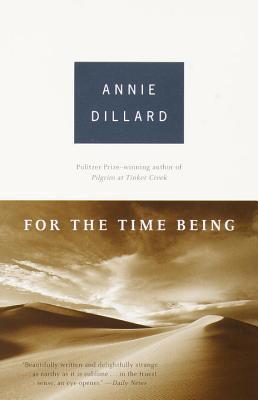
Annie Dillard's "For the Time Being: Essays" is a profound exploration of geology, cosmology, biology, and theology, interwoven with personal reflection. It delves into the vastness of time and space, examining the ephemeral nature of human existence against the backdrop of an indifferent universe. Dillard grapples with questions of meaning, transience, and the miraculous in the mundane, inviting contemplation on our place within the grand scheme of creation and decay.
The similarity to Alphonso Lingis's "Deathbound Subjectivity" lies in their shared philosophical underpinning: both works confront the inescapable reality of finitude and mortality. While Lingis dissects the inherent death-bound nature of subjectivity through phenomenology, Dillard approaches this theme through a more lyrical, essayistic lens, finding both terror and beauty in impermanence. Both authors challenge conventional notions of existence by centering the inevitable end, albeit through different stylistic and methodological avenues.
This book will appeal to those who appreciate thoughtful, intellectually stimulating nonfiction. Its rich prose and expansive scope offer a deeply contemplative experience, prompting readers to reflect on their own mortality, the natural world, and the elusive quest for meaning. It provides a unique blend of scientific inquiry and spiritual yearning, delivering insights that resonate long after the final page is turned, offering intellectual and emotional sustenance.
For the Time Being: Essays
Annie Dillard's "For the Time Being: Essays" is a profound exploration of geology, cosmology, biology, and theology, interwoven with personal reflection. It delves into the vastness of time and space, examining the ephemeral nature of human existence against the backdrop of an indifferent universe. Dillard grapples with questions of meaning, transience, and the miraculous in the mundane, inviting contemplation on our place within the grand scheme of creation and decay.
The similarity to Alphonso Lingis's "Deathbound Subjectivity" lies in their shared philosophical underpinning: both works confront the inescapable reality of finitude and mortality. While Lingis dissects the inherent death-bound nature of subjectivity through phenomenology, Dillard approaches this theme through a more lyrical, essayistic lens, finding both terror and beauty in impermanence. Both authors challenge conventional notions of existence by centering the inevitable end, albeit through different stylistic and methodological avenues.
This book will appeal to those who appreciate thoughtful, intellectually stimulating nonfiction. Its rich prose and expansive scope offer a deeply contemplative experience, prompting readers to reflect on their own mortality, the natural world, and the elusive quest for meaning. It provides a unique blend of scientific inquiry and spiritual yearning, delivering insights that resonate long after the final page is turned, offering intellectual and emotional sustenance.
Transfigurations

Alex Grey's "Transfigurations" is a visual and philosophical exploration of the human body and spirit, depicted through a series of intricate, multi-layered paintings. Grey’s artwork often portrays the anatomical, energetic, and spiritual dimensions of existence simultaneously, revealing internal systems like skeletal structures and chakras alongside the external form. It's a journey into the unseen aspects of being, suggesting a deeper, interconnected reality underlying our physical presence.
This work resonates with "Deathbound Subjectivity" by Alphonso Lingis in their shared pursuit of unpacking the layers of self and perception that lie beyond conventional experience. Both authors delve into the visceral and transcendental aspects of human existence, with Grey doing so through luminous visual art and Lingis through profound philosophical prose. They both challenge our comfortable notions of the body, consciousness, and the boundaries of life, inviting us to contemplate what it means to be a sentient, finite being.
Its profound visual commentary on life, death, and spiritual awakening holds considerable appeal. The book offers a unique lens for contemplating existence, consciousness, and the inherent sacredness of the human form. It provides intellectual and aesthetic stimulation, encouraging introspection and a broader understanding of human potential and vulnerability.
Transfigurations
Alex Grey's "Transfigurations" is a visual and philosophical exploration of the human body and spirit, depicted through a series of intricate, multi-layered paintings. Grey’s artwork often portrays the anatomical, energetic, and spiritual dimensions of existence simultaneously, revealing internal systems like skeletal structures and chakras alongside the external form. It's a journey into the unseen aspects of being, suggesting a deeper, interconnected reality underlying our physical presence.
This work resonates with "Deathbound Subjectivity" by Alphonso Lingis in their shared pursuit of unpacking the layers of self and perception that lie beyond conventional experience. Both authors delve into the visceral and transcendental aspects of human existence, with Grey doing so through luminous visual art and Lingis through profound philosophical prose. They both challenge our comfortable notions of the body, consciousness, and the boundaries of life, inviting us to contemplate what it means to be a sentient, finite being.
Its profound visual commentary on life, death, and spiritual awakening holds considerable appeal. The book offers a unique lens for contemplating existence, consciousness, and the inherent sacredness of the human form. It provides intellectual and aesthetic stimulation, encouraging introspection and a broader understanding of human potential and vulnerability.
The Philosopher and the Wolf

Mark Rowlands’ "The Philosopher and the Wolf" is a unique philosophical memoir detailing his 11-year life with a wolf named Brenin. It explores profound philosophical questions about identity, otherness, morality, and the fundamental nature of being, all filtered through the lens of their co-existence. Rowlands uses his experiences with Brenin to challenge anthropocentric views and delve into what it truly means to be a conscious, sentient creature.
This book resonates with "Deathbound Subjectivity" by Alphonso Lingis through its exploration of radical alterity and the breakdown of established subjective boundaries. Both works grapple with how encounters with the profoundly non-human — whether the death-bound nature of existence in Lingis or the raw, untamed presence of the wolf in Rowlands — force a re-evaluation of self and worldview, revealing the limits and contingency of human reason and control. They both underscore the ethical imperative inherent in confronting an irreducible "other."
The book's fusion of deeply personal narrative with rigorous philosophical inquiry will appeal directly to those who appreciate intellectual profundidad woven into relatable, lived experience. Its compelling argument for re-evaluating our relationship with the natural world and reconceptualizing consciousness offers significant intellectual value, stimulating new perspectives on ethics, psychology, and our place within the broader tapestry of life.
The Philosopher and the Wolf
Mark Rowlands’ "The Philosopher and the Wolf" is a unique philosophical memoir detailing his 11-year life with a wolf named Brenin. It explores profound philosophical questions about identity, otherness, morality, and the fundamental nature of being, all filtered through the lens of their co-existence. Rowlands uses his experiences with Brenin to challenge anthropocentric views and delve into what it truly means to be a conscious, sentient creature.
This book resonates with "Deathbound Subjectivity" by Alphonso Lingis through its exploration of radical alterity and the breakdown of established subjective boundaries. Both works grapple with how encounters with the profoundly non-human — whether the death-bound nature of existence in Lingis or the raw, untamed presence of the wolf in Rowlands — force a re-evaluation of self and worldview, revealing the limits and contingency of human reason and control. They both underscore the ethical imperative inherent in confronting an irreducible "other."
The book's fusion of deeply personal narrative with rigorous philosophical inquiry will appeal directly to those who appreciate intellectual profundidad woven into relatable, lived experience. Its compelling argument for re-evaluating our relationship with the natural world and reconceptualizing consciousness offers significant intellectual value, stimulating new perspectives on ethics, psychology, and our place within the broader tapestry of life.
Nothing to Be Frightened of

Julian Barnes's "Nothing to Be Frightened of" is a witty, introspective memoir that tackles the inevitability of death from a myriad of personal and philosophical angles. It’s not a narrative in the traditional sense, but a series of reflections, anecdotes, and contemplations drawn from Barnes’s own life, the lives of his family, and various historical figures. He grapples with fear, denial, and acceptance, exploring how we talk about death—or avoid talking about it—and the legacies we leave behind. The book is marked by its intellectual curiosity, humor, and profound honesty.
The book shares thematic common ground with Alphonso Lingis's "Deathbound Subjectivity" in its unflinching examination of mortality as a foundational aspect of human experience. Both works delve into the subjective encounter with finitude, arguing, in different registers, that our awareness of death shapes our understanding of life, selfhood, and our relationship to others. While Lingis offers a more abstract, phenomenological exploration, Barnes grounds these existential questions in concrete personal experience and cultural observations, making the abstract relatable.
This work appeals to those contemplating the fundamental questions of existence and the nature of mortality. It offers a companion in thought for anyone facing their own anxieties about death, providing both intellectual stimulation and a sense of shared human experience. Its blend of memoir, philosophy, and cultural criticism makes it a rich and thought-provoking read, offering comfort not through easy answers, but through profound kinship in the face of life's ultimate certainty.
Nothing to Be Frightened of
Julian Barnes's "Nothing to Be Frightened of" is a witty, introspective memoir that tackles the inevitability of death from a myriad of personal and philosophical angles. It’s not a narrative in the traditional sense, but a series of reflections, anecdotes, and contemplations drawn from Barnes’s own life, the lives of his family, and various historical figures. He grapples with fear, denial, and acceptance, exploring how we talk about death—or avoid talking about it—and the legacies we leave behind. The book is marked by its intellectual curiosity, humor, and profound honesty.
The book shares thematic common ground with Alphonso Lingis's "Deathbound Subjectivity" in its unflinching examination of mortality as a foundational aspect of human experience. Both works delve into the subjective encounter with finitude, arguing, in different registers, that our awareness of death shapes our understanding of life, selfhood, and our relationship to others. While Lingis offers a more abstract, phenomenological exploration, Barnes grounds these existential questions in concrete personal experience and cultural observations, making the abstract relatable.
This work appeals to those contemplating the fundamental questions of existence and the nature of mortality. It offers a companion in thought for anyone facing their own anxieties about death, providing both intellectual stimulation and a sense of shared human experience. Its blend of memoir, philosophy, and cultural criticism makes it a rich and thought-provoking read, offering comfort not through easy answers, but through profound kinship in the face of life's ultimate certainty.
More Books to Explore
Discover more titles that expand on these ideas and themes.
Awareness: The Perils and Opportunities of Reality
Death and Life of Philosophy
Dialogue with Death: A Journey Through Consciousness
The Birth and Death of Meaning: An Interdisciplinary Perspective on the Problem of Man
Still Life with Oysters and Lemon: On Objects and Intimacy
Metaphysical Horror