10 Books Similar to "Dead End"
by R.L. Stine

Welcome to Dead House
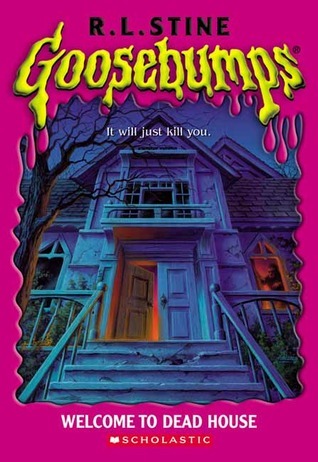
"Welcome to Dead House" introduces the Benson family, who relocate to a new, unsettling town called Dark Falls following an inheritance. The house they move into is dilapidated and sinister, and their new neighbors are strangely pale, secretive, and averse to sunlight. The children, Amanda and Josh, soon uncover that Dark Falls harbors a dark secret involving the previous residents of their house and the very nature of their new neighbors.
This book shares thematic DNA with "Dead End" through its exploration of an isolated, menacing location, often a new home, that harbors a supernatural secret. Both narratives feature a family, particularly the younger protagonists, discovering that their new environment is not what it seems, and that the local inhabitants are bound by a sinister, often vampiric or undead, curse or condition. The suspense builds through atmospheric dread and the slow unveiling of a chilling truth.
The appeal lies in its classic R.L. Stine formula expertly applied to a compelling, accessible horror narrative. It offers a well-paced mystery with genuinely creepy elements suitable for its target audience. The book provides a valuable introduction to the horror genre, demonstrating how atmosphere and character reactions, rather than explicit gore, can generate significant suspense and fear, making it a foundational and influential text for young readers embarking on genre exploration.
Welcome to Dead House
"Welcome to Dead House" introduces the Benson family, who relocate to a new, unsettling town called Dark Falls following an inheritance. The house they move into is dilapidated and sinister, and their new neighbors are strangely pale, secretive, and averse to sunlight. The children, Amanda and Josh, soon uncover that Dark Falls harbors a dark secret involving the previous residents of their house and the very nature of their new neighbors.
This book shares thematic DNA with "Dead End" through its exploration of an isolated, menacing location, often a new home, that harbors a supernatural secret. Both narratives feature a family, particularly the younger protagonists, discovering that their new environment is not what it seems, and that the local inhabitants are bound by a sinister, often vampiric or undead, curse or condition. The suspense builds through atmospheric dread and the slow unveiling of a chilling truth.
The appeal lies in its classic R.L. Stine formula expertly applied to a compelling, accessible horror narrative. It offers a well-paced mystery with genuinely creepy elements suitable for its target audience. The book provides a valuable introduction to the horror genre, demonstrating how atmosphere and character reactions, rather than explicit gore, can generate significant suspense and fear, making it a foundational and influential text for young readers embarking on genre exploration.
One Night in Doom House

"One Night in Doom House" centers on a group of teenagers embarking on an overnight scavenger hunt in a supposedly haunted mansion, Doom House. What begins as a competitive game quickly devolves into a terrifying ordeal as unsettling events suggest the house truly harbors malevolent forces, blurring the lines between elaborate pranks and genuine supernatural threats. The narrative builds suspense through its isolated setting and escalating horrors as the teens struggle to survive the night.
The similarity to "Dead End" lies primarily in the shared R.L. Stine formula of placing a group of young protagonists in a dangerous, isolated environment where they face an ominous, potentially deadly challenge. Both stories leverage suspense and a sense of impending doom, often with an element of the unknown or the supernatural, to drive the plot. They also share the common theme of teenagers confronting their fears and the consequences of reckless decisions in a contained, high-stakes scenario.
This book will appeal to those who appreciate a classic young-adult horror narrative that delivers sustained tension and a sense of claustrophobia. Its value lies in its accessible approach to suspense and its exploration of how characters react under extreme pressure, making it a compelling read for anyone seeking a thrilling, self-contained story with a clear conflict and resolution.
One Night in Doom House
"One Night in Doom House" centers on a group of teenagers embarking on an overnight scavenger hunt in a supposedly haunted mansion, Doom House. What begins as a competitive game quickly devolves into a terrifying ordeal as unsettling events suggest the house truly harbors malevolent forces, blurring the lines between elaborate pranks and genuine supernatural threats. The narrative builds suspense through its isolated setting and escalating horrors as the teens struggle to survive the night.
The similarity to "Dead End" lies primarily in the shared R.L. Stine formula of placing a group of young protagonists in a dangerous, isolated environment where they face an ominous, potentially deadly challenge. Both stories leverage suspense and a sense of impending doom, often with an element of the unknown or the supernatural, to drive the plot. They also share the common theme of teenagers confronting their fears and the consequences of reckless decisions in a contained, high-stakes scenario.
This book will appeal to those who appreciate a classic young-adult horror narrative that delivers sustained tension and a sense of claustrophobia. Its value lies in its accessible approach to suspense and its exploration of how characters react under extreme pressure, making it a compelling read for anyone seeking a thrilling, self-contained story with a clear conflict and resolution.
A Shocker on Shock Street

"A Shocker on Shock Street" follows two R.L. Stine protagonists, Erin and Marty, as they visit a horror movie theme park based on their favorite film series, "Shock Street." What begins as an exciting, immersive experience quickly devolves into a terrifying ordeal when the park's animatronic monsters and special effects become frighteningly real, trapping them in a life-or-death struggle within the park's meticulously crafted illusions.
This book shares significant thematic and structural similarities with "Dead End." Both narratives immerse their young characters in seemingly playful or ordinary settings that gradually reveal themselves to be deeply sinister and inescapable traps. Both leverage the classic horror trope of the 'false safe space' and the relentless pursuit of protagonists by an unseen or overwhelming threat, emphasizing psychological suspense over overt gore.
This appeal stems from its effective blend of suspense, twists, and a surprisingly claustrophobic atmosphere for a young adult novel. The narrative’s strength lies in its ability to disorient characters and readers alike, questioning what is real and what is part of the theme park's elaborate design. It offers an engaging exploration of fear and illusion, providing young audiences with a thrilling, thought-provoking journey into the heart of a simulated nightmare that feels all too genuine.
A Shocker on Shock Street
"A Shocker on Shock Street" follows two R.L. Stine protagonists, Erin and Marty, as they visit a horror movie theme park based on their favorite film series, "Shock Street." What begins as an exciting, immersive experience quickly devolves into a terrifying ordeal when the park's animatronic monsters and special effects become frighteningly real, trapping them in a life-or-death struggle within the park's meticulously crafted illusions.
This book shares significant thematic and structural similarities with "Dead End." Both narratives immerse their young characters in seemingly playful or ordinary settings that gradually reveal themselves to be deeply sinister and inescapable traps. Both leverage the classic horror trope of the 'false safe space' and the relentless pursuit of protagonists by an unseen or overwhelming threat, emphasizing psychological suspense over overt gore.
This appeal stems from its effective blend of suspense, twists, and a surprisingly claustrophobic atmosphere for a young adult novel. The narrative’s strength lies in its ability to disorient characters and readers alike, questioning what is real and what is part of the theme park's elaborate design. It offers an engaging exploration of fear and illusion, providing young audiences with a thrilling, thought-provoking journey into the heart of a simulated nightmare that feels all too genuine.
The Beast from the East

"The Beast from the East" centers on a group of teens trapped in a strange, time-distorting jungle known as the "game preserve." They discover a monstrous, predatory entity that hunts them relentlessly. Survival hinges on understanding the bizarre rules of this environment and outsmarting the unseen force before they become its next victims.
Both novels share core elements endemic to Stine's style: a group of young protagonists facing a singular, often terrifying, antagonist in an isolated or unfamiliar setting. The central conflict in each arises from an inescapable, mysterious threat, forcing characters to confront their fears and rely on their wits. The suspense is built through ambiguous dangers and the protagonists' dawning realization of their predicament.
This shared formula provides a valuable experience for those who appreciate compelling, high-stakes narratives aimed at a younger demographic. The direct and fast-paced plot offers quick engagement and a satisfying thrill. It fosters a sense of mystery and adrenaline, making it an engaging and accessible entry point for genre fiction that doesn't shy away from suspense.
The Beast from the East
"The Beast from the East" centers on a group of teens trapped in a strange, time-distorting jungle known as the "game preserve." They discover a monstrous, predatory entity that hunts them relentlessly. Survival hinges on understanding the bizarre rules of this environment and outsmarting the unseen force before they become its next victims.
Both novels share core elements endemic to Stine's style: a group of young protagonists facing a singular, often terrifying, antagonist in an isolated or unfamiliar setting. The central conflict in each arises from an inescapable, mysterious threat, forcing characters to confront their fears and rely on their wits. The suspense is built through ambiguous dangers and the protagonists' dawning realization of their predicament.
This shared formula provides a valuable experience for those who appreciate compelling, high-stakes narratives aimed at a younger demographic. The direct and fast-paced plot offers quick engagement and a satisfying thrill. It fosters a sense of mystery and adrenaline, making it an engaging and accessible entry point for genre fiction that doesn't shy away from suspense.
I Live in Your Basement!

"I Live in Your Basement!" centers on Marco, a teenager whose burgeoning friendship with a quirky new neighbor, Lewis, takes a sinister turn when Lewis claims to live beneath Marco's own house. As Lewis’s actions become increasingly obsessive and disturbing, Marco finds himself trapped in a psychological game where the line between reality and hallucination blurs, forcing him to confront uncomfortable truths about his own perceptions and the nature of fear itself. This narrative delves into themes of isolation, suspicion, and the unsettling idea of a pervasive, unseen threat.
The similarity to "Dead End" lies in their shared exploration of escalating psychological horror rooted in an unexpected, mundane location. Both novels capitalize on the unsettling idea of a threat emerging from within a seemingly safe or familiar environment – a basement in one, a dead-end street in the other. They employ a similar narrative structure, starting with an ordinary protagonist facing a creeping sense of dread that gradually gives way to overt terror, and both leverage R.L. Stine's signature style of sharp pacing and suspenseful cliffhangers to maintain tension.
This book will appeal to individuals who appreciate a good psychological thriller that gradually ratchets up the tension. Its value lies in its ability to generate suspense through unsettling uncertainties rather than outright gore, perfect for those seeking a more cerebral horror experience. The unsettling premise of a hidden menace in one's own home taps into primal fears, offering a compelling read that explores the fragility of perception and the unsettling power of the unknown.
I Live in Your Basement!
"I Live in Your Basement!" centers on Marco, a teenager whose burgeoning friendship with a quirky new neighbor, Lewis, takes a sinister turn when Lewis claims to live beneath Marco's own house. As Lewis’s actions become increasingly obsessive and disturbing, Marco finds himself trapped in a psychological game where the line between reality and hallucination blurs, forcing him to confront uncomfortable truths about his own perceptions and the nature of fear itself. This narrative delves into themes of isolation, suspicion, and the unsettling idea of a pervasive, unseen threat.
The similarity to "Dead End" lies in their shared exploration of escalating psychological horror rooted in an unexpected, mundane location. Both novels capitalize on the unsettling idea of a threat emerging from within a seemingly safe or familiar environment – a basement in one, a dead-end street in the other. They employ a similar narrative structure, starting with an ordinary protagonist facing a creeping sense of dread that gradually gives way to overt terror, and both leverage R.L. Stine's signature style of sharp pacing and suspenseful cliffhangers to maintain tension.
This book will appeal to individuals who appreciate a good psychological thriller that gradually ratchets up the tension. Its value lies in its ability to generate suspense through unsettling uncertainties rather than outright gore, perfect for those seeking a more cerebral horror experience. The unsettling premise of a hidden menace in one's own home taps into primal fears, offering a compelling read that explores the fragility of perception and the unsettling power of the unknown.
Halloween Party

*Halloween Party* centers on a group of high school seniors who believe they are attending the Halloween bash of the year, only to discover their host has a sinister agenda. The party quickly morphs into a deadly game of survival, with the enigmatic host orchestrating a series of terrifying events designed to expose secrets and punish past misdeeds. As the body count rises and alliances shatter, the remaining teens must uncover the killer's identity and escape before they all become victims of the night.
This novel shares a thematic core with *Dead End* through its focus on a confined setting where a group of protagonists are systematically targeted by an unknown assailant with a hidden motive. Both stories utilize the classic "whodunit" structure within a horror framework, creating a pervasive sense of paranoia and distrust among the characters. The isolation from external help and the constant threat of betrayal are strong parallels, driving the suspense in a similar fashion.
The appeal of *Halloween Party* lies in its relentless pacing and the classic slasher narrative perfected by Stine. It offers a combination of suspense, mystery, and thrills, satisfying the desire for a fast-moving, high-stakes story. The novel's exploration of group dynamics under extreme pressure and the unraveling of adolescent secrets also provides an engaging psychological dimension, ensuring a compelling and satisfying read for those who appreciate suspenseful, character-driven horror.
Halloween Party
*Halloween Party* centers on a group of high school seniors who believe they are attending the Halloween bash of the year, only to discover their host has a sinister agenda. The party quickly morphs into a deadly game of survival, with the enigmatic host orchestrating a series of terrifying events designed to expose secrets and punish past misdeeds. As the body count rises and alliances shatter, the remaining teens must uncover the killer's identity and escape before they all become victims of the night.
This novel shares a thematic core with *Dead End* through its focus on a confined setting where a group of protagonists are systematically targeted by an unknown assailant with a hidden motive. Both stories utilize the classic "whodunit" structure within a horror framework, creating a pervasive sense of paranoia and distrust among the characters. The isolation from external help and the constant threat of betrayal are strong parallels, driving the suspense in a similar fashion.
The appeal of *Halloween Party* lies in its relentless pacing and the classic slasher narrative perfected by Stine. It offers a combination of suspense, mystery, and thrills, satisfying the desire for a fast-moving, high-stakes story. The novel's exploration of group dynamics under extreme pressure and the unraveling of adolescent secrets also provides an engaging psychological dimension, ensuring a compelling and satisfying read for those who appreciate suspenseful, character-driven horror.
Don't Close Your Eyes!

"Don't Close Your Eyes!" follows Michael, a teenager plagued by vivid, terrifying nightmares he believes predict the future. When these dreams begin manifesting in his waking life, his grip on reality fractures, leading him down a desperate path to understand and perhaps stop the impending horrors before they consume him and those around him. The narrative explores the blurring lines between imagination and reality, and the psychological toll of inescapable premonitions.
The similarity to "Dead End" lies in the core thematic exploration of inescapable dread and a character's struggle against circumstances seemingly beyond their control. Both novels feature protagonists confronting a bleak, predetermined fate or a consistently escalating, terrifying situation they are powerless to prevent, with an underlying sense of paranoia and isolation. The familiar Stine-esque blend of mystery, psychological suspense, and a youthful perspective grappling with intense fear threads both narratives.
This accessible thriller appeals to those who appreciate a narrative driven by psychological tension and the unsettling unraveling of a character's sanity. Its value lies in its effective, quick-paced exploration of fear and precognition, offering a compelling, self-contained mystery that keeps one guessing. It expertly delivers the familiar chills and engaging premise for which Stine is known, providing a satisfying, suspenseful read.
Don't Close Your Eyes!
"Don't Close Your Eyes!" follows Michael, a teenager plagued by vivid, terrifying nightmares he believes predict the future. When these dreams begin manifesting in his waking life, his grip on reality fractures, leading him down a desperate path to understand and perhaps stop the impending horrors before they consume him and those around him. The narrative explores the blurring lines between imagination and reality, and the psychological toll of inescapable premonitions.
The similarity to "Dead End" lies in the core thematic exploration of inescapable dread and a character's struggle against circumstances seemingly beyond their control. Both novels feature protagonists confronting a bleak, predetermined fate or a consistently escalating, terrifying situation they are powerless to prevent, with an underlying sense of paranoia and isolation. The familiar Stine-esque blend of mystery, psychological suspense, and a youthful perspective grappling with intense fear threads both narratives.
This accessible thriller appeals to those who appreciate a narrative driven by psychological tension and the unsettling unraveling of a character's sanity. Its value lies in its effective, quick-paced exploration of fear and precognition, offering a compelling, self-contained mystery that keeps one guessing. It expertly delivers the familiar chills and engaging premise for which Stine is known, providing a satisfying, suspenseful read.
Stay Out of the Basement

"Stay Out of the Basement" follows Margaret and Casey Brewer as they discover disturbing secrets about their botanist father, Dr. Brewer. His basement experiments lead to increasingly bizarre behavior and plant-human hybrids, forcing the children to confront a terrifying reality about their family and identity. It's a classic tale of suburban horror where the familiar turns monstrous.
Both "Stay Out of the Basement" and "Dead End" excel at presenting a seemingly ordinary world infiltrated by the supernatural or grotesque. Stine effectively builds suspense through unreliable adult figures and young protagonists uncovering disturbing truths. The core similarity lies in the gradual reveal of a sinister, otherworldly threat disguised within everyday life, leading to a desperate struggle for survival or normalcy for the children involved.
"Stay Out of the Basement" offers a compelling narrative of suspense and the unsettling nature of identity. Its value lies in its accessible exploration of themes like genetic experimentation gone wrong and the fear of the unknown, particularly when that unknown originates from within one's own home. The story provides a thrilling and memorable experience, prompting reflection on the darker aspects of scientific ambition and familial deception.
Stay Out of the Basement
"Stay Out of the Basement" follows Margaret and Casey Brewer as they discover disturbing secrets about their botanist father, Dr. Brewer. His basement experiments lead to increasingly bizarre behavior and plant-human hybrids, forcing the children to confront a terrifying reality about their family and identity. It's a classic tale of suburban horror where the familiar turns monstrous.
Both "Stay Out of the Basement" and "Dead End" excel at presenting a seemingly ordinary world infiltrated by the supernatural or grotesque. Stine effectively builds suspense through unreliable adult figures and young protagonists uncovering disturbing truths. The core similarity lies in the gradual reveal of a sinister, otherworldly threat disguised within everyday life, leading to a desperate struggle for survival or normalcy for the children involved.
"Stay Out of the Basement" offers a compelling narrative of suspense and the unsettling nature of identity. Its value lies in its accessible exploration of themes like genetic experimentation gone wrong and the fear of the unknown, particularly when that unknown originates from within one's own home. The story provides a thrilling and memorable experience, prompting reflection on the darker aspects of scientific ambition and familial deception.
Don't Stay Up Late

"Don't Stay Up Late" follows Rachel, who is haunted by unsettling nightmares and visions. After a tragic accident where she causes her friend to become permanently disabled, Rachel moves to a new town with her parents. Her attempts to escape her past are thwarted by the escalating terror of her dreams, which begin to bleed into her waking life, making her question her sanity and the reality of the terrifying figure that pursues her.
This novel shares a striking resemblance to "Dead End" in its core psychological horror elements and the pervasive sense of dread. Both books feature a protagonist grappling with a traumatic past, often involving an accidental death or injury they feel responsible for, leading to intense guilt and isolation. The supernatural or psychological threats in both stories are deeply intertwined with the protagonist's internal struggles, blurring the lines between reality and delusion. Stine expertly crafts a confined, claustrophobic atmosphere in both, amplifying the characters' vulnerability.
The intricate blend of psychological suspense and supernatural terror will likely engage those who appreciate thrillers that delve into the characters' minds. The exploration of guilt, trauma, and the unreliability of perception provides a compelling narrative, offering a thought-provoking experience that extends beyond simple scares. The tight pacing and unexpected twists deliver a satisfyingly suspenseful read.
Don't Stay Up Late
"Don't Stay Up Late" follows Rachel, who is haunted by unsettling nightmares and visions. After a tragic accident where she causes her friend to become permanently disabled, Rachel moves to a new town with her parents. Her attempts to escape her past are thwarted by the escalating terror of her dreams, which begin to bleed into her waking life, making her question her sanity and the reality of the terrifying figure that pursues her.
This novel shares a striking resemblance to "Dead End" in its core psychological horror elements and the pervasive sense of dread. Both books feature a protagonist grappling with a traumatic past, often involving an accidental death or injury they feel responsible for, leading to intense guilt and isolation. The supernatural or psychological threats in both stories are deeply intertwined with the protagonist's internal struggles, blurring the lines between reality and delusion. Stine expertly crafts a confined, claustrophobic atmosphere in both, amplifying the characters' vulnerability.
The intricate blend of psychological suspense and supernatural terror will likely engage those who appreciate thrillers that delve into the characters' minds. The exploration of guilt, trauma, and the unreliability of perception provides a compelling narrative, offering a thought-provoking experience that extends beyond simple scares. The tight pacing and unexpected twists deliver a satisfyingly suspenseful read.
The Scarecrow Walks at Midnight

"The Scarecrow Walks at Midnight" follows Jodie and Mark as they visit their grandparents' farm, only to discover their normally jovial grandparents behaving strangely. The farm is now riddled with numerous, unusually lifelike scarecrows, who appear to be multiplying and, unsettlingly, moving. The children gradually uncover a dark secret about the scarecrows' origins and the supernatural forces at play that threaten their family.
This novel shares a striking resemblance to "Dead End" through its core premise: a seemingly idyllic setting – a family farm in "Scarecrow," a suburban neighborhood in "Dead End" – harboring a sinister secret. Both books effectively build suspense by introducing supernatural elements that slowly encroach upon the protagonists' safe spaces, transforming mundane environments into sources of terror. The emphasis on children uncovering an adult-held, dangerous secret further links these two narratives, as does the creature-feature aspect with multiple antagonists.
The appeal of "The Scarecrow Walks at Midnight" lies in its mastery of suspense and its exploration of childhood vulnerability against an encroaching evil. Its gradual reveal of the supernatural threat, coupled with the relatable dynamic of children trying to discern truth from adult denial, provides a compelling and unsettling experience. This story demonstrates the timeless effectiveness of turning an everyday object into a source of fear, offering a classic horror narrative that remains engaging.
The Scarecrow Walks at Midnight
"The Scarecrow Walks at Midnight" follows Jodie and Mark as they visit their grandparents' farm, only to discover their normally jovial grandparents behaving strangely. The farm is now riddled with numerous, unusually lifelike scarecrows, who appear to be multiplying and, unsettlingly, moving. The children gradually uncover a dark secret about the scarecrows' origins and the supernatural forces at play that threaten their family.
This novel shares a striking resemblance to "Dead End" through its core premise: a seemingly idyllic setting – a family farm in "Scarecrow," a suburban neighborhood in "Dead End" – harboring a sinister secret. Both books effectively build suspense by introducing supernatural elements that slowly encroach upon the protagonists' safe spaces, transforming mundane environments into sources of terror. The emphasis on children uncovering an adult-held, dangerous secret further links these two narratives, as does the creature-feature aspect with multiple antagonists.
The appeal of "The Scarecrow Walks at Midnight" lies in its mastery of suspense and its exploration of childhood vulnerability against an encroaching evil. Its gradual reveal of the supernatural threat, coupled with the relatable dynamic of children trying to discern truth from adult denial, provides a compelling and unsettling experience. This story demonstrates the timeless effectiveness of turning an everyday object into a source of fear, offering a classic horror narrative that remains engaging.
More Books to Explore
Discover more titles that expand on these ideas and themes.
Welcome to Dead House
One Night in Doom House
A Shocker on Shock Street
The Beast from the East
I Live in Your Basement!
Halloween Party