10 Books Similar to "Crucial Conversations: Tools for Talking When Stakes are High"
by Kerry Patterson
Difficult Conversations: How to Discuss What Matters Most

"Difficult Conversations" dissects the anatomy of challenging discussions, explaining why we often mishandle them and how our internal assumptions and intentions shape interactions. It equips individuals with practical frameworks to navigate emotionally charged topics, uncover underlying perspectives, and move towards constructive outcomes, emphasizing the importance of understanding the "third story" – a neutral account of events.
This work resonates with "Crucial Conversations" by tackling the same core problem: how to effectively communicate when emotions run high and differing viewpoints could lead to significant negative consequences. Both books offer structured approaches to communication, focusing on self-awareness, active listening, and strategies to maintain productive dialogue even amidst tension.
This book offers invaluable insights for anyone seeking to improve their communication skills in high-stakes situations, whether in personal relationships or professional settings. Its methodical approach to understanding and managing the complexities of difficult conversations provides actionable techniques for fostering mutual understanding and achieving desired results, making complex interactions more manageable and fruitful.
Difficult Conversations: How to Discuss What Matters Most
"Difficult Conversations" dissects the anatomy of challenging discussions, explaining why we often mishandle them and how our internal assumptions and intentions shape interactions. It equips individuals with practical frameworks to navigate emotionally charged topics, uncover underlying perspectives, and move towards constructive outcomes, emphasizing the importance of understanding the "third story" – a neutral account of events.
This work resonates with "Crucial Conversations" by tackling the same core problem: how to effectively communicate when emotions run high and differing viewpoints could lead to significant negative consequences. Both books offer structured approaches to communication, focusing on self-awareness, active listening, and strategies to maintain productive dialogue even amidst tension.
This book offers invaluable insights for anyone seeking to improve their communication skills in high-stakes situations, whether in personal relationships or professional settings. Its methodical approach to understanding and managing the complexities of difficult conversations provides actionable techniques for fostering mutual understanding and achieving desired results, making complex interactions more manageable and fruitful.
Influencer: The Power to Change Anything
"Influencer: The Power to Change Anything" provides a comprehensive framework for understanding and enacting profound behavioral change. It delves into the six sources of influence—personal, social, and structural—demonstrating how individuals and leaders can harness these levers to shift deeply ingrained habits and achieve widespread, lasting results, whether in organizations or personal lives.
This book shares a foundational DNA with "Crucial Conversations" in its focus on mastering challenging but essential human interactions. Both books emphasize the power of strategic communication and understanding underlying motivations to navigate complex scenarios. While "Crucial Conversations" tackles difficult dialogue, "Influencer" expands on this by offering a systematic approach to shaping behavior itself, often requiring those very crucial conversations.
The book offers practical, actionable strategies for anyone seeking to drive meaningful change. It demystifies the process of influence, moving beyond simplistic solutions to provide a robust, evidence-based methodology that consistently delivers results. Its insights equip individuals with the tools to tackle seemingly intractable problems, making it an invaluable guide for leaders, managers, and anyone committed to personal and organizational transformation.
Influencer: The Power to Change Anything
"Influencer: The Power to Change Anything" provides a comprehensive framework for understanding and enacting profound behavioral change. It delves into the six sources of influence—personal, social, and structural—demonstrating how individuals and leaders can harness these levers to shift deeply ingrained habits and achieve widespread, lasting results, whether in organizations or personal lives.
This book shares a foundational DNA with "Crucial Conversations" in its focus on mastering challenging but essential human interactions. Both books emphasize the power of strategic communication and understanding underlying motivations to navigate complex scenarios. While "Crucial Conversations" tackles difficult dialogue, "Influencer" expands on this by offering a systematic approach to shaping behavior itself, often requiring those very crucial conversations.
The book offers practical, actionable strategies for anyone seeking to drive meaningful change. It demystifies the process of influence, moving beyond simplistic solutions to provide a robust, evidence-based methodology that consistently delivers results. Its insights equip individuals with the tools to tackle seemingly intractable problems, making it an invaluable guide for leaders, managers, and anyone committed to personal and organizational transformation.
How to Talk to Anyone: 92 Little Tricks for Big Success in Relationships
"How to Talk to Anyone" by Leil Lowndes offers practical, actionable strategies for navigating social interactions with greater confidence and effectiveness. It breaks down various communication scenarios into easily digestible "tricks," covering everything from making a memorable first impression and building rapport to captivating an audience and handling awkward situations, all designed to foster stronger relationships in personal and professional life.
It shares common ground with "Crucial Conversations" by emphasizing the fundamental importance of effective communication in achieving desired outcomes. Both books delve into the mechanics of verbal and non-verbal cues, advocating for a more deliberate and skilled approach to dialogue. While Lowndes focuses on broader social interactions, and Patterson on high-stakes disagreements, both empower individuals to steer conversations productively and avoid common pitfalls.
This book resonates deeply because it addresses a universal human desire: to connect meaningfully and influence positively. Its direct, technique-driven approach provides tangible tools for improving social fluency, making conversations less daunting and more rewarding. Anyone seeking to enhance their interpersonal skills and experience greater success in their relationships will find its insights immensely valuable.
How to Talk to Anyone: 92 Little Tricks for Big Success in Relationships
"How to Talk to Anyone" by Leil Lowndes offers practical, actionable strategies for navigating social interactions with greater confidence and effectiveness. It breaks down various communication scenarios into easily digestible "tricks," covering everything from making a memorable first impression and building rapport to captivating an audience and handling awkward situations, all designed to foster stronger relationships in personal and professional life.
It shares common ground with "Crucial Conversations" by emphasizing the fundamental importance of effective communication in achieving desired outcomes. Both books delve into the mechanics of verbal and non-verbal cues, advocating for a more deliberate and skilled approach to dialogue. While Lowndes focuses on broader social interactions, and Patterson on high-stakes disagreements, both empower individuals to steer conversations productively and avoid common pitfalls.
This book resonates deeply because it addresses a universal human desire: to connect meaningfully and influence positively. Its direct, technique-driven approach provides tangible tools for improving social fluency, making conversations less daunting and more rewarding. Anyone seeking to enhance their interpersonal skills and experience greater success in their relationships will find its insights immensely valuable.
Always Know What To Say - Easy Ways To Approach And Talk To Anyone
"Always Know What To Say" equips you with practical techniques for initiating and sustaining conversations with diverse individuals. It demystifies the art of communication, offering actionable strategies to overcome shyness, build rapport, and navigate social interactions with confidence, ultimately fostering more meaningful connections.
Both books center on the fundamental premise that effective communication is a learnable skill, crucial for personal and professional success. While "Crucial Conversations" focuses on high-stakes disagreements, "Always Know What To Say" provides the foundational tools for approaching and engaging anyone, making it a complementary resource for building the conversational muscles needed before those crucial moments arise.
This book offers immediate, tangible value by providing a roadmap for confidently engaging with others, eliminating awkward silences, and cultivating stronger relationships. Its straightforward advice empowers individuals to enhance their social fluency and professional networking, leading to greater comfort and effectiveness in everyday interactions.
Always Know What To Say - Easy Ways To Approach And Talk To Anyone
"Always Know What To Say" equips you with practical techniques for initiating and sustaining conversations with diverse individuals. It demystifies the art of communication, offering actionable strategies to overcome shyness, build rapport, and navigate social interactions with confidence, ultimately fostering more meaningful connections.
Both books center on the fundamental premise that effective communication is a learnable skill, crucial for personal and professional success. While "Crucial Conversations" focuses on high-stakes disagreements, "Always Know What To Say" provides the foundational tools for approaching and engaging anyone, making it a complementary resource for building the conversational muscles needed before those crucial moments arise.
This book offers immediate, tangible value by providing a roadmap for confidently engaging with others, eliminating awkward silences, and cultivating stronger relationships. Its straightforward advice empowers individuals to enhance their social fluency and professional networking, leading to greater comfort and effectiveness in everyday interactions.
Dealing with People You Can't Stand: How to Bring Out the Best in People at Their Worst

"Dealing with People You Can't Stand" equips you with practical strategies to effectively manage challenging individuals and behaviors. It identifies ten common "difficult" personality types, from the "Tank" who bulldozes conversations to the "Whiner" who constantly complains, and provides actionable, step-by-step approaches to neutralize their negative impact and navigate interactions constructively. The core idea is to understand the underlying motivations behind frustrating behaviors and respond in ways that de-escalate tension and foster more productive relationships.
This book shares common ground with "Crucial Conversations" in its fundamental aim: improving communication in high-stakes situations. Both emphasize the importance of understanding perspectives, controlling your own emotional responses, and employing specific verbal and non-verbal techniques to steer difficult interactions toward positive outcomes. While "Crucial Conversations" focuses on productive dialogue when important issues are at stake, "Dealing with People You Can't Stand" specifically targets the interpersonal dynamics when personalities clash, offering a toolkit for navigating those specific, often frustrating, human elements.
This book will appeal to anyone who regularly encounters difficult personalities in their professional or personal life. It offers concrete, easy-to-implement tactics that can instantly improve daily interactions, reduce stress, and enhance your ability to influence and collaborate, even with the most challenging individuals. The practical, categorised approach gives you immediate tools to handle common interpersonal roadblocks, leading to more effective communication and a more harmonious environment.
Dealing with People You Can't Stand: How to Bring Out the Best in People at Their Worst
"Dealing with People You Can't Stand" equips you with practical strategies to effectively manage challenging individuals and behaviors. It identifies ten common "difficult" personality types, from the "Tank" who bulldozes conversations to the "Whiner" who constantly complains, and provides actionable, step-by-step approaches to neutralize their negative impact and navigate interactions constructively. The core idea is to understand the underlying motivations behind frustrating behaviors and respond in ways that de-escalate tension and foster more productive relationships.
This book shares common ground with "Crucial Conversations" in its fundamental aim: improving communication in high-stakes situations. Both emphasize the importance of understanding perspectives, controlling your own emotional responses, and employing specific verbal and non-verbal techniques to steer difficult interactions toward positive outcomes. While "Crucial Conversations" focuses on productive dialogue when important issues are at stake, "Dealing with People You Can't Stand" specifically targets the interpersonal dynamics when personalities clash, offering a toolkit for navigating those specific, often frustrating, human elements.
This book will appeal to anyone who regularly encounters difficult personalities in their professional or personal life. It offers concrete, easy-to-implement tactics that can instantly improve daily interactions, reduce stress, and enhance your ability to influence and collaborate, even with the most challenging individuals. The practical, categorised approach gives you immediate tools to handle common interpersonal roadblocks, leading to more effective communication and a more harmonious environment.
Nonviolent Communication: A Language of Life

*Nonviolent Communication* (NVC) by Marshall Rosenberg offers a practical framework for fostering compassionate connection and resolving conflict. It centers on four components: observing without judgment, identifying underlying feelings, articulating needs, and making clear requests. The book teaches a method for expressing oneself authentically and listening empathetically, aiming to create mutual understanding and cooperation rather than blame or demand.
This book shares foundational principles with *Crucial Conversations*. Both emphasize mindful communication in high-stakes situations, advocating for a shift from reactive, adversarial exchanges to constructive dialogue. Where *Crucial Conversations* provides tools for managing difficult interactions effectively, NVC offers a specific language and mental model for understanding the human elements—feelings and needs—that drive those interactions, thereby promoting deeper empathy and connection.
This resource will resonate with anyone seeking to improve their interpersonal relationships, navigate disagreements more successfully, or simply communicate with greater clarity and compassion. It provides actionable strategies for transforming conflict into opportunities for growth and understanding, ultimately fostering more fulfilling personal and professional interactions.
Nonviolent Communication: A Language of Life
*Nonviolent Communication* (NVC) by Marshall Rosenberg offers a practical framework for fostering compassionate connection and resolving conflict. It centers on four components: observing without judgment, identifying underlying feelings, articulating needs, and making clear requests. The book teaches a method for expressing oneself authentically and listening empathetically, aiming to create mutual understanding and cooperation rather than blame or demand.
This book shares foundational principles with *Crucial Conversations*. Both emphasize mindful communication in high-stakes situations, advocating for a shift from reactive, adversarial exchanges to constructive dialogue. Where *Crucial Conversations* provides tools for managing difficult interactions effectively, NVC offers a specific language and mental model for understanding the human elements—feelings and needs—that drive those interactions, thereby promoting deeper empathy and connection.
This resource will resonate with anyone seeking to improve their interpersonal relationships, navigate disagreements more successfully, or simply communicate with greater clarity and compassion. It provides actionable strategies for transforming conflict into opportunities for growth and understanding, ultimately fostering more fulfilling personal and professional interactions.
Integrity: The Courage to Meet the Demands of Reality
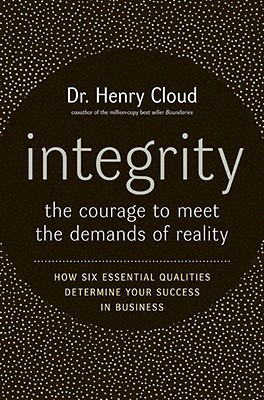
"Integrity: The Courage to Meet the Demands of Reality" by Henry Cloud delves into the multifaceted nature of true integrity, moving beyond simplistic notions of honesty. Cloud argues that integrity is about the holistic integration of one's character, actions, and relationships, enabling an individual to effectively navigate and influence reality. It explores six key dimensions of character that distinguish truly whole and effective individuals, providing a framework for personal growth and leadership development.
This book shares thematic resonance with "Crucial Conversations" in its focus on developing the internal capacity required for effective interaction and influence. Both texts emphasize that improved outcomes stem from a foundation of self-awareness and skillful engagement with challenges. While "Crucial Conversations" provides tactical approaches for specific high-stakes dialogues, "Integrity" cultivates the underlying character traits – like curiosity, commitment, and spiritual solvency – that make those crucial conversations possible and truly productive.
Individuals seeking to understand the foundational elements of enduring success and robust relationships will find this book immensely valuable. It offers profound insights into how personal character shapes one's ability to lead, collaborate, and ultimately thrive within complex environments. The practical framework for self-assessment and development makes it an essential guide for anyone aspiring to greater personal effectiveness and impact.
Integrity: The Courage to Meet the Demands of Reality
"Integrity: The Courage to Meet the Demands of Reality" by Henry Cloud delves into the multifaceted nature of true integrity, moving beyond simplistic notions of honesty. Cloud argues that integrity is about the holistic integration of one's character, actions, and relationships, enabling an individual to effectively navigate and influence reality. It explores six key dimensions of character that distinguish truly whole and effective individuals, providing a framework for personal growth and leadership development.
This book shares thematic resonance with "Crucial Conversations" in its focus on developing the internal capacity required for effective interaction and influence. Both texts emphasize that improved outcomes stem from a foundation of self-awareness and skillful engagement with challenges. While "Crucial Conversations" provides tactical approaches for specific high-stakes dialogues, "Integrity" cultivates the underlying character traits – like curiosity, commitment, and spiritual solvency – that make those crucial conversations possible and truly productive.
Individuals seeking to understand the foundational elements of enduring success and robust relationships will find this book immensely valuable. It offers profound insights into how personal character shapes one's ability to lead, collaborate, and ultimately thrive within complex environments. The practical framework for self-assessment and development makes it an essential guide for anyone aspiring to greater personal effectiveness and impact.
Presence: Bringing Your Boldest Self to Your Biggest Challenges

"Presence" by Amy Cuddy explores how cultivating a sense of personal power and authenticity through subtle shifts in body language and mindset can profoundly impact performance in high-pressure situations. It delves into the science of how non-verbal cues influence our thoughts and feelings, ultimately shaping how we present ourselves and navigate challenging interactions. The core idea is that we can literally "trick" ourselves into feeling more confident and capable, thereby acting as our best selves when it matters most.
This book resonates with "Crucial Conversations" because both focus on empowering individuals to effectively manage high-stakes scenarios. While "Crucial Conversations" provides a framework for navigating difficult verbal exchanges, "Presence" offers the foundational internal strength and confidence necessary to even *engage* in those conversations successfully. Both books equip individuals with practical tools to achieve better outcomes in critical moments, whether through strategic communication or internal self-regulation.
The practical wisdom within "Presence" offers readers a pathway to enhanced self-efficacy and resilience. Understanding how to harness one's own physiology and psychology to project confidence and capability provides a significant advantage in professional and personal life. The actionable advice on "power posing" and self-affirmation can immediately transform one's ability to face anxieties, persuade others, and ultimately thrive under pressure.
Presence: Bringing Your Boldest Self to Your Biggest Challenges
"Presence" by Amy Cuddy explores how cultivating a sense of personal power and authenticity through subtle shifts in body language and mindset can profoundly impact performance in high-pressure situations. It delves into the science of how non-verbal cues influence our thoughts and feelings, ultimately shaping how we present ourselves and navigate challenging interactions. The core idea is that we can literally "trick" ourselves into feeling more confident and capable, thereby acting as our best selves when it matters most.
This book resonates with "Crucial Conversations" because both focus on empowering individuals to effectively manage high-stakes scenarios. While "Crucial Conversations" provides a framework for navigating difficult verbal exchanges, "Presence" offers the foundational internal strength and confidence necessary to even *engage* in those conversations successfully. Both books equip individuals with practical tools to achieve better outcomes in critical moments, whether through strategic communication or internal self-regulation.
The practical wisdom within "Presence" offers readers a pathway to enhanced self-efficacy and resilience. Understanding how to harness one's own physiology and psychology to project confidence and capability provides a significant advantage in professional and personal life. The actionable advice on "power posing" and self-affirmation can immediately transform one's ability to face anxieties, persuade others, and ultimately thrive under pressure.
Fierce Love: Creating a Love that Lasts―One Conversation at a Time

"Fierce Love" delves into the power of honest and direct communication to forge and sustain deep, meaningful relationships. It champions the idea that true love isn't just about affection, but about the courage to engage in "fierce conversations" – dialogues marked by transparency, respect, and a willingness to confront difficult truths, ultimately leading to greater understanding and connection.
This book shares common ground with "Crucial Conversations" by emphasizing the transformative impact of effectively navigating high-stakes discussions. Both texts advocate for intentional communication strategies to achieve positive outcomes in interpersonal dynamics, whether in professional or personal spheres. They provide frameworks and tools for approaching conversations that typically evoke fear or avoidance, turning potential conflict into opportunities for growth.
Individuals seeking to enhance their communication skills and build stronger, more authentic relationships will find immense value in "Fierce Love." It offers practical guidance for moving beyond superficial interactions to engage in the kind of honest dialogue that fosters genuine intimacy and mutual respect, leading to lasting bonds built on understanding and trust.
Fierce Love: Creating a Love that Lasts―One Conversation at a Time
"Fierce Love" delves into the power of honest and direct communication to forge and sustain deep, meaningful relationships. It champions the idea that true love isn't just about affection, but about the courage to engage in "fierce conversations" – dialogues marked by transparency, respect, and a willingness to confront difficult truths, ultimately leading to greater understanding and connection.
This book shares common ground with "Crucial Conversations" by emphasizing the transformative impact of effectively navigating high-stakes discussions. Both texts advocate for intentional communication strategies to achieve positive outcomes in interpersonal dynamics, whether in professional or personal spheres. They provide frameworks and tools for approaching conversations that typically evoke fear or avoidance, turning potential conflict into opportunities for growth.
Individuals seeking to enhance their communication skills and build stronger, more authentic relationships will find immense value in "Fierce Love." It offers practical guidance for moving beyond superficial interactions to engage in the kind of honest dialogue that fosters genuine intimacy and mutual respect, leading to lasting bonds built on understanding and trust.
Radical Candor: Be a Kickass Boss Without Losing Your Humanity
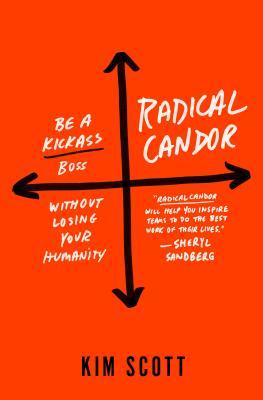
"Radical Candor" advocates for a management philosophy centered on direct, honest feedback delivered with genuine care. Kim Scott argues that effective leadership requires both challenging directly and caring personally. This "radical candor" prevents ruinous empathy (avoiding tough conversations to be 'nice') and manipulative insincerity, fostering a culture of trust and high performance where people can truly grow and excel.
It shares common ground with "Crucial Conversations" in its emphasis on navigating difficult interpersonal exchanges productively. Both books recognize that open, honest communication, even when uncomfortable, is essential for positive outcomes. They provide frameworks and tools for approaching high-stakes discussions, ensuring that feedback is delivered effectively and received constructively, rather than causing resentment or breakdowns in relationships.
This book appeals to anyone looking to improve their leadership skills, particularly in fostering transparent and accountable teams. It offers practical strategies for delivering feedback that truly helps individuals develop, avoiding common pitfalls in communication. For managers, it provides a roadmap to creating a supportive yet challenging work environment, ultimately leading to more engaged employees and better business results.
Radical Candor: Be a Kickass Boss Without Losing Your Humanity
"Radical Candor" advocates for a management philosophy centered on direct, honest feedback delivered with genuine care. Kim Scott argues that effective leadership requires both challenging directly and caring personally. This "radical candor" prevents ruinous empathy (avoiding tough conversations to be 'nice') and manipulative insincerity, fostering a culture of trust and high performance where people can truly grow and excel.
It shares common ground with "Crucial Conversations" in its emphasis on navigating difficult interpersonal exchanges productively. Both books recognize that open, honest communication, even when uncomfortable, is essential for positive outcomes. They provide frameworks and tools for approaching high-stakes discussions, ensuring that feedback is delivered effectively and received constructively, rather than causing resentment or breakdowns in relationships.
This book appeals to anyone looking to improve their leadership skills, particularly in fostering transparent and accountable teams. It offers practical strategies for delivering feedback that truly helps individuals develop, avoiding common pitfalls in communication. For managers, it provides a roadmap to creating a supportive yet challenging work environment, ultimately leading to more engaged employees and better business results.
More Books to Explore
Discover more titles that expand on these ideas and themes.
Difficult Conversations: How to Discuss What Matters Most
Influencer: The Power to Change Anything
How to Talk to Anyone: 92 Little Tricks for Big Success in Relationships
Always Know What To Say - Easy Ways To Approach And Talk To Anyone
Dealing with People You Can't Stand: How to Bring Out the Best in People at Their Worst
Nonviolent Communication: A Language of Life