10 Books Similar to "Coming up for Air"
by George Orwell

Burmese Days

"Burmese Days" dissects the moral decay and racial tensions within a 1920s British colonial outpost in Burma. It focuses on John Flory, a jaded timber merchant disillusioned by the hypocrisy and bigotry of his countrymen, struggling for a sense of authenticity amid a society he despises. The novel exposes the corrosive effects of imperialism on both colonizer and colonized, depicting a world riddled with social climbing, prejudice, and a profound sense of cultural alienation.
The similarity to "Coming Up for Air" lies in their shared exploration of disillusionment and the yearning for an idealized past, or at least an escape from a suffocating present. Both novels feature protagonists grappling with societal pressures and personal failures, observing a world they find increasingly repellent. Flory, like George Bowling, yearns for genuine connection and a simpler existence, but is ultimately trapped by circumstance and his own weaknesses.
This novel will resonate with those interested in historical fiction, particularly works critiquing colonialism and societal hypocrisy. Its unflinching depiction of moral compromise and cultural conflict provides valuable insight into the human cost of empire. It offers a powerful, albeit often grim, reflection on individual integrity in the face of systemic injustice, themes that remain profoundly relevant today.
Burmese Days
"Burmese Days" dissects the moral decay and racial tensions within a 1920s British colonial outpost in Burma. It focuses on John Flory, a jaded timber merchant disillusioned by the hypocrisy and bigotry of his countrymen, struggling for a sense of authenticity amid a society he despises. The novel exposes the corrosive effects of imperialism on both colonizer and colonized, depicting a world riddled with social climbing, prejudice, and a profound sense of cultural alienation.
The similarity to "Coming Up for Air" lies in their shared exploration of disillusionment and the yearning for an idealized past, or at least an escape from a suffocating present. Both novels feature protagonists grappling with societal pressures and personal failures, observing a world they find increasingly repellent. Flory, like George Bowling, yearns for genuine connection and a simpler existence, but is ultimately trapped by circumstance and his own weaknesses.
This novel will resonate with those interested in historical fiction, particularly works critiquing colonialism and societal hypocrisy. Its unflinching depiction of moral compromise and cultural conflict provides valuable insight into the human cost of empire. It offers a powerful, albeit often grim, reflection on individual integrity in the face of systemic injustice, themes that remain profoundly relevant today.
George Orwell Omnibus: The Complete Novels: Animal Farm, Burmese Days, A Clergyman's Daughter, Coming up for Air, Keep the Aspidistra Flying, and Nineteen Eighty-Four
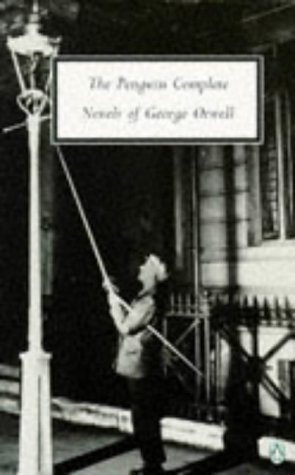
The "George Orwell Omnibus" collects the author's complete novels, offering a comprehensive look at his celebrated literary output. It's a journey through various facets of 20th-century life, from the allegorical dystopia of "Animal Farm" and the stark totalitarianism of "Nineteen Eighty-Four" to more character-driven narratives exploring societal pressures, class struggle, and individual disillusionment, such as "Burmese Days" and "Keep the Aspidistra Flying." This collection presents a powerful commentary on political systems, human nature, and personal freedom.
This omnibus is inherently similar to "Coming up for Air" because it *contains* "Coming up for Air." Beyond mere inclusion, though, the omnibus allows for a deeper appreciation of the thematic threads that run through Orwell's work. The sense of lost innocence, the yearning for a simpler past, and the critique of modern society's impact on the individual – all prominent in "Coming up for Air" – resonate powerfully when viewed alongside his other novels, revealing recurring concerns and ideological development.
This collection will appeal to anyone seeking a profound understanding of Orwell's contributions to literature and political thought. It offers a singular opportunity to trace the evolution of his ideas and craftsmanship, providing context for his most famous works while introducing lesser-known but equally insightful narratives. The omnibus is invaluable for those wishing to explore the breadth of Orwell's genius and engage with enduring questions about power, ethics, and the human condition.
George Orwell Omnibus: The Complete Novels: Animal Farm, Burmese Days, A Clergyman's Daughter, Coming up for Air, Keep the Aspidistra Flying, and Nineteen Eighty-Four
The "George Orwell Omnibus" collects the author's complete novels, offering a comprehensive look at his celebrated literary output. It's a journey through various facets of 20th-century life, from the allegorical dystopia of "Animal Farm" and the stark totalitarianism of "Nineteen Eighty-Four" to more character-driven narratives exploring societal pressures, class struggle, and individual disillusionment, such as "Burmese Days" and "Keep the Aspidistra Flying." This collection presents a powerful commentary on political systems, human nature, and personal freedom.
This omnibus is inherently similar to "Coming up for Air" because it *contains* "Coming up for Air." Beyond mere inclusion, though, the omnibus allows for a deeper appreciation of the thematic threads that run through Orwell's work. The sense of lost innocence, the yearning for a simpler past, and the critique of modern society's impact on the individual – all prominent in "Coming up for Air" – resonate powerfully when viewed alongside his other novels, revealing recurring concerns and ideological development.
This collection will appeal to anyone seeking a profound understanding of Orwell's contributions to literature and political thought. It offers a singular opportunity to trace the evolution of his ideas and craftsmanship, providing context for his most famous works while introducing lesser-known but equally insightful narratives. The omnibus is invaluable for those wishing to explore the breadth of Orwell's genius and engage with enduring questions about power, ethics, and the human condition.
1984

*1984* depicts a dystopian future where oppressive totalitarianism has absolute control over every aspect of life, thought, and history. Winston Smith, a low-ranking Outer Party member, quietly rebels against the Party's omnipresent surveillance, manipulation of truth, and suppression of individuality, leading to harrowing consequences. It's a stark exploration of power, conformity, and the fragility of truth in a society utterly devoid of freedom.
The similarity to *Coming Up for Air* lies in their shared exploration of disillusionment and the loss of a past, idealized world. While *Coming Up for Air* uses nostalgia for a pre-war England to highlight its present decay, *1984* actively constructs and obliterates a past, exposing how control over memory is fundamental to authoritarianism. Both novels confront the individual’s struggle against an overwhelming, often unseen, force that seeks to define reality and identity.
This novel will appeal to those who value a profound examination of political control, psychological manipulation, and the enduring human spirit in the face of tyranny. Its insights into surveillance, propaganda, and censorship remain chillingly relevant, offering crucial perspectives on societal power structures and the importance of critical thought and individual liberty in any era.
1984
*1984* depicts a dystopian future where oppressive totalitarianism has absolute control over every aspect of life, thought, and history. Winston Smith, a low-ranking Outer Party member, quietly rebels against the Party's omnipresent surveillance, manipulation of truth, and suppression of individuality, leading to harrowing consequences. It's a stark exploration of power, conformity, and the fragility of truth in a society utterly devoid of freedom.
The similarity to *Coming Up for Air* lies in their shared exploration of disillusionment and the loss of a past, idealized world. While *Coming Up for Air* uses nostalgia for a pre-war England to highlight its present decay, *1984* actively constructs and obliterates a past, exposing how control over memory is fundamental to authoritarianism. Both novels confront the individual’s struggle against an overwhelming, often unseen, force that seeks to define reality and identity.
This novel will appeal to those who value a profound examination of political control, psychological manipulation, and the enduring human spirit in the face of tyranny. Its insights into surveillance, propaganda, and censorship remain chillingly relevant, offering crucial perspectives on societal power structures and the importance of critical thought and individual liberty in any era.
Animal Farm
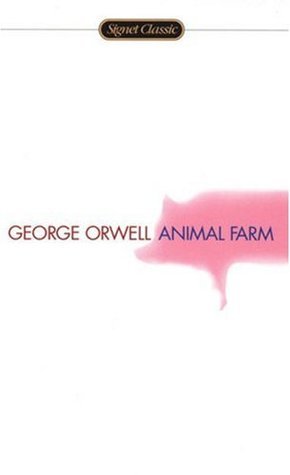
"Animal Farm" is a satirical allegory depicting a revolution by farm animals against their human farmer, only for the new society to devolve into a tyrannical dictatorship under the pigs. It provides a stark warning about the corrupting nature of power, the dangers of unchecked revolution, and the manipulation of propaganda to control a populace.
The similarity to "Coming up for Air" lies primarily in their shared authorial voice and thematic undercurrents. Both novels, though vastly different in setting and scope, explore Orwell's deep-seated anxieties about societal decay, the erosion of individual liberty, and the insidious ways in which power structures can oppress the common person. While "Coming up for Air" focuses on personal disillusionment within a changing Britain, "Animal Farm" broadens this critique to the political landscape, illustrating the universal patterns of authoritarianism.
This book holds enduring appeal and value for its incisive commentary on power and ideology. Its accessible narrative allows for a clear understanding of complex political dynamics, making it an excellent entry point for discussions on totalitarianism, social justice, and the importance of critical thinking. Its lessons remain remarkably relevant in understanding historical events and contemporary political discourse.
Animal Farm
"Animal Farm" is a satirical allegory depicting a revolution by farm animals against their human farmer, only for the new society to devolve into a tyrannical dictatorship under the pigs. It provides a stark warning about the corrupting nature of power, the dangers of unchecked revolution, and the manipulation of propaganda to control a populace.
The similarity to "Coming up for Air" lies primarily in their shared authorial voice and thematic undercurrents. Both novels, though vastly different in setting and scope, explore Orwell's deep-seated anxieties about societal decay, the erosion of individual liberty, and the insidious ways in which power structures can oppress the common person. While "Coming up for Air" focuses on personal disillusionment within a changing Britain, "Animal Farm" broadens this critique to the political landscape, illustrating the universal patterns of authoritarianism.
This book holds enduring appeal and value for its incisive commentary on power and ideology. Its accessible narrative allows for a clear understanding of complex political dynamics, making it an excellent entry point for discussions on totalitarianism, social justice, and the importance of critical thinking. Its lessons remain remarkably relevant in understanding historical events and contemporary political discourse.
Parade's End

*Parade's End* chronicles the life of Christopher Tietjens, an English gentleman navigating the collapse of Edwardian certainty and the brutal realities of World War I. It's a profound exploration of societal decay, personal integrity, and the struggle to maintain one's moral compass amid profound historical shifts. The narrative delves into his complex relationships, particularly with his manipulative wife, and his yearning for a simpler, more authentic existence.
The similarity to *Coming Up for Air* lies in their shared exploration of nostalgia, disillusionment with modernity, and the personal impact of societal change. Both novels feature protagonists who are deeply uncomfortable with the evolving world, yearning for a romanticized past that has irrevocably vanished. They highlight the individual's struggle against the encroaching forces of commercialism and the perceived loss of traditional values, offering a poignant critique of their respective eras.
This novel will appeal for its sharp psychological insight, masterful character development, and evocative portrayal of a pivotal historical period. Its value lies in its timeless commentary on identity, adaptation, and the enduring human desire for authenticity in a world constantly in flux. It offers a rich, layered reading experience that resonates with contemporary anxieties about societal transformation and personal meaning.
Parade's End
*Parade's End* chronicles the life of Christopher Tietjens, an English gentleman navigating the collapse of Edwardian certainty and the brutal realities of World War I. It's a profound exploration of societal decay, personal integrity, and the struggle to maintain one's moral compass amid profound historical shifts. The narrative delves into his complex relationships, particularly with his manipulative wife, and his yearning for a simpler, more authentic existence.
The similarity to *Coming Up for Air* lies in their shared exploration of nostalgia, disillusionment with modernity, and the personal impact of societal change. Both novels feature protagonists who are deeply uncomfortable with the evolving world, yearning for a romanticized past that has irrevocably vanished. They highlight the individual's struggle against the encroaching forces of commercialism and the perceived loss of traditional values, offering a poignant critique of their respective eras.
This novel will appeal for its sharp psychological insight, masterful character development, and evocative portrayal of a pivotal historical period. Its value lies in its timeless commentary on identity, adaptation, and the enduring human desire for authenticity in a world constantly in flux. It offers a rich, layered reading experience that resonates with contemporary anxieties about societal transformation and personal meaning.
A Handful of Dust
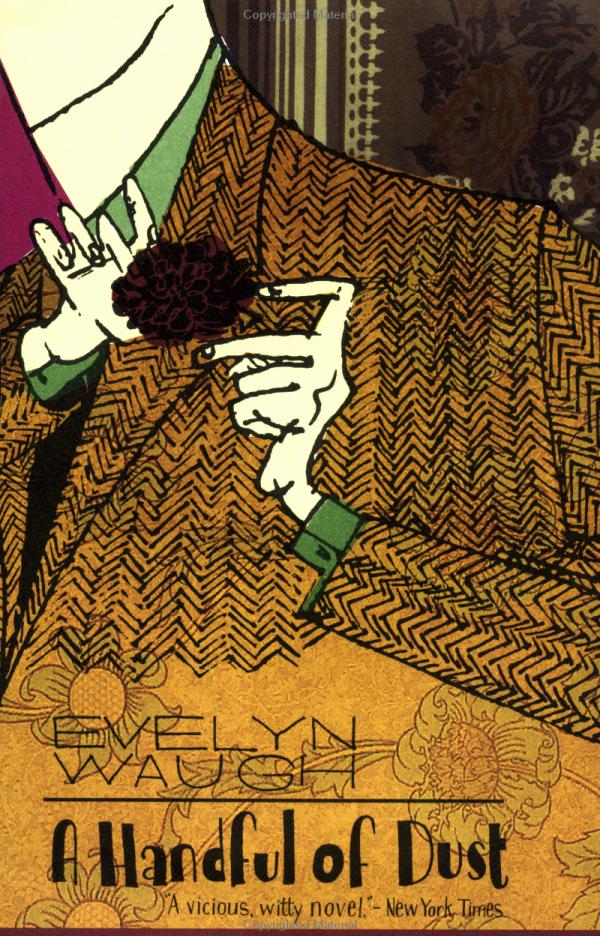
"A Handful of Dust" chronicles the slow, agonizing disintegration of Tony Last's life, a naive English country gentleman clinging to his crumbling ancestral home, Hetton Abbey. His wife, Brenda, grows bored and embarks on a tawdry affair, ultimately leading to their son's tragic death and Tony’s subsequent descent into a grotesque, inescapable farce in the Amazonian jungle. It's a darkly satirical examination of societal decay and the futility of holding onto outdated ideals.
Both novels feature protagonists who are deeply disillusioned with their stagnant lives and the superficiality of their respective societies. Like George Bowling in "Coming up for Air," Tony Last yearns for an escape from his drab reality, a longing that manifests in a nostalgic, ultimately futile, quest for a simpler past. Each man is a pawn in a larger, indifferent world, struggling against forces they cannot comprehend or control, their aspirations invariably crushed by external circumstances and internal flaws.
This novel will resonate with those who appreciate keen social commentary and the devastating irony of human folly. Its incisive critique of class, morality, and the illusion of progress offers a timeless reflection on the pitfalls of clinging to the past or failing to adapt to a changing world. The dark humor and tragic brilliance provide a thought-provoking and unforgettable reading experience.
A Handful of Dust
"A Handful of Dust" chronicles the slow, agonizing disintegration of Tony Last's life, a naive English country gentleman clinging to his crumbling ancestral home, Hetton Abbey. His wife, Brenda, grows bored and embarks on a tawdry affair, ultimately leading to their son's tragic death and Tony’s subsequent descent into a grotesque, inescapable farce in the Amazonian jungle. It's a darkly satirical examination of societal decay and the futility of holding onto outdated ideals.
Both novels feature protagonists who are deeply disillusioned with their stagnant lives and the superficiality of their respective societies. Like George Bowling in "Coming up for Air," Tony Last yearns for an escape from his drab reality, a longing that manifests in a nostalgic, ultimately futile, quest for a simpler past. Each man is a pawn in a larger, indifferent world, struggling against forces they cannot comprehend or control, their aspirations invariably crushed by external circumstances and internal flaws.
This novel will resonate with those who appreciate keen social commentary and the devastating irony of human folly. Its incisive critique of class, morality, and the illusion of progress offers a timeless reflection on the pitfalls of clinging to the past or failing to adapt to a changing world. The dark humor and tragic brilliance provide a thought-provoking and unforgettable reading experience.
The Go-Between

L.P. Hartley's "The Go-Between" chronicles the summer of a young, impressionable Leo Colston in 1900. Sent to stay with an aristocratic family, Leo unknowingly becomes a conduit for secret love letters between the beautiful, older Marian Maudsley and a local tenant farmer, Ted Burgess. The novel explores the devastating consequences of this clandestine affair and the shattering loss of childhood innocence that irrevocably shapes Leo’s adult life.
Thematically, "The Go-Between" echoes "Coming up for Air" through its poignant exploration of nostalgia, lost innocence, and the deceptive allure of the past. Both novels feature protagonists, George Bowling and Leo Colston, reflecting on pivotal childhood experiences that underpin their dissatisfaction with contemporary life. They grapple with the chasm between idealized memories and the harsh realities of adulthood, and the painful recognition that the past cannot be recaptured.
This book offers a compelling narrative for those who appreciate nuanced psychological depth and the exploration of societal constraints. It provides a timeless reflection on memory, class dynamics, and the often-unforeseen repercussions of youthful involvement in adult affairs. Its elegant prose and insightful character studies make it a rewarding and thought-provoking read, revealing the enduring impact of formative experiences.
The Go-Between
L.P. Hartley's "The Go-Between" chronicles the summer of a young, impressionable Leo Colston in 1900. Sent to stay with an aristocratic family, Leo unknowingly becomes a conduit for secret love letters between the beautiful, older Marian Maudsley and a local tenant farmer, Ted Burgess. The novel explores the devastating consequences of this clandestine affair and the shattering loss of childhood innocence that irrevocably shapes Leo’s adult life.
Thematically, "The Go-Between" echoes "Coming up for Air" through its poignant exploration of nostalgia, lost innocence, and the deceptive allure of the past. Both novels feature protagonists, George Bowling and Leo Colston, reflecting on pivotal childhood experiences that underpin their dissatisfaction with contemporary life. They grapple with the chasm between idealized memories and the harsh realities of adulthood, and the painful recognition that the past cannot be recaptured.
This book offers a compelling narrative for those who appreciate nuanced psychological depth and the exploration of societal constraints. It provides a timeless reflection on memory, class dynamics, and the often-unforeseen repercussions of youthful involvement in adult affairs. Its elegant prose and insightful character studies make it a rewarding and thought-provoking read, revealing the enduring impact of formative experiences.
We Are Not Alone
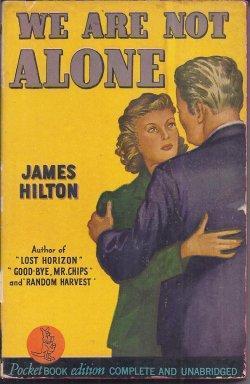
James Hilton's "We Are Not Alone" tells the story of Dr. Newcome, a compassionate English surgeon whose kindness to a young immigrant woman leads to a tragic misunderstanding and his eventual trial for murder. It explores themes of isolation, prejudice, and the often-unseen complexities of human connection in the face of societal judgment.
The novel shares a profound resonance with "Coming up for Air" through its exploration of individual disillusionment and the suffocating pressures of modern life. Both protagonists, George Bowling and Dr. Newcome, grapple with a sense of alienation and a longing for a simpler past or a clearer understanding in a world that seems increasingly hostile or indifferent to their genuine intentions. They both experience the weight of societal expectations and the difficulty of finding authentic relief or escape.
This book offers a compelling narrative that underscores the fragility of reputation and the pervasive nature of misunderstanding. Its timeless examination of empathy, justice, and the often-unseen human story beneath public perception provides significant food for thought and emotional engagement, leaving a lasting impression on those who appreciate introspective drama and social commentary.
We Are Not Alone
James Hilton's "We Are Not Alone" tells the story of Dr. Newcome, a compassionate English surgeon whose kindness to a young immigrant woman leads to a tragic misunderstanding and his eventual trial for murder. It explores themes of isolation, prejudice, and the often-unseen complexities of human connection in the face of societal judgment.
The novel shares a profound resonance with "Coming up for Air" through its exploration of individual disillusionment and the suffocating pressures of modern life. Both protagonists, George Bowling and Dr. Newcome, grapple with a sense of alienation and a longing for a simpler past or a clearer understanding in a world that seems increasingly hostile or indifferent to their genuine intentions. They both experience the weight of societal expectations and the difficulty of finding authentic relief or escape.
This book offers a compelling narrative that underscores the fragility of reputation and the pervasive nature of misunderstanding. Its timeless examination of empathy, justice, and the often-unseen human story beneath public perception provides significant food for thought and emotional engagement, leaving a lasting impression on those who appreciate introspective drama and social commentary.
Random Harvest

"Random Harvest" centers on Charles Rainier, a shell-shocked World War I veteran suffering from amnesia. In 1918, he escapes an asylum and builds a new life with a mysterious woman, Paula. When his memory unexpectedly returns years later, he is a wealthy industrialist named Charles and has no recollection of his life with Paula. The novel then follows his desperate search to reconnect with his lost past and the woman he loved, navigating the emotional complexities of fragmented identity and forgotten love.
Both novels delve deeply into the theme of nostalgia and the inescapable pull of the past. "Coming Up for Air" explores George Bowling's yearning for a simpler pre-war England, a world that is irrevocably altered. Similarly, "Random Harvest" showcases Charles Rainier's poignant quest to recover a lost, idyllic period of his life, highlighting the psychological burden of memory (or its absence) and the profound impact of war on individual identity and perception of reality. Both protagonists grapple with a sense of displacement in their present.
This book offers a compelling exploration of identity, memory, and the enduring nature of love, even against extraordinary circumstances. Its intricate narrative, with its suspenseful amnesia plot and the poignant exploration of a fragmented self, makes it a captivating and emotionally resonant read. It encourages reflection on how our past shapes who we are and the profound human need for connection and belonging.
Random Harvest
"Random Harvest" centers on Charles Rainier, a shell-shocked World War I veteran suffering from amnesia. In 1918, he escapes an asylum and builds a new life with a mysterious woman, Paula. When his memory unexpectedly returns years later, he is a wealthy industrialist named Charles and has no recollection of his life with Paula. The novel then follows his desperate search to reconnect with his lost past and the woman he loved, navigating the emotional complexities of fragmented identity and forgotten love.
Both novels delve deeply into the theme of nostalgia and the inescapable pull of the past. "Coming Up for Air" explores George Bowling's yearning for a simpler pre-war England, a world that is irrevocably altered. Similarly, "Random Harvest" showcases Charles Rainier's poignant quest to recover a lost, idyllic period of his life, highlighting the psychological burden of memory (or its absence) and the profound impact of war on individual identity and perception of reality. Both protagonists grapple with a sense of displacement in their present.
This book offers a compelling exploration of identity, memory, and the enduring nature of love, even against extraordinary circumstances. Its intricate narrative, with its suspenseful amnesia plot and the poignant exploration of a fragmented self, makes it a captivating and emotionally resonant read. It encourages reflection on how our past shapes who we are and the profound human need for connection and belonging.
Hangover Square

"Hangover Square" delves into the fragmented mind of George Harvey Bone, a man suffering from dissociative fugues, as he navigates the seedy underbelly of 1930s London. His desperate and unrequited love for the manipulative Netta drives him towards a terrifying breakdown, culminating in murder. The novel masterfully explores themes of urban anomie, class anxieties, and the psychological torment of social alienation.
Both "Coming up for Air" and "Hangover Square" vividly portray protagonists struggling against profound disillusionment and a sense of encroaching societal decay. While Orwell’s George Bowling yearns for a lost pastoral past, Hamilton’s George Harvey Bone is trapped in a present he despises, his internal chaos mirroring the external squalor. Both novels excel at capturing a particular pre-war British malaise, filtered through the consciousness of men feeling increasingly irrelevant and constrained.
This book offers a compelling exploration of psychological disintegration and the corrosive effects of unfulfilled desires in a rapidly changing world. Its sharp social commentary, combined with a deeply atmospheric portrayal of down-at-heel London, resonates with anyone interested in existential angst, the darker side of human nature, and the psychological impact of societal pressures. Its enduring power lies in its unflinching examination of a mind unravelling amidst urban decay.
Hangover Square
"Hangover Square" delves into the fragmented mind of George Harvey Bone, a man suffering from dissociative fugues, as he navigates the seedy underbelly of 1930s London. His desperate and unrequited love for the manipulative Netta drives him towards a terrifying breakdown, culminating in murder. The novel masterfully explores themes of urban anomie, class anxieties, and the psychological torment of social alienation.
Both "Coming up for Air" and "Hangover Square" vividly portray protagonists struggling against profound disillusionment and a sense of encroaching societal decay. While Orwell’s George Bowling yearns for a lost pastoral past, Hamilton’s George Harvey Bone is trapped in a present he despises, his internal chaos mirroring the external squalor. Both novels excel at capturing a particular pre-war British malaise, filtered through the consciousness of men feeling increasingly irrelevant and constrained.
This book offers a compelling exploration of psychological disintegration and the corrosive effects of unfulfilled desires in a rapidly changing world. Its sharp social commentary, combined with a deeply atmospheric portrayal of down-at-heel London, resonates with anyone interested in existential angst, the darker side of human nature, and the psychological impact of societal pressures. Its enduring power lies in its unflinching examination of a mind unravelling amidst urban decay.
More Books to Explore
Discover more titles that expand on these ideas and themes.
Burmese Days
George Orwell Omnibus: The Complete Novels: Animal Farm, Burmese Days, A Clergyman's Daughter, Coming up for Air, Keep the Aspidistra Flying, and Nineteen Eighty-Four
1984
Animal Farm
Parade's End
A Handful of Dust