10 Books Similar to "Camille Claudel"
by Anne Delbée
Henry Miller: The Paris Years
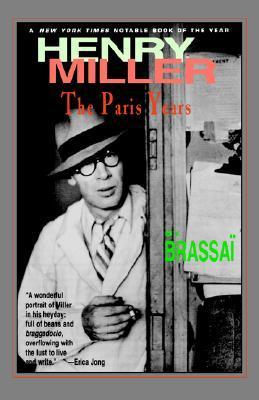
Brassaï’s "Henry Miller: The Paris Years" offers an intimate and unvarnished portrait of the iconic American writer during his formative decade in Paris. Through a collection of essays and photographs, Brassaï, a close friend, chronicles Miller’s struggles, his bohemian lifestyle, and the raw creative energy that fueled works like "Tropic of Cancer." It delves into his relationships, intellectual development, and the vibrant artistic milieu he inhabited, providing a deeply personal glimpse into the making of a legendary literary figure.
This book shares thematic and stylistic threads with "Camille Claudel" by Anne Delbée. Both works meticulously document the lives of groundbreaking artists—one a sculptor, the other a writer—who defied societal norms and faced profound personal and professional challenges. They illuminate the intense dedication, the sacrifices, and the unconventional paths taken to pursue their artistic visions within specific cultural landscapes, revealing the profound impact of their environments on their creative outputs and personal narratives.
The book's appeal lies in its authentic depiction of artistic struggle and triumph, offering a rare window into the mind of a great writer. Its candid presentation of Miller’s life and times provides valuable insight into the creative process, the bohemian art scene of 1930s Paris, and the human cost of artistic ambition. Individuals drawn to the complexities of artistic biography and the intersection of life and creativity will appreciate its depth and candor.
Henry Miller: The Paris Years
Brassaï’s "Henry Miller: The Paris Years" offers an intimate and unvarnished portrait of the iconic American writer during his formative decade in Paris. Through a collection of essays and photographs, Brassaï, a close friend, chronicles Miller’s struggles, his bohemian lifestyle, and the raw creative energy that fueled works like "Tropic of Cancer." It delves into his relationships, intellectual development, and the vibrant artistic milieu he inhabited, providing a deeply personal glimpse into the making of a legendary literary figure.
This book shares thematic and stylistic threads with "Camille Claudel" by Anne Delbée. Both works meticulously document the lives of groundbreaking artists—one a sculptor, the other a writer—who defied societal norms and faced profound personal and professional challenges. They illuminate the intense dedication, the sacrifices, and the unconventional paths taken to pursue their artistic visions within specific cultural landscapes, revealing the profound impact of their environments on their creative outputs and personal narratives.
The book's appeal lies in its authentic depiction of artistic struggle and triumph, offering a rare window into the mind of a great writer. Its candid presentation of Miller’s life and times provides valuable insight into the creative process, the bohemian art scene of 1930s Paris, and the human cost of artistic ambition. Individuals drawn to the complexities of artistic biography and the intersection of life and creativity will appreciate its depth and candor.
Simone de Beauvoir: A Biography

Deirdre Bair’s *Simone de Beauvoir: A Biography* offers an authoritative and deeply researched account of the iconic French intellectual and feminist. It meticulously chronicles Beauvoir's life from her conservative Parisian upbringing to her groundbreaking literary career, her complex lifelong partnership with Jean-Paul Sartre, and her radical philosophical contributions, particularly to existentialism and women's rights. The biography explores her personal struggles, her political activism, and the profound impact of her work on 20th-century thought.
This biography shares significant thematic and structural common ground with Anne Delbée’s *Camille Claudel*. Both books meticulously delve into the lives of extraordinary French women who defied societal norms and artistic conventions of their times. Each narrative explores the intense creative struggles, personal sacrifices, and complex relationships that shaped these women's identities and legacies. Both authors employ extensive research to paint nuanced portraits, unflinchingly addressing both the triumphs and tribulations.
Readers interested in the lives of pioneering women who navigated challenging patriarchal landscapes to leave indelible marks on art, literature, and philosophy will find this biography deeply compelling and enlightening. It provides invaluable insights into the intellectual and cultural currents of mid-20th-century France and offers a powerful exploration of autonomy, ambition, and the enduring quest for self-definition against formidable odds.
Simone de Beauvoir: A Biography
Deirdre Bair’s *Simone de Beauvoir: A Biography* offers an authoritative and deeply researched account of the iconic French intellectual and feminist. It meticulously chronicles Beauvoir's life from her conservative Parisian upbringing to her groundbreaking literary career, her complex lifelong partnership with Jean-Paul Sartre, and her radical philosophical contributions, particularly to existentialism and women's rights. The biography explores her personal struggles, her political activism, and the profound impact of her work on 20th-century thought.
This biography shares significant thematic and structural common ground with Anne Delbée’s *Camille Claudel*. Both books meticulously delve into the lives of extraordinary French women who defied societal norms and artistic conventions of their times. Each narrative explores the intense creative struggles, personal sacrifices, and complex relationships that shaped these women's identities and legacies. Both authors employ extensive research to paint nuanced portraits, unflinchingly addressing both the triumphs and tribulations.
Readers interested in the lives of pioneering women who navigated challenging patriarchal landscapes to leave indelible marks on art, literature, and philosophy will find this biography deeply compelling and enlightening. It provides invaluable insights into the intellectual and cultural currents of mid-20th-century France and offers a powerful exploration of autonomy, ambition, and the enduring quest for self-definition against formidable odds.
The Journal of Eugene Delacroix

"The Journal of Eugene Delacroix" offers intimate access to the mind of one of the most influential Romantic painters. It's a deeply personal record, spanning decades, where Delacroix articulates his artistic theories, struggles, triumphs, and daily observations. Beyond art, it reveals his thoughts on society, politics, literature, and the human condition, providing an unparalleled window into 19th-century intellectual and artistic life.
This journal shares a profound similarity with "Camille Claudel" in its direct, unfiltered portrayal of a masterful artist's inner world. Both books delve into the creative process, exploring the passion, doubt, and relentless pursuit of artistic expression that defined their subjects. They confront the personal sacrifices and societal pressures faced by these towering figures, offering raw, authentic perspectives on the lives behind iconic works.
This book will appeal to those captivated by the intricate lives of artists and the genesis of creative genius. It offers invaluable insights into the historical context of art, the challenges of artistic production, and the enduring human quest for meaning and beauty. Its direct voice provides a powerful connection to the past, enriching one's understanding of both art history and the individual experience of creation.
The Journal of Eugene Delacroix
"The Journal of Eugene Delacroix" offers intimate access to the mind of one of the most influential Romantic painters. It's a deeply personal record, spanning decades, where Delacroix articulates his artistic theories, struggles, triumphs, and daily observations. Beyond art, it reveals his thoughts on society, politics, literature, and the human condition, providing an unparalleled window into 19th-century intellectual and artistic life.
This journal shares a profound similarity with "Camille Claudel" in its direct, unfiltered portrayal of a masterful artist's inner world. Both books delve into the creative process, exploring the passion, doubt, and relentless pursuit of artistic expression that defined their subjects. They confront the personal sacrifices and societal pressures faced by these towering figures, offering raw, authentic perspectives on the lives behind iconic works.
This book will appeal to those captivated by the intricate lives of artists and the genesis of creative genius. It offers invaluable insights into the historical context of art, the challenges of artistic production, and the enduring human quest for meaning and beauty. Its direct voice provides a powerful connection to the past, enriching one's understanding of both art history and the individual experience of creation.
Strapless: John Singer Sargent and the Fall of Madame X
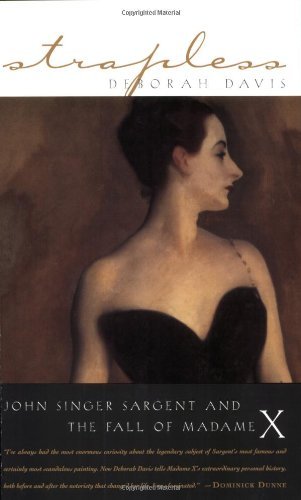
*Strapless: John Singer Sargent and the Fall of Madame X* delves into the captivating true story behind John Singer Sargent’s iconic and scandalous painting, "Portrait of Madame X." The book explores the life of Virginie Gautreau, the American expatriate socialite who was the subject, and the explosive impact the portrait had on Parisian society in 1884. It meticulously details Sargent’s artistic process, the meticulous planning behind the controversial "strapless" dress, and the ensuing public outrage that almost destroyed both artist and sitter. Ultimately, it’s a penetrating examination of art, celebrity, and the unforgiving glare of public opinion in Belle Époque Paris.
This book shares compelling similarities with *Camille Claudel* primarily through its exploration of groundbreaking artists whose unconventional approaches challenged societal norms and, in turn, led to personal and professional upheaval. Both narratives center on intensely talented individuals, one a painter and the other a sculptor, who dared to push artistic boundaries in an era often resistant to change. They highlight the personal cost of creative genius and the complex interplay between artistic ambition, public perception, and individual destiny.
The book will appeal to those who appreciate meticulously researched historical narratives that bring forgotten stories to life. It offers a fascinating window into the artistic and social dynamics of 19th-century Paris, illuminating the power of art to both define and destroy reputations. Delving into themes of artistic freedom, societal judgment, and the enduring legacy of a single artwork, it provides insightful commentary on the human cost of daring to be different, making it a thought-provoking read for anyone interested in art history, biography, or the complexities of fame.
Strapless: John Singer Sargent and the Fall of Madame X
*Strapless: John Singer Sargent and the Fall of Madame X* delves into the captivating true story behind John Singer Sargent’s iconic and scandalous painting, "Portrait of Madame X." The book explores the life of Virginie Gautreau, the American expatriate socialite who was the subject, and the explosive impact the portrait had on Parisian society in 1884. It meticulously details Sargent’s artistic process, the meticulous planning behind the controversial "strapless" dress, and the ensuing public outrage that almost destroyed both artist and sitter. Ultimately, it’s a penetrating examination of art, celebrity, and the unforgiving glare of public opinion in Belle Époque Paris.
This book shares compelling similarities with *Camille Claudel* primarily through its exploration of groundbreaking artists whose unconventional approaches challenged societal norms and, in turn, led to personal and professional upheaval. Both narratives center on intensely talented individuals, one a painter and the other a sculptor, who dared to push artistic boundaries in an era often resistant to change. They highlight the personal cost of creative genius and the complex interplay between artistic ambition, public perception, and individual destiny.
The book will appeal to those who appreciate meticulously researched historical narratives that bring forgotten stories to life. It offers a fascinating window into the artistic and social dynamics of 19th-century Paris, illuminating the power of art to both define and destroy reputations. Delving into themes of artistic freedom, societal judgment, and the enduring legacy of a single artwork, it provides insightful commentary on the human cost of daring to be different, making it a thought-provoking read for anyone interested in art history, biography, or the complexities of fame.
Beauty and the Beast: Diary of a Film

Jean Cocteau's "Beauty and the Beast: Diary of a Film" offers an intimate, day-by-day chronicle of the challenges and creative triumphs behind his iconic 1946 cinematic adaptation. It delves into the practicalities of filmmaking during a post-war era of scarcity, revealing Cocteau's artistic process, his personal struggles with illness, and the intricate collaboration required to translate a timeless fairy tale into a visually stunning, emotionally resonant work of art. The diary captures the essence of a singular creative endeavor, from conceptualization to final cut.
The similarity to Anne Delbée's "Camille Claudel" lies in their shared exploration of intense artistic passion often intertwined with profound personal turmoil. Both books illuminate the sacrifices, the relentless dedication, and the internal battles faced by artists driven by an uncompromising vision. While Cocteau's account is self-reflective and immediate, and Delbée's is a biographical reconstruction, they each provide a window into the demanding psychological landscape of a creative genius navigating their craft and their world.
This book offers a compelling insight into the artistic temperament and the reality of bringing a complex artistic vision to fruition, even under immense pressure. It provides a unique perspective on the creative process itself, demonstrating how limitations can foster innovation and how an artist's personal life inevitably shapes their work. The candid reflections on perseverance, compromise, and the pursuit of beauty will resonate deeply, offering a valuable understanding of artistic creation.
Beauty and the Beast: Diary of a Film
Jean Cocteau's "Beauty and the Beast: Diary of a Film" offers an intimate, day-by-day chronicle of the challenges and creative triumphs behind his iconic 1946 cinematic adaptation. It delves into the practicalities of filmmaking during a post-war era of scarcity, revealing Cocteau's artistic process, his personal struggles with illness, and the intricate collaboration required to translate a timeless fairy tale into a visually stunning, emotionally resonant work of art. The diary captures the essence of a singular creative endeavor, from conceptualization to final cut.
The similarity to Anne Delbée's "Camille Claudel" lies in their shared exploration of intense artistic passion often intertwined with profound personal turmoil. Both books illuminate the sacrifices, the relentless dedication, and the internal battles faced by artists driven by an uncompromising vision. While Cocteau's account is self-reflective and immediate, and Delbée's is a biographical reconstruction, they each provide a window into the demanding psychological landscape of a creative genius navigating their craft and their world.
This book offers a compelling insight into the artistic temperament and the reality of bringing a complex artistic vision to fruition, even under immense pressure. It provides a unique perspective on the creative process itself, demonstrating how limitations can foster innovation and how an artist's personal life inevitably shapes their work. The candid reflections on perseverance, compromise, and the pursuit of beauty will resonate deeply, offering a valuable understanding of artistic creation.
Prime of Life

"Prime of Life" is Simone de Beauvoir's compelling intellectual autobiography, chronicling her formative years from the ages of 21 to 32. It delves into her passionate relationship with Jean-Paul Sartre, their philosophical explorations, the bohemian intellectual circles they inhabited, and her evolving understanding of self, freedom, and societal constraints in pre-war and early wartime France. It's a deeply personal and reflective account of self-discovery and the forging of an extraordinary identity.
Both books offer intimate glimpses into the lives of intensely creative and intellectually driven women navigating societal expectations and personal relationships within the vibrant artistic and intellectual milieus of their eras. They explore themes of individual ambition, the complexities of partnerships (Sartre for Beauvoir, Rodin for Claudel), and the often-fraught struggle for recognition and self-expression against formidable odds. Both narratives provide a powerful sense of an individual fighting to define her own existence.
This book will appeal to those interested in the genesis of influential feminist thought and existential philosophy, offering a direct window into the mind of a pivotal 20th-century intellectual. It provides profound insights into the challenges and triumphs of a woman determined to live an unconventional life of both intellectual rigor and personal authenticity, making it a valuable exploration of intellectual growth and personal liberation.
Prime of Life
"Prime of Life" is Simone de Beauvoir's compelling intellectual autobiography, chronicling her formative years from the ages of 21 to 32. It delves into her passionate relationship with Jean-Paul Sartre, their philosophical explorations, the bohemian intellectual circles they inhabited, and her evolving understanding of self, freedom, and societal constraints in pre-war and early wartime France. It's a deeply personal and reflective account of self-discovery and the forging of an extraordinary identity.
Both books offer intimate glimpses into the lives of intensely creative and intellectually driven women navigating societal expectations and personal relationships within the vibrant artistic and intellectual milieus of their eras. They explore themes of individual ambition, the complexities of partnerships (Sartre for Beauvoir, Rodin for Claudel), and the often-fraught struggle for recognition and self-expression against formidable odds. Both narratives provide a powerful sense of an individual fighting to define her own existence.
This book will appeal to those interested in the genesis of influential feminist thought and existential philosophy, offering a direct window into the mind of a pivotal 20th-century intellectual. It provides profound insights into the challenges and triumphs of a woman determined to live an unconventional life of both intellectual rigor and personal authenticity, making it a valuable exploration of intellectual growth and personal liberation.
A Giacometti Portrait
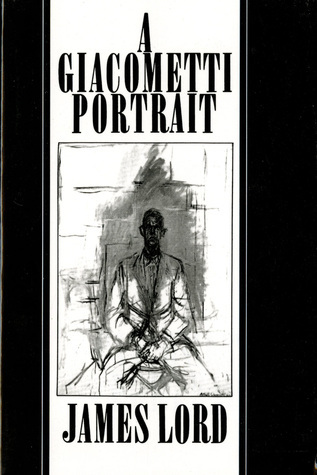
"A Giacometti Portrait" chronicles the intense and often frustrating experience of sitting for a portrait by the renowned sculptor Alberto Giacometti. James Lord meticulously documents the multi-day process, delving into Giacometti's erratic working methods, his philosophical musings on art and existence, and the deep psychological toll sitting for a portrait takes on both artist and subject. It's a profound exploration of artistic creation, perception, and the elusive nature of capturing a human likeness.
This book shares thematic and structural similarities with "Camille Claudel" by Anne Delbée. Both works offer intimate, almost voyeuristic, perspectives into the lives and creative struggles of significant artists. They eschew traditional biography for deep dives into specific periods or experiences, revealing the artists' personalities, their dedication, and the sometimes-tormented paths they navigated in pursuit of their art. The focus on the internal world of the artist, rather than just their external achievements, is a strong common thread.
This offers a compelling read for those interested in the nature of artistic genius, the creative process, and the complexities of human relationships. Its detailed observations provide unique insights into Giacometti’s mind and methods. The profound reflections on art, identity, and the human condition elevate it beyond a simple memoir, making it a valuable exploration of artistic dedication and the challenges inherent in all meaningful creation.
A Giacometti Portrait
"A Giacometti Portrait" chronicles the intense and often frustrating experience of sitting for a portrait by the renowned sculptor Alberto Giacometti. James Lord meticulously documents the multi-day process, delving into Giacometti's erratic working methods, his philosophical musings on art and existence, and the deep psychological toll sitting for a portrait takes on both artist and subject. It's a profound exploration of artistic creation, perception, and the elusive nature of capturing a human likeness.
This book shares thematic and structural similarities with "Camille Claudel" by Anne Delbée. Both works offer intimate, almost voyeuristic, perspectives into the lives and creative struggles of significant artists. They eschew traditional biography for deep dives into specific periods or experiences, revealing the artists' personalities, their dedication, and the sometimes-tormented paths they navigated in pursuit of their art. The focus on the internal world of the artist, rather than just their external achievements, is a strong common thread.
This offers a compelling read for those interested in the nature of artistic genius, the creative process, and the complexities of human relationships. Its detailed observations provide unique insights into Giacometti’s mind and methods. The profound reflections on art, identity, and the human condition elevate it beyond a simple memoir, making it a valuable exploration of artistic dedication and the challenges inherent in all meaningful creation.
Radioactive: Marie and Pierre Curie, A Tale of Love and Fallout
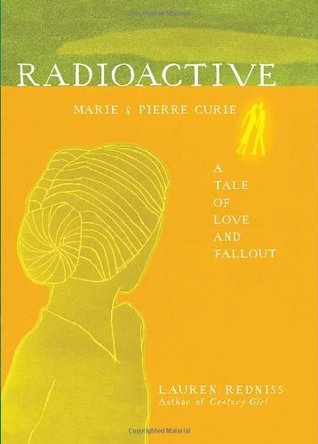
"Radioactive: Marie and Pierre Curie, A Tale of Love and Fallout" unfurls the dramatic lives of Marie and Pierre Curie, chronicling their intertwined personal and scientific journeys. Redniss uses a unique blend of graphic novel, biography, and archival material to explore their pioneering work in radioactivity, the intense passion of their relationship, and the profound, often tragic, legacy of their discoveries on science and society.
This book resonates with "Camille Claudel" through its focus on a brilliant, driven woman navigating a male-dominated field in a restrictive historical era. Both works delve into the personal cost of extraordinary dedication to one’s art or science, exploring themes of passion, sacrifice, societal judgment, and the indelible mark left on the world by their subjects. Both protagonists encounter formidable challenges to their artistic or scientific pursuits.
Its innovative format and compelling narrative offer a powerful exploration of scientific discovery, romantic partnership, and the complexities of human ambition. The visual storytelling enhances the emotional impact, making the scientific breakthroughs and personal struggles deeply accessible and engaging. This renders a nuanced portrayal of genius and its consequences.
Radioactive: Marie and Pierre Curie, A Tale of Love and Fallout
"Radioactive: Marie and Pierre Curie, A Tale of Love and Fallout" unfurls the dramatic lives of Marie and Pierre Curie, chronicling their intertwined personal and scientific journeys. Redniss uses a unique blend of graphic novel, biography, and archival material to explore their pioneering work in radioactivity, the intense passion of their relationship, and the profound, often tragic, legacy of their discoveries on science and society.
This book resonates with "Camille Claudel" through its focus on a brilliant, driven woman navigating a male-dominated field in a restrictive historical era. Both works delve into the personal cost of extraordinary dedication to one’s art or science, exploring themes of passion, sacrifice, societal judgment, and the indelible mark left on the world by their subjects. Both protagonists encounter formidable challenges to their artistic or scientific pursuits.
Its innovative format and compelling narrative offer a powerful exploration of scientific discovery, romantic partnership, and the complexities of human ambition. The visual storytelling enhances the emotional impact, making the scientific breakthroughs and personal struggles deeply accessible and engaging. This renders a nuanced portrayal of genius and its consequences.
Memoirs of a Dutiful Daughter
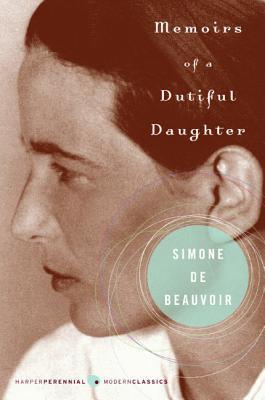
Simone de Beauvoir's "Memoirs of a Dutiful Daughter" chronicles her formative years, from childhood through her early twenties, detailing her intellectual awakening, rebellion against bourgeois conventions, and the development of her philosophical and feminist thought. It’s an unflinching examination of self-discovery, societal pressures, and the forging of an unconventional identity.
This memoir resonates with Delbée's "Camille Claudel" through their shared exploration of prodigious female talent struggling within and ultimately defying patriarchal societal structures. Both texts portray women driven by immense artistic or intellectual passion, facing significant resistance to their ambition and nonconformity, and ultimately defining themselves against prevailing expectations of womanhood.
This book offers a profound insight into the psychological and intellectual journey of a pivotal 20th-century figure. Its candid introspection into societal limitations and the pursuit of self-realization provides a valuable historical and philosophical perspective, sparking reflection on personal agency and the evolution of identity.
Memoirs of a Dutiful Daughter
Simone de Beauvoir's "Memoirs of a Dutiful Daughter" chronicles her formative years, from childhood through her early twenties, detailing her intellectual awakening, rebellion against bourgeois conventions, and the development of her philosophical and feminist thought. It’s an unflinching examination of self-discovery, societal pressures, and the forging of an unconventional identity.
This memoir resonates with Delbée's "Camille Claudel" through their shared exploration of prodigious female talent struggling within and ultimately defying patriarchal societal structures. Both texts portray women driven by immense artistic or intellectual passion, facing significant resistance to their ambition and nonconformity, and ultimately defining themselves against prevailing expectations of womanhood.
This book offers a profound insight into the psychological and intellectual journey of a pivotal 20th-century figure. Its candid introspection into societal limitations and the pursuit of self-realization provides a valuable historical and philosophical perspective, sparking reflection on personal agency and the evolution of identity.
Marie Antoinette: The Journey

Antonia Fraser's "Marie Antoinette: The Journey" meticulously chronicles the life of the infamous French queen, from her Austrian upbringing as a Hapsburg Archduchess to her tragic execution during the French Revolution. It’s a deeply researched biography, presenting her as a complex figure, largely a product of a rigid court and escalating political pressures, rather than simply a frivolous monarch.
The book’s similarity to Delbée’s "Camille Claudel" lies in its compelling portrayal of a remarkable woman navigating restrictive societal expectations and monumental historical forces. Both biographies delve into lives marked by extraordinary talent or position, only to be profoundly shaped, and ultimately undone, by external pressures, institutional rigidity, and personal vulnerabilities. They explore how powerful women, though in different eras and circumstances, grappled with autonomy, reputation, and tragic fates often amplified by societal scrutiny.
This biography offers a compelling narrative of personal agency against the backdrop of immense historical upheaval. It provides insights into the intricate dynamics of power, gender roles, and public perception during a pivotal historical era, and will resonate with those interested in richly detailed historical narratives and the lives of women who, for better or worse, left an indelible mark on history.
Marie Antoinette: The Journey
Antonia Fraser's "Marie Antoinette: The Journey" meticulously chronicles the life of the infamous French queen, from her Austrian upbringing as a Hapsburg Archduchess to her tragic execution during the French Revolution. It’s a deeply researched biography, presenting her as a complex figure, largely a product of a rigid court and escalating political pressures, rather than simply a frivolous monarch.
The book’s similarity to Delbée’s "Camille Claudel" lies in its compelling portrayal of a remarkable woman navigating restrictive societal expectations and monumental historical forces. Both biographies delve into lives marked by extraordinary talent or position, only to be profoundly shaped, and ultimately undone, by external pressures, institutional rigidity, and personal vulnerabilities. They explore how powerful women, though in different eras and circumstances, grappled with autonomy, reputation, and tragic fates often amplified by societal scrutiny.
This biography offers a compelling narrative of personal agency against the backdrop of immense historical upheaval. It provides insights into the intricate dynamics of power, gender roles, and public perception during a pivotal historical era, and will resonate with those interested in richly detailed historical narratives and the lives of women who, for better or worse, left an indelible mark on history.
More Books to Explore
Discover more titles that expand on these ideas and themes.
Henry Miller: The Paris Years
Simone de Beauvoir: A Biography
The Journal of Eugene Delacroix
Strapless: John Singer Sargent and the Fall of Madame X
Beauty and the Beast: Diary of a Film
Prime of Life