10 Books Similar to "Braving the Wilderness"
by Brené Brown

Daring Greatly: How the Courage to Be Vulnerable Transforms the Way We Live, Love, Parent, and Lead
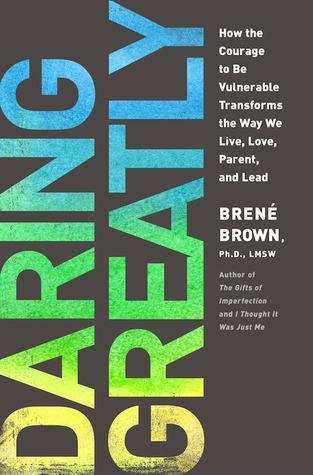
"Daring Greatly" explores the transformative power of vulnerability. Brené Brown argues that embracing our imperfections and showing up fully, even when there are no guarantees, is essential for truly living and connecting with others. She outlines how vulnerability isn't weakness, but rather the birthplace of courage, compassion, and connection in our personal and professional lives.
This work resonates strongly with "Braving the Wilderness" because both books champion the idea of standing alone and staying true to oneself amidst societal pressures. While "Braving the Wilderness" focuses on belonging to oneself, "Daring Greatly" lays the foundational understanding of how vulnerability is necessary to cultivate that authentic "self" and then to genuinely connect with others from that place of integrity. Both emphasize courage in the face of discomfort.
The authentic and practical insights offered will appeal to anyone seeking to deepen their relationships, enhance their leadership, or simply live a more wholehearted life. It provides actionable frameworks for embracing vulnerability as a strength, fostering resilience, and ultimately cultivating deeper meaning and connection in a world that often encourages emotional guardedness.
Daring Greatly: How the Courage to Be Vulnerable Transforms the Way We Live, Love, Parent, and Lead
"Daring Greatly" explores the transformative power of vulnerability. Brené Brown argues that embracing our imperfections and showing up fully, even when there are no guarantees, is essential for truly living and connecting with others. She outlines how vulnerability isn't weakness, but rather the birthplace of courage, compassion, and connection in our personal and professional lives.
This work resonates strongly with "Braving the Wilderness" because both books champion the idea of standing alone and staying true to oneself amidst societal pressures. While "Braving the Wilderness" focuses on belonging to oneself, "Daring Greatly" lays the foundational understanding of how vulnerability is necessary to cultivate that authentic "self" and then to genuinely connect with others from that place of integrity. Both emphasize courage in the face of discomfort.
The authentic and practical insights offered will appeal to anyone seeking to deepen their relationships, enhance their leadership, or simply live a more wholehearted life. It provides actionable frameworks for embracing vulnerability as a strength, fostering resilience, and ultimately cultivating deeper meaning and connection in a world that often encourages emotional guardedness.
The Power of Vulnerability: Teachings of Authenticity, Connections and Courage

"The Power of Vulnerability" distills Brené Brown's groundbreaking research into the profound strength found in embracing imperfection, shame, and fear. It argues that true connection and a wholehearted life emerge not from shielding ourselves from emotional exposure, but from leaning into our vulnerability. Brown illustrates how shedding the armor of perceived inadequacy allows for genuine authenticity and courage to flourish in our relationships and personal growth.
This book shares a foundational ethos with "Braving the Wilderness" in its exploration of belonging and courage. Both texts champion the idea that true belonging isn't about fitting in or approval, but about standing alone, if necessary, anchored in one's authentic self. The vulnerability discussed in "The Power of Vulnerability" is a prerequisite for the "braving" of the wilderness—the challenging journey of cultivating self-respect and standing for one's values even when isolated.
This work appeals to individuals seeking deeper, more meaningful lives and relationships. Its insights offer a powerful framework for understanding and dismantling the barriers to authentic connection and personal resilience. The practical applications of embracing vulnerability provide a pathway to greater empathy, more fulfilling interactions, and a stronger sense of self-worth.
The Power of Vulnerability: Teachings of Authenticity, Connections and Courage
"The Power of Vulnerability" distills Brené Brown's groundbreaking research into the profound strength found in embracing imperfection, shame, and fear. It argues that true connection and a wholehearted life emerge not from shielding ourselves from emotional exposure, but from leaning into our vulnerability. Brown illustrates how shedding the armor of perceived inadequacy allows for genuine authenticity and courage to flourish in our relationships and personal growth.
This book shares a foundational ethos with "Braving the Wilderness" in its exploration of belonging and courage. Both texts champion the idea that true belonging isn't about fitting in or approval, but about standing alone, if necessary, anchored in one's authentic self. The vulnerability discussed in "The Power of Vulnerability" is a prerequisite for the "braving" of the wilderness—the challenging journey of cultivating self-respect and standing for one's values even when isolated.
This work appeals to individuals seeking deeper, more meaningful lives and relationships. Its insights offer a powerful framework for understanding and dismantling the barriers to authentic connection and personal resilience. The practical applications of embracing vulnerability provide a pathway to greater empathy, more fulfilling interactions, and a stronger sense of self-worth.
Dare to Lead
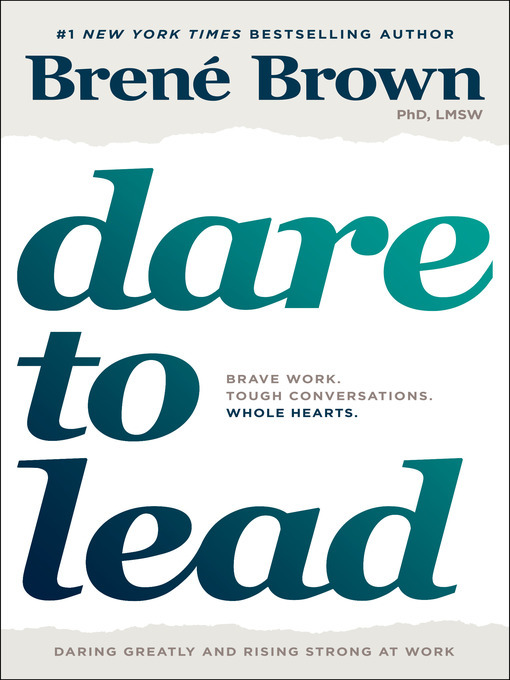
"Dare to Lead" translates Brené Brown's extensive research on vulnerability, courage, and shame into a practical framework for effective leadership. It argues that true leadership isn't about power or control, but about embracing daring behaviors like emotional literacy, honest feedback, and fostering a culture of trust and personal growth within organizations. The book offers actionable strategies for developing these skills, emphasizing that vulnerability is not a weakness but a prerequisite for brave and impactful leadership.
Both "Dare to Lead" and "Braving the Wilderness" champion the courage to stand alone and define personal values. While "Braving the Wilderness" focuses on finding true belonging in an increasingly polarized world, "Dare to Lead" applies these same principles to professional environments, urging leaders to foster belonging and authenticity within their teams. They share the foundational philosophy that integrity and vulnerability are essential for navigating complex social landscapes, whether personal or professional.
This book will appeal to anyone seeking to cultivate more effective and human-centered leadership, whether they manage teams or simply aspire to lead their own lives with greater integrity. It provides concrete tools and a compelling argument for moving beyond conventional, fear-based leadership models, offering a path to building stronger, more innovative, and more connected work cultures. The insights provided can profoundly shift perspectives on what it means to truly lead and belong.
Dare to Lead
"Dare to Lead" translates Brené Brown's extensive research on vulnerability, courage, and shame into a practical framework for effective leadership. It argues that true leadership isn't about power or control, but about embracing daring behaviors like emotional literacy, honest feedback, and fostering a culture of trust and personal growth within organizations. The book offers actionable strategies for developing these skills, emphasizing that vulnerability is not a weakness but a prerequisite for brave and impactful leadership.
Both "Dare to Lead" and "Braving the Wilderness" champion the courage to stand alone and define personal values. While "Braving the Wilderness" focuses on finding true belonging in an increasingly polarized world, "Dare to Lead" applies these same principles to professional environments, urging leaders to foster belonging and authenticity within their teams. They share the foundational philosophy that integrity and vulnerability are essential for navigating complex social landscapes, whether personal or professional.
This book will appeal to anyone seeking to cultivate more effective and human-centered leadership, whether they manage teams or simply aspire to lead their own lives with greater integrity. It provides concrete tools and a compelling argument for moving beyond conventional, fear-based leadership models, offering a path to building stronger, more innovative, and more connected work cultures. The insights provided can profoundly shift perspectives on what it means to truly lead and belong.
The Gifts of Imperfection

"The Gifts of Imperfection" explores the courage, compassion, and connection essential for living a wholehearted life. Brené Brown dismantles societal pressures to be perfect, instead advocating for embracing our vulnerabilities and imperfections as pathways to greater authenticity and self-acceptance. It's a foundational text on understanding shame, cultivating self-worth, and fostering genuine relationships.
This book resonates deeply with "Braving the Wilderness" because both works champion true belonging, not through fitting in, but by standing firm in one's authentic self. They share a core message about cultivating inner strength to navigate a world that often demands conformity, emphasizing vulnerability as a source of power and connection rather than a weakness. Both ultimately guide individuals toward a more integrated and meaningful existence.
The appeal of "The Gifts of Imperfection" lies in its practical framework for personal growth and its empowering message. It offers actionable insights and a compassionate lens to view human experience, helping individuals shed the burden of inadequacy and step into a more courageous, resilient, and connected way of being. Its guidance provides lasting value in fostering self-compassion and genuine connection.
The Gifts of Imperfection
"The Gifts of Imperfection" explores the courage, compassion, and connection essential for living a wholehearted life. Brené Brown dismantles societal pressures to be perfect, instead advocating for embracing our vulnerabilities and imperfections as pathways to greater authenticity and self-acceptance. It's a foundational text on understanding shame, cultivating self-worth, and fostering genuine relationships.
This book resonates deeply with "Braving the Wilderness" because both works champion true belonging, not through fitting in, but by standing firm in one's authentic self. They share a core message about cultivating inner strength to navigate a world that often demands conformity, emphasizing vulnerability as a source of power and connection rather than a weakness. Both ultimately guide individuals toward a more integrated and meaningful existence.
The appeal of "The Gifts of Imperfection" lies in its practical framework for personal growth and its empowering message. It offers actionable insights and a compassionate lens to view human experience, helping individuals shed the burden of inadequacy and step into a more courageous, resilient, and connected way of being. Its guidance provides lasting value in fostering self-compassion and genuine connection.
Rising Strong: The Reckoning. The Rumble. The Revolution
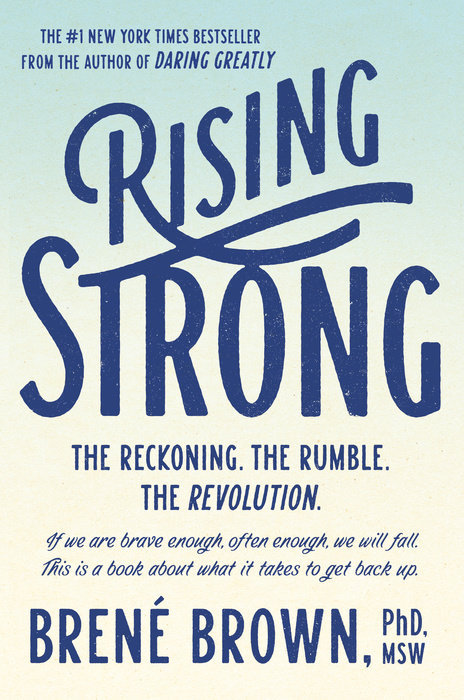
"Rising Strong" delves into the process of recovering from setbacks, failures, and disappointments. Brown introduces her "reckoning, rumble, revolution" framework, guiding individuals through acknowledging their emotions, confronting the narratives they create about their experiences, and ultimately learning from vulnerability to rise stronger after a fall. It's a practical and empathetic guide to understanding how to integrate difficult experiences into personal growth.
Both books share Brown's signature blend of research-backed insights and personal anecdotes, focusing on the courage required for authentic living. "Braving the Wilderness" explores the concept of true belonging and standing alone, while "Rising Strong" offers the practical tools to navigate the inevitable challenges that arise when choosing that brave path. Both emphasize the importance of vulnerability and resilience in cultivating a wholehearted life.
This book will resonate with anyone seeking a roadmap for navigating adversity and transforming personal failures into opportunities for strength. It offers actionable strategies for emotional processing and provides a compassionate perspective on human imperfection. Its insights are invaluable for cultivating greater self-awareness and fostering a more resilient personal and professional life.
Rising Strong: The Reckoning. The Rumble. The Revolution
"Rising Strong" delves into the process of recovering from setbacks, failures, and disappointments. Brown introduces her "reckoning, rumble, revolution" framework, guiding individuals through acknowledging their emotions, confronting the narratives they create about their experiences, and ultimately learning from vulnerability to rise stronger after a fall. It's a practical and empathetic guide to understanding how to integrate difficult experiences into personal growth.
Both books share Brown's signature blend of research-backed insights and personal anecdotes, focusing on the courage required for authentic living. "Braving the Wilderness" explores the concept of true belonging and standing alone, while "Rising Strong" offers the practical tools to navigate the inevitable challenges that arise when choosing that brave path. Both emphasize the importance of vulnerability and resilience in cultivating a wholehearted life.
This book will resonate with anyone seeking a roadmap for navigating adversity and transforming personal failures into opportunities for strength. It offers actionable strategies for emotional processing and provides a compassionate perspective on human imperfection. Its insights are invaluable for cultivating greater self-awareness and fostering a more resilient personal and professional life.
Atlas of the Heart: Mapping Meaningful Connection and the Language of Human Experience
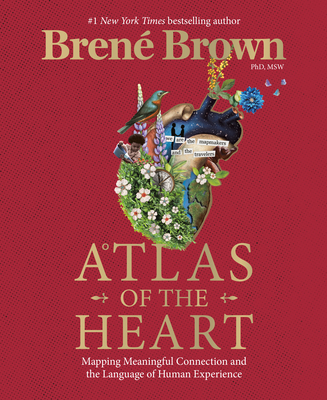
*Atlas of the Heart* explores 87 emotions and experiences that define what it means to be human. Brené Brown guides us through the intricate landscape of our inner lives, providing a precise vocabulary and contextual understanding for feelings ranging from awe to vulnerability, resentment to compassion. It's a powerful tool for self-awareness and fostering deeper connections with others by understanding the language of our shared human experience.
This book shares foundational themes with *Braving the Wilderness* through its emphasis on connection, belonging, and the courage required for genuine self-expression. Both works champion the idea that true belonging starts within, requiring us to stand firm in our values and embrace our authentic selves, even when it feels challenging. While *Braving the Wilderness* focuses on the courage to be alone amidst many, *Atlas of the Heart* provides the lexicon to navigate the emotional terrains we encounter on that journey.
This work will resonate deeply with those seeking a more nuanced understanding of their emotional world and how it impacts their relationships. It offers practical insights and a common language for discussing complex feelings, enriching personal growth and improving communication. The precise definitions and illustrative narratives equip individuals to better articulate their experiences and navigate challenging emotions, leading to greater empathy and more meaningful connections in their lives.
Atlas of the Heart: Mapping Meaningful Connection and the Language of Human Experience
*Atlas of the Heart* explores 87 emotions and experiences that define what it means to be human. Brené Brown guides us through the intricate landscape of our inner lives, providing a precise vocabulary and contextual understanding for feelings ranging from awe to vulnerability, resentment to compassion. It's a powerful tool for self-awareness and fostering deeper connections with others by understanding the language of our shared human experience.
This book shares foundational themes with *Braving the Wilderness* through its emphasis on connection, belonging, and the courage required for genuine self-expression. Both works champion the idea that true belonging starts within, requiring us to stand firm in our values and embrace our authentic selves, even when it feels challenging. While *Braving the Wilderness* focuses on the courage to be alone amidst many, *Atlas of the Heart* provides the lexicon to navigate the emotional terrains we encounter on that journey.
This work will resonate deeply with those seeking a more nuanced understanding of their emotional world and how it impacts their relationships. It offers practical insights and a common language for discussing complex feelings, enriching personal growth and improving communication. The precise definitions and illustrative narratives equip individuals to better articulate their experiences and navigate challenging emotions, leading to greater empathy and more meaningful connections in their lives.
I Thought It Was Just Me: Women Reclaiming Power and Courage in a Culture of Shame

"I Thought It Was Just Me" explores the pervasive nature of shame, particularly how it impacts women, and offers a path toward reclaiming authentic self-worth. Brown delves into the cultural messages that foster shame and isolation, explaining how these feelings can prevent individuals from connecting genuinely with others and living wholeheartedly. The book champions vulnerability and self-compassion as essential tools for dismantling shame and fostering resilience.
This book shares foundational themes with "Braving the Wilderness," particularly the concept of true belonging residing within oneself rather than through external validation or fitting in. Both works emphasize the courage required to stand true to one's values and beliefs, even when it means navigating discomfort or isolation. They both advocate for a form of wilderness – an internal space of genuine self-acceptance – where one can find strength and connection despite societal pressures.
Anyone interested in understanding the emotional landscape of shame and its antidote will discover profound insights. This book empowers individuals to recognize and challenge the sources of their self-doubt, offering practical pathways to greater self-acceptance and more authentic relationships. It provides a compassionate lens through which to view personal struggles, ultimately fostering a sense of shared humanity and inspiring a journey toward personal liberation.
I Thought It Was Just Me: Women Reclaiming Power and Courage in a Culture of Shame
"I Thought It Was Just Me" explores the pervasive nature of shame, particularly how it impacts women, and offers a path toward reclaiming authentic self-worth. Brown delves into the cultural messages that foster shame and isolation, explaining how these feelings can prevent individuals from connecting genuinely with others and living wholeheartedly. The book champions vulnerability and self-compassion as essential tools for dismantling shame and fostering resilience.
This book shares foundational themes with "Braving the Wilderness," particularly the concept of true belonging residing within oneself rather than through external validation or fitting in. Both works emphasize the courage required to stand true to one's values and beliefs, even when it means navigating discomfort or isolation. They both advocate for a form of wilderness – an internal space of genuine self-acceptance – where one can find strength and connection despite societal pressures.
Anyone interested in understanding the emotional landscape of shame and its antidote will discover profound insights. This book empowers individuals to recognize and challenge the sources of their self-doubt, offering practical pathways to greater self-acceptance and more authentic relationships. It provides a compassionate lens through which to view personal struggles, ultimately fostering a sense of shared humanity and inspiring a journey toward personal liberation.
Let's All Be Brave: Living Life with Everything You Have
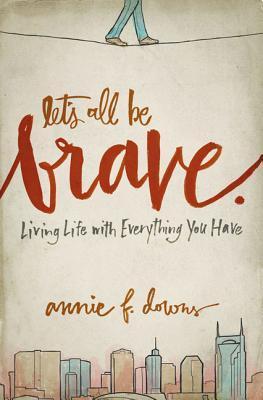
"Let's All Be Brave" by Annie F. Downs explores the idea that embracing courage, even in small acts, transforms our lives. It’s a call to honest self-reflection and recognizing the inherent strength within each of us, encouraging proactive engagement with fears and vulnerabilities rather than avoidance. Downs shares personal anecdotes and relatable insights to illustrate how choosing bravery can lead to a more authentic and fulfilling existence.
This book shares significant thematic overlap with "Braving the Wilderness." Both challenge the notion of fitting in, advocating instead for the power of standing alone and embracing one's unique identity. They emphasize that true belonging comes from within, cultivated through self-acceptance and a willingness to be vulnerable, often in the face of societal pressures or personal discomfort. Both authors encourage readers to step beyond their comfort zones to live more wholeheartedly.
This book offers a compelling roadmap for personal growth, reminding us that bravery isn't limited to grand gestures but found in everyday choices. Its practical advice and empathetic tone make it an invaluable guide for anyone seeking to overcome self-doubt, connect more deeply with their authentic self, and live a life guided by purpose and courage.
Let's All Be Brave: Living Life with Everything You Have
"Let's All Be Brave" by Annie F. Downs explores the idea that embracing courage, even in small acts, transforms our lives. It’s a call to honest self-reflection and recognizing the inherent strength within each of us, encouraging proactive engagement with fears and vulnerabilities rather than avoidance. Downs shares personal anecdotes and relatable insights to illustrate how choosing bravery can lead to a more authentic and fulfilling existence.
This book shares significant thematic overlap with "Braving the Wilderness." Both challenge the notion of fitting in, advocating instead for the power of standing alone and embracing one's unique identity. They emphasize that true belonging comes from within, cultivated through self-acceptance and a willingness to be vulnerable, often in the face of societal pressures or personal discomfort. Both authors encourage readers to step beyond their comfort zones to live more wholeheartedly.
This book offers a compelling roadmap for personal growth, reminding us that bravery isn't limited to grand gestures but found in everyday choices. Its practical advice and empathetic tone make it an invaluable guide for anyone seeking to overcome self-doubt, connect more deeply with their authentic self, and live a life guided by purpose and courage.
Brave, Not Perfect: Fear Less, Fail More, and Live Bolder
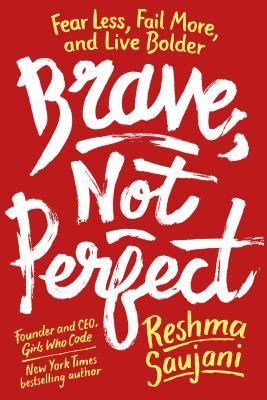
"Brave, Not Perfect" by Reshma Saujani challenges the societal conditioning that encourages women to strive for unattainable perfection, often at the expense of taking risks and embracing failure. Saujani advocates for a shift in mindset, encouraging individuals to prioritize courage and action over flawless execution, ultimately leading to a more fulfilling and impactful life.
This book shares a core philosophical alignment with Brené Brown's "Braving the Wilderness" in its emphasis on authenticity, courage, and finding strength in vulnerability. Both authors explore the discomfort of stepping outside conventional norms and the personal liberation that comes from embracing one's true self, even when it feels exposed or imperfect. They champion the idea of inner resilience as a pathway to connection and purpose.
The appeal of "Brave, Not Perfect" lies in its actionable framework for personal growth and empowerment. It offers a compelling argument for redefining success and provides a practical guide for overcoming the fear of inadequacy. Its message of embracing imperfection and courageous action will resonate deeply with those seeking to unlock their full potential and live a life driven by impact rather than fear of judgment.
Brave, Not Perfect: Fear Less, Fail More, and Live Bolder
"Brave, Not Perfect" by Reshma Saujani challenges the societal conditioning that encourages women to strive for unattainable perfection, often at the expense of taking risks and embracing failure. Saujani advocates for a shift in mindset, encouraging individuals to prioritize courage and action over flawless execution, ultimately leading to a more fulfilling and impactful life.
This book shares a core philosophical alignment with Brené Brown's "Braving the Wilderness" in its emphasis on authenticity, courage, and finding strength in vulnerability. Both authors explore the discomfort of stepping outside conventional norms and the personal liberation that comes from embracing one's true self, even when it feels exposed or imperfect. They champion the idea of inner resilience as a pathway to connection and purpose.
The appeal of "Brave, Not Perfect" lies in its actionable framework for personal growth and empowerment. It offers a compelling argument for redefining success and provides a practical guide for overcoming the fear of inadequacy. Its message of embracing imperfection and courageous action will resonate deeply with those seeking to unlock their full potential and live a life driven by impact rather than fear of judgment.
Find Your People: Building Deep Community in a Lonely World
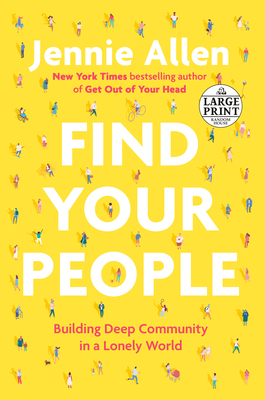
"Find Your People" tackles the widespread experience of loneliness, arguing that superficial connections fail to satisfy our innate need for authentic belonging. Jennie Allen guides individuals on how to intentionally cultivate deep, meaningful community by embracing vulnerability and moving beyond passive engagement to actively pursue connection.
This book shares a core philosophical alignment with "Braving the Wilderness" in its emphasis on genuine belonging. Both authors advocate for embracing our authentic selves, even our imperfections, as the foundation for true connection. Where Brown focuses on the courage to stand alone while connected, Allen provides a practical roadmap for building those vital, courageous connections. They both challenge the illusion of connection offered by transient interactions, urging a deeper commitment to self and others.
Individuals drawn to introspection and personal growth will appreciate this book's actionable advice and empathetic tone. It offers a compelling framework for navigating social isolation, providing a sense of agency and empowerment in shaping one's social landscape. The book's practical nature makes it a valuable resource for anyone seeking to enrich their life through more profound and resilient relationships.
Find Your People: Building Deep Community in a Lonely World
"Find Your People" tackles the widespread experience of loneliness, arguing that superficial connections fail to satisfy our innate need for authentic belonging. Jennie Allen guides individuals on how to intentionally cultivate deep, meaningful community by embracing vulnerability and moving beyond passive engagement to actively pursue connection.
This book shares a core philosophical alignment with "Braving the Wilderness" in its emphasis on genuine belonging. Both authors advocate for embracing our authentic selves, even our imperfections, as the foundation for true connection. Where Brown focuses on the courage to stand alone while connected, Allen provides a practical roadmap for building those vital, courageous connections. They both challenge the illusion of connection offered by transient interactions, urging a deeper commitment to self and others.
Individuals drawn to introspection and personal growth will appreciate this book's actionable advice and empathetic tone. It offers a compelling framework for navigating social isolation, providing a sense of agency and empowerment in shaping one's social landscape. The book's practical nature makes it a valuable resource for anyone seeking to enrich their life through more profound and resilient relationships.
More Books to Explore
Discover more titles that expand on these ideas and themes.
Daring Greatly: How the Courage to Be Vulnerable Transforms the Way We Live, Love, Parent, and Lead
The Power of Vulnerability: Teachings of Authenticity, Connections and Courage
Dare to Lead
The Gifts of Imperfection
Rising Strong: The Reckoning. The Rumble. The Revolution
Atlas of the Heart: Mapping Meaningful Connection and the Language of Human Experience