10 Books Similar to "Body Language: How to Read Others' Thoughts by Their Gestures"
by Allan Pease

The Definitive Book of Body Language

"The Definitive Book of Body Language" serves as a comprehensive guide to understanding non-verbal communication. It meticulously breaks down gestures, postures, and facial expressions, explaining their universal meanings and cultural nuances. The book illuminates how individuals unconsciously communicate their true intentions, emotions, and thoughts through their physical actions, often contradicting their spoken words.
This book is essentially an updated and expanded version of Pease’s earlier work, "Body Language: How to Read Others' Thoughts by Their Gestures." It retains the core principles and straightforward approach of the original, offering revised insights, new examples, and a broader scope of non-verbal cues. If you appreciated the foundational concepts of the first book, "The Definitive Book" offers a more complete and refined exploration of the same fascinating subject.
Individuals seeking to enhance their interpersonal communication and perceptive abilities will find this book immensely valuable. It provides practical knowledge applicable in diverse social and professional settings, from improving negotiation skills to fostering deeper personal connections. Understanding these subconscious signals empowers one to interpret interactions more accurately and project a desired image with greater control.
The Definitive Book of Body Language
"The Definitive Book of Body Language" serves as a comprehensive guide to understanding non-verbal communication. It meticulously breaks down gestures, postures, and facial expressions, explaining their universal meanings and cultural nuances. The book illuminates how individuals unconsciously communicate their true intentions, emotions, and thoughts through their physical actions, often contradicting their spoken words.
This book is essentially an updated and expanded version of Pease’s earlier work, "Body Language: How to Read Others' Thoughts by Their Gestures." It retains the core principles and straightforward approach of the original, offering revised insights, new examples, and a broader scope of non-verbal cues. If you appreciated the foundational concepts of the first book, "The Definitive Book" offers a more complete and refined exploration of the same fascinating subject.
Individuals seeking to enhance their interpersonal communication and perceptive abilities will find this book immensely valuable. It provides practical knowledge applicable in diverse social and professional settings, from improving negotiation skills to fostering deeper personal connections. Understanding these subconscious signals empowers one to interpret interactions more accurately and project a desired image with greater control.
Read People Like a Book: How to Analyze, Understand, and Predict People’s Emotions, Thoughts, Intentions, and Behaviors

*Read People Like a Book* acts as a practical guide to decoding human behavior. It delves into the nuances of non-verbal cues, conversational patterns, and psychological principles to help individuals better understand the motivations, emotions, and underlying intentions of others. The book offers actionable strategies for astute observation and interpretation, moving beyond superficial interactions to grasp deeper human truths.
This book shares significant thematic overlap with Allan Pease's *Body Language* due to their mutual focus on non-verbal communication as a key to understanding others. Both works emphasize the importance of observing gestures, expressions, and posture to gain insights that spoken words might obscure. They both posit that a significant portion of human communication is non-verbal and that mastering its interpretation provides a distinct advantage in personal and professional interactions.
The book's appeal stems from its promise of enhanced social intelligence and improved communication. Individuals seeking to navigate complex interpersonal dynamics, build stronger relationships, or even better predict reactions in negotiations will find it highly valuable. It offers practical tools for developing a more perceptive and empathetic understanding of people, fostering more effective interactions and personal growth.
Read People Like a Book: How to Analyze, Understand, and Predict People’s Emotions, Thoughts, Intentions, and Behaviors
*Read People Like a Book* acts as a practical guide to decoding human behavior. It delves into the nuances of non-verbal cues, conversational patterns, and psychological principles to help individuals better understand the motivations, emotions, and underlying intentions of others. The book offers actionable strategies for astute observation and interpretation, moving beyond superficial interactions to grasp deeper human truths.
This book shares significant thematic overlap with Allan Pease's *Body Language* due to their mutual focus on non-verbal communication as a key to understanding others. Both works emphasize the importance of observing gestures, expressions, and posture to gain insights that spoken words might obscure. They both posit that a significant portion of human communication is non-verbal and that mastering its interpretation provides a distinct advantage in personal and professional interactions.
The book's appeal stems from its promise of enhanced social intelligence and improved communication. Individuals seeking to navigate complex interpersonal dynamics, build stronger relationships, or even better predict reactions in negotiations will find it highly valuable. It offers practical tools for developing a more perceptive and empathetic understanding of people, fostering more effective interactions and personal growth.
You Say More Than You Think: Use the New Body Language to Get What You Want!, the 7-day Plan
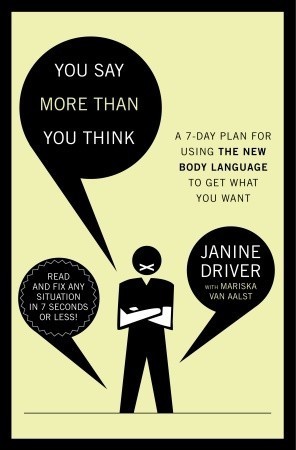
"You Say More Than You Think" by Janine Driver offers a practical, seven-day program for understanding and consciously utilizing nonverbal communication to achieve personal and professional goals. Driver, a former ATF agent, distills complex body language principles into actionable strategies, helping individuals decode common gestures and project desired impressions, ultimately giving them an edge in various social and business interactions.
This book shares fundamental premises with Allan Pease's "Body Language: How to Read Others' Thoughts by Their Gestures" by emphasizing the immense power of nonverbal cues. Both authors meticulously break down common gestures and expressions, advocating for a deeper awareness of the silent messages we send and receive. While Pease focuses on general interpretation, Driver moves into strategic application, making the connection between observation and personal influence more explicit.
The practical, goal-oriented approach will resonate with individuals seeking tangible self-improvement. Its seven-day plan provides a structured, accessible path for acquiring valuable skills in reading people and managing one's own presentation, making it highly applicable for enhancing communication, negotiation, and overall social effectiveness.
You Say More Than You Think: Use the New Body Language to Get What You Want!, the 7-day Plan
"You Say More Than You Think" by Janine Driver offers a practical, seven-day program for understanding and consciously utilizing nonverbal communication to achieve personal and professional goals. Driver, a former ATF agent, distills complex body language principles into actionable strategies, helping individuals decode common gestures and project desired impressions, ultimately giving them an edge in various social and business interactions.
This book shares fundamental premises with Allan Pease's "Body Language: How to Read Others' Thoughts by Their Gestures" by emphasizing the immense power of nonverbal cues. Both authors meticulously break down common gestures and expressions, advocating for a deeper awareness of the silent messages we send and receive. While Pease focuses on general interpretation, Driver moves into strategic application, making the connection between observation and personal influence more explicit.
The practical, goal-oriented approach will resonate with individuals seeking tangible self-improvement. Its seven-day plan provides a structured, accessible path for acquiring valuable skills in reading people and managing one's own presentation, making it highly applicable for enhancing communication, negotiation, and overall social effectiveness.
Why Men Lie and Women Cry : How to Get What You Want Out of Life by Asking
"Why Men Lie and Women Cry" delves into the fundamental communication differences between men and women, exploring the distinct psychological and physiological reasons behind these patterns. Pease offers practical insights into how these ingrained behaviors manifest in relationships, work, and social interactions, ultimately guiding individuals on how to bridge misunderstandings and effectively achieve their desired outcomes through conscious communication strategies.
The similarity to "Body Language: How to Read Others' Thoughts by Their Gestures" lies in both books' core premise: deciphering unspoken cues and understanding underlying human behavior. While "Body Language" focuses on non-verbal signals, "Why Men Lie and Women Cry" dissects the often-unconscious verbal and emotional communication styles unique to each gender. Both texts empower the reader with tools to interpret and respond to these hidden messages, fostering greater comprehension and connection.
This book will appeal to individuals seeking to improve their interpersonal relationships, whether personal or professional. It provides a clear roadmap for identifying and overcoming communication hurdles, leading to more productive discussions, reduced conflict, and a greater sense of mutual understanding. The practical advice and actionable techniques offer tangible benefits for anyone looking to enhance their social intelligence and navigate complex human interactions more effectively.
Why Men Lie and Women Cry : How to Get What You Want Out of Life by Asking
"Why Men Lie and Women Cry" delves into the fundamental communication differences between men and women, exploring the distinct psychological and physiological reasons behind these patterns. Pease offers practical insights into how these ingrained behaviors manifest in relationships, work, and social interactions, ultimately guiding individuals on how to bridge misunderstandings and effectively achieve their desired outcomes through conscious communication strategies.
The similarity to "Body Language: How to Read Others' Thoughts by Their Gestures" lies in both books' core premise: deciphering unspoken cues and understanding underlying human behavior. While "Body Language" focuses on non-verbal signals, "Why Men Lie and Women Cry" dissects the often-unconscious verbal and emotional communication styles unique to each gender. Both texts empower the reader with tools to interpret and respond to these hidden messages, fostering greater comprehension and connection.
This book will appeal to individuals seeking to improve their interpersonal relationships, whether personal or professional. It provides a clear roadmap for identifying and overcoming communication hurdles, leading to more productive discussions, reduced conflict, and a greater sense of mutual understanding. The practical advice and actionable techniques offer tangible benefits for anyone looking to enhance their social intelligence and navigate complex human interactions more effectively.
How to Talk to Anyone: 92 Little Tricks for Big Success in Relationships
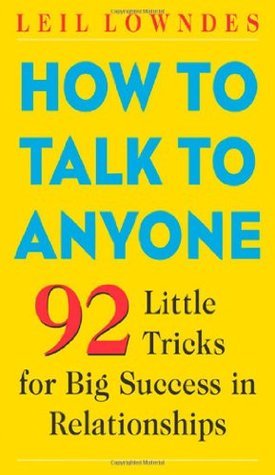
"How to Talk to Anyone" by Leil Lowndes is a practical guide offering actionable communication tactics for mastering social interactions. It distills complex social dynamics into 92 specific "tricks" or techniques designed to enhance one's ability to connect with others, build rapport, and project confidence in various personal and professional settings. From making a strong first impression to engaging in compelling conversations and understanding unspoken cues, the book provides a systematic approach to improving interpersonal effectiveness.
This book shares significant thematic overlap with Allan Pease's "Body Language" because both delve into the nuanced art of non-verbal communication and its impact on how we perceive and are perceived by others. While Pease primarily focuses on *decoding* others' gestures, Lowndes integrates understanding and *applying* non-verbal signals – alongside verbal strategies – to influence interactions, demonstrating a core similarity in their emphasis on the subtext of communication. Both authors dissect fundamental human behaviors to offer strategic insights.
The appeal of "How to Talk to Anyone" lies in its immediate applicability and the promise of tangible improvements in one's social and professional life. The detailed, actionable advice empowers individuals to navigate social situations with greater ease and confidence, leading to stronger relationships, enhanced credibility, and more successful outcomes in networking or negotiation. It equips individuals with the tools to become more charismatic and influential, leveraging subtle behavioral adjustments for significant impact.
How to Talk to Anyone: 92 Little Tricks for Big Success in Relationships
"How to Talk to Anyone" by Leil Lowndes is a practical guide offering actionable communication tactics for mastering social interactions. It distills complex social dynamics into 92 specific "tricks" or techniques designed to enhance one's ability to connect with others, build rapport, and project confidence in various personal and professional settings. From making a strong first impression to engaging in compelling conversations and understanding unspoken cues, the book provides a systematic approach to improving interpersonal effectiveness.
This book shares significant thematic overlap with Allan Pease's "Body Language" because both delve into the nuanced art of non-verbal communication and its impact on how we perceive and are perceived by others. While Pease primarily focuses on *decoding* others' gestures, Lowndes integrates understanding and *applying* non-verbal signals – alongside verbal strategies – to influence interactions, demonstrating a core similarity in their emphasis on the subtext of communication. Both authors dissect fundamental human behaviors to offer strategic insights.
The appeal of "How to Talk to Anyone" lies in its immediate applicability and the promise of tangible improvements in one's social and professional life. The detailed, actionable advice empowers individuals to navigate social situations with greater ease and confidence, leading to stronger relationships, enhanced credibility, and more successful outcomes in networking or negotiation. It equips individuals with the tools to become more charismatic and influential, leveraging subtle behavioral adjustments for significant impact.
Flirting for Success: The Art of Building Rapport
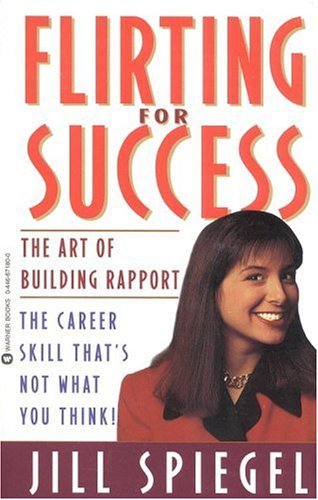
"Flirting for Success: The Art of Building Rapport" by Jill Spiegel explores the nuanced art of creating genuine connections through verbal and non-verbal communication. It goes beyond romantic implications, focusing on how seemingly subtle social interactions, often associated with "flirting," are powerful tools for establishing trust, conveying interest, and fostering effective communication in all spheres of life – professional, personal, and social.
This book shares conceptual groundwork with Allan Pease's "Body Language" by dissecting the unspoken cues that govern our interactions. Both texts emphasize observing and understanding human behavior to gain insight into others' intentions and fostering better communication. While Pease primarily decodes existing signals, Spiegel actively teaches how to *utilize* these signals, along with verbal techniques, to intentionally build positive rapport.
Its appeal lies in its practical application. Individuals seeking to enhance their interpersonal skills, whether for career advancement, social networking, or more successful personal relationships, will find actionable strategies. The book's focus on proactive engagement and building empathetic connections through subtle yet powerful communication techniques offers a valuable toolkit for navigating a complex social landscape.
Flirting for Success: The Art of Building Rapport
"Flirting for Success: The Art of Building Rapport" by Jill Spiegel explores the nuanced art of creating genuine connections through verbal and non-verbal communication. It goes beyond romantic implications, focusing on how seemingly subtle social interactions, often associated with "flirting," are powerful tools for establishing trust, conveying interest, and fostering effective communication in all spheres of life – professional, personal, and social.
This book shares conceptual groundwork with Allan Pease's "Body Language" by dissecting the unspoken cues that govern our interactions. Both texts emphasize observing and understanding human behavior to gain insight into others' intentions and fostering better communication. While Pease primarily decodes existing signals, Spiegel actively teaches how to *utilize* these signals, along with verbal techniques, to intentionally build positive rapport.
Its appeal lies in its practical application. Individuals seeking to enhance their interpersonal skills, whether for career advancement, social networking, or more successful personal relationships, will find actionable strategies. The book's focus on proactive engagement and building empathetic connections through subtle yet powerful communication techniques offers a valuable toolkit for navigating a complex social landscape.
How to Analyze People on Sight

"How to Analyze People on Sight" by Elsie Lincoln Benedict offers a fascinating look into early 20th-century personality analysis, positing that physical traits directly correlate to an individual's character, tendencies, and vocational aptitudes. It categorizes people into distinct types based on their body shapes and facial features, providing clear, almost prescriptive, interpretations of their inherent strengths and weaknesses, and how best to interact with them for optimal results.
This book shares thematic DNA with Allan Pease's "Body Language" by aiming to decode human behavior and intentions through observation. Both works endeavor to equip the individual with practical tools for understanding others, moving beyond superficial interactions to grasp underlying motivations and communication styles, albeit through different analytical frameworks and scientific rigor.
The enduring appeal of Benedict's work lies in its promise of immediate, actionable insight into human nature. It provides a unique lens through which to view and interpret people, fostering a deeper understanding of interpersonal dynamics and enhancing one's ability to navigate social and professional landscapes more effectively. Its historical perspective on personality assessment also offers a valuable glimpse into evolving psychological thought.
How to Analyze People on Sight
"How to Analyze People on Sight" by Elsie Lincoln Benedict offers a fascinating look into early 20th-century personality analysis, positing that physical traits directly correlate to an individual's character, tendencies, and vocational aptitudes. It categorizes people into distinct types based on their body shapes and facial features, providing clear, almost prescriptive, interpretations of their inherent strengths and weaknesses, and how best to interact with them for optimal results.
This book shares thematic DNA with Allan Pease's "Body Language" by aiming to decode human behavior and intentions through observation. Both works endeavor to equip the individual with practical tools for understanding others, moving beyond superficial interactions to grasp underlying motivations and communication styles, albeit through different analytical frameworks and scientific rigor.
The enduring appeal of Benedict's work lies in its promise of immediate, actionable insight into human nature. It provides a unique lens through which to view and interpret people, fostering a deeper understanding of interpersonal dynamics and enhancing one's ability to navigate social and professional landscapes more effectively. Its historical perspective on personality assessment also offers a valuable glimpse into evolving psychological thought.
Knowing People: The Personal Use of Social Psychology
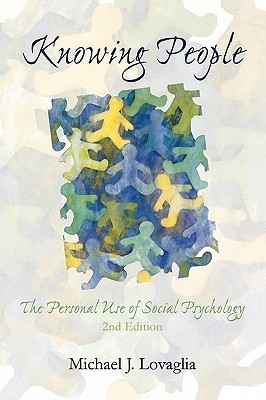
"Knowing People: The Personal Use of Social Psychology" delves into the practical applications of social psychology principles in everyday life. It explores how our perceptions, biases, and group dynamics influence our interactions, ultimately helping us better understand ourselves and others. The book translates complex academic concepts into actionable insights for navigating social situations more effectively.
This book shares common ground with "Body Language: How to Read Others' Thoughts by Their Gestures" by offering tools for deciphering human behavior. While Pease focuses on non-verbal cues, Lovaglia broadens the scope to encompass the psychological underpinnings of social interaction, including cognitive biases and social influence. Both aim to enhance one's ability to interpret and anticipate others' actions and motivations.
Individuals seeking to sharpen their social intelligence and improve their interpersonal communication will appreciate this resource. It provides a framework for understanding why people think and act the way they do, fostering more effective communication, conflict resolution, and leadership. The practical insights offered can significantly enhance personal and professional relationships.
Knowing People: The Personal Use of Social Psychology
"Knowing People: The Personal Use of Social Psychology" delves into the practical applications of social psychology principles in everyday life. It explores how our perceptions, biases, and group dynamics influence our interactions, ultimately helping us better understand ourselves and others. The book translates complex academic concepts into actionable insights for navigating social situations more effectively.
This book shares common ground with "Body Language: How to Read Others' Thoughts by Their Gestures" by offering tools for deciphering human behavior. While Pease focuses on non-verbal cues, Lovaglia broadens the scope to encompass the psychological underpinnings of social interaction, including cognitive biases and social influence. Both aim to enhance one's ability to interpret and anticipate others' actions and motivations.
Individuals seeking to sharpen their social intelligence and improve their interpersonal communication will appreciate this resource. It provides a framework for understanding why people think and act the way they do, fostering more effective communication, conflict resolution, and leadership. The practical insights offered can significantly enhance personal and professional relationships.
Always Know What To Say - Easy Ways To Approach And Talk To Anyone
"Always Know What To Say" offers practical strategies for initiating and sustaining conversations in any social or professional setting. It breaks down the art of communication, providing actionable techniques for overcoming awkward silences, building rapport, and expressing oneself clearly and confidently. The book aims to equip individuals with a versatile toolkit for navigating various interpersonal interactions with ease.
This book shares a fundamental objective with "Body Language: How to Read Others' Thoughts by Their Gestures" – both are deeply concerned with improving interpersonal efficacy through heightened awareness and refined communication skills. While Pease focuses on interpreting nonverbal cues, Murphy emphasizes the verbal side of interaction, both ultimately aiming to empower individuals to better understand and influence their social environments. The underlying principle is that effective communication, whether through gestures or words, unlocks greater personal and professional success.
This resource will appeal to individuals seeking to enhance their social agility and confidence. It delivers tangible methods for improving conversational flow, networking effectively, and generally feeling more comfortable in social situations. The value lies in its direct, applied advice, enabling anyone to transform perceived communication weaknesses into strengths and build stronger connections with others.
Always Know What To Say - Easy Ways To Approach And Talk To Anyone
"Always Know What To Say" offers practical strategies for initiating and sustaining conversations in any social or professional setting. It breaks down the art of communication, providing actionable techniques for overcoming awkward silences, building rapport, and expressing oneself clearly and confidently. The book aims to equip individuals with a versatile toolkit for navigating various interpersonal interactions with ease.
This book shares a fundamental objective with "Body Language: How to Read Others' Thoughts by Their Gestures" – both are deeply concerned with improving interpersonal efficacy through heightened awareness and refined communication skills. While Pease focuses on interpreting nonverbal cues, Murphy emphasizes the verbal side of interaction, both ultimately aiming to empower individuals to better understand and influence their social environments. The underlying principle is that effective communication, whether through gestures or words, unlocks greater personal and professional success.
This resource will appeal to individuals seeking to enhance their social agility and confidence. It delivers tangible methods for improving conversational flow, networking effectively, and generally feeling more comfortable in social situations. The value lies in its direct, applied advice, enabling anyone to transform perceived communication weaknesses into strengths and build stronger connections with others.
Surrounded by Idiots

"Surrounded by Idiots" deconstructs human behavior through a simplified, color-coded personality framework, primarily focusing on understanding different communication styles and motivations. It helps individuals identify their own behavioral patterns and those of others, aiming to reduce interpersonal friction and improve overall communication effectiveness in personal and professional settings.
This book shares a fundamental objective with "Body Language: How to Read Others' Thoughts by Their Gestures" by providing tools for deciphering human interactions. While Pease focuses on non-verbal cues, Erikson offers a framework for understanding underlying psychological drivers and communication preferences, both ultimately empowering the reader to interpret and respond more effectively to others. Both books offer practical observational skills to gain insight into others’ intentions and styles.
Individuals seeking to enhance their communication skills and navigate social dynamics more successfully will appreciate this book. It offers actionable insights and a memorable system for categorizing personalities, offering a valuable lens through which to approach challenging interactions and build stronger relationships, both at work and in their personal lives.
Surrounded by Idiots
"Surrounded by Idiots" deconstructs human behavior through a simplified, color-coded personality framework, primarily focusing on understanding different communication styles and motivations. It helps individuals identify their own behavioral patterns and those of others, aiming to reduce interpersonal friction and improve overall communication effectiveness in personal and professional settings.
This book shares a fundamental objective with "Body Language: How to Read Others' Thoughts by Their Gestures" by providing tools for deciphering human interactions. While Pease focuses on non-verbal cues, Erikson offers a framework for understanding underlying psychological drivers and communication preferences, both ultimately empowering the reader to interpret and respond more effectively to others. Both books offer practical observational skills to gain insight into others’ intentions and styles.
Individuals seeking to enhance their communication skills and navigate social dynamics more successfully will appreciate this book. It offers actionable insights and a memorable system for categorizing personalities, offering a valuable lens through which to approach challenging interactions and build stronger relationships, both at work and in their personal lives.
More Books to Explore
Discover more titles that expand on these ideas and themes.
The Definitive Book of Body Language
Read People Like a Book: How to Analyze, Understand, and Predict People’s Emotions, Thoughts, Intentions, and Behaviors
You Say More Than You Think: Use the New Body Language to Get What You Want!, the 7-day Plan
Why Men Lie and Women Cry : How to Get What You Want Out of Life by Asking
How to Talk to Anyone: 92 Little Tricks for Big Success in Relationships
Flirting for Success: The Art of Building Rapport