10 Books Similar to "Bloodstains"
by Jeff Mudgett
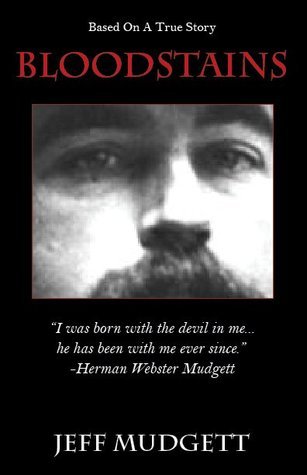
Jack the Ripper: First American Serial Killer
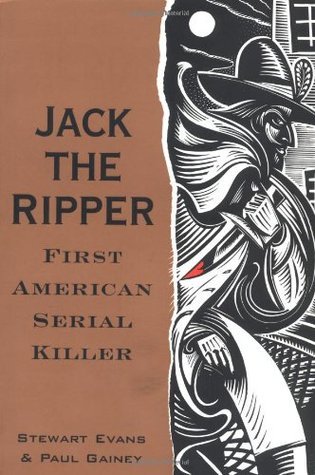
"Jack the Ripper: First American Serial Killer" meticulously investigates claims that the infamous Whitechapel murderer, H.H. Holmes (Dr. Henry Howard Holmes), was indeed Jack the Ripper. The book delves into historical documents, witness accounts, and forensic analysis of the time, presenting evidence to support this audacious hypothesis. It explores Holmes's documented atrocities in America, drawing intriguing parallels to the Ripper's modus operandi and the circumstances surrounding the London murders.
This book shares a core investigative thread with "Bloodstains" – the controversial yet compelling theory linking H.H. Holmes to the Jack the Ripper murders. Both titles aim to re-examine historical cold cases through a modern lens, challenging established narratives and proposing alternative solutions based on evidence, albeit from different authorial perspectives. They both engage in a forensic-like deconstruction of historical crimes, often suggesting a familial or direct link between Holmes and the Ripper.
This analysis offers a fresh, thought-provoking perspective on one of history's most enduring mysteries. Its detailed research and audacious premise will captivate those fascinated by true crime, historical revisionism, and the enduring enigma of Jack the Ripper. The meticulous examination of evidence and the proposed connection to a known American serial killer provide a new dimension to understanding the Ripper's possible identity, enriching the ongoing debate among enthusiasts and scholars alike.
Jack the Ripper: First American Serial Killer
"Jack the Ripper: First American Serial Killer" meticulously investigates claims that the infamous Whitechapel murderer, H.H. Holmes (Dr. Henry Howard Holmes), was indeed Jack the Ripper. The book delves into historical documents, witness accounts, and forensic analysis of the time, presenting evidence to support this audacious hypothesis. It explores Holmes's documented atrocities in America, drawing intriguing parallels to the Ripper's modus operandi and the circumstances surrounding the London murders.
This book shares a core investigative thread with "Bloodstains" – the controversial yet compelling theory linking H.H. Holmes to the Jack the Ripper murders. Both titles aim to re-examine historical cold cases through a modern lens, challenging established narratives and proposing alternative solutions based on evidence, albeit from different authorial perspectives. They both engage in a forensic-like deconstruction of historical crimes, often suggesting a familial or direct link between Holmes and the Ripper.
This analysis offers a fresh, thought-provoking perspective on one of history's most enduring mysteries. Its detailed research and audacious premise will captivate those fascinated by true crime, historical revisionism, and the enduring enigma of Jack the Ripper. The meticulous examination of evidence and the proposed connection to a known American serial killer provide a new dimension to understanding the Ripper's possible identity, enriching the ongoing debate among enthusiasts and scholars alike.
Vampire: The Richard Chase Murders
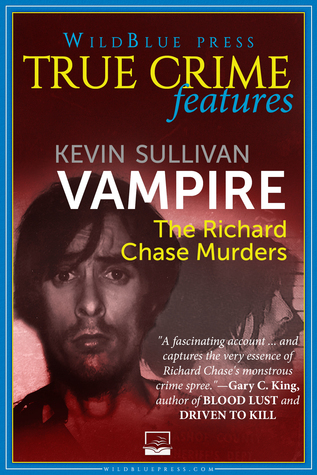
"Vampire: The Richard Chase Murders" meticulously chronicles the life and horrific crimes of Richard Chase, dubbed the "Vampire of Sacramento." The book delves into his disturbing psychological decline, from animal torture to his eventual murder spree, which involved drinking victims' blood and necrophilia. Sullivan reconstructs the investigative efforts and the societal impact of these brutal events, offering a chilling portrait of a disturbed individual.
This book shares significant thematic and methodological overlaps with "Bloodstains." Both works explore the depths of human depravity through the lens of true crime, focusing on serial killers with profoundly disturbed psychologies and heinous, often ritualistic, motivations. They both meticulously detail the investigations, the victims' stories, and the psychological profiles of the perpetrators, immersing the reader in the grim realities of such cases.
The appeal lies in its unflinching examination of severe psychopathology and its devastating consequences. It provides a valuable resource for understanding the complexities of criminal psychology and the investigative challenges posed by such cases. The book serves as a stark reminder of the human capacity for evil and the importance of forensic and psychological study in comprehending and potentially preventing similar atrocities.
Vampire: The Richard Chase Murders
"Vampire: The Richard Chase Murders" meticulously chronicles the life and horrific crimes of Richard Chase, dubbed the "Vampire of Sacramento." The book delves into his disturbing psychological decline, from animal torture to his eventual murder spree, which involved drinking victims' blood and necrophilia. Sullivan reconstructs the investigative efforts and the societal impact of these brutal events, offering a chilling portrait of a disturbed individual.
This book shares significant thematic and methodological overlaps with "Bloodstains." Both works explore the depths of human depravity through the lens of true crime, focusing on serial killers with profoundly disturbed psychologies and heinous, often ritualistic, motivations. They both meticulously detail the investigations, the victims' stories, and the psychological profiles of the perpetrators, immersing the reader in the grim realities of such cases.
The appeal lies in its unflinching examination of severe psychopathology and its devastating consequences. It provides a valuable resource for understanding the complexities of criminal psychology and the investigative challenges posed by such cases. The book serves as a stark reminder of the human capacity for evil and the importance of forensic and psychological study in comprehending and potentially preventing similar atrocities.
Kentucky Bloodbath: Ten Bizarre Tales of Murder from the Bluegrass State

"Kentucky Bloodbath" presents a collection of ten distinct murder cases, each originating from Kentucky. Kevin M. Sullivan delves into the historical context, motivations, and investigative details surrounding these bizarre and often perplexing crimes, offering a glimpse into the darker side of the Bluegrass State's past.
The similarity to "Bloodstains" lies in their shared exploration of real-life, often gruesome, criminal acts and their lasting impact. Both books offer true-crime narratives, focusing on the meticulous recounting of details and the human element within horrific circumstances. They appeal to an audience fascinated by the psychological underpinnings of violence and the intricacies of criminal investigation.
This book will appeal to those who appreciate well-researched true-crime narratives, particularly those with a focus on historical or lesser-known cases. Its value lies in providing unique insights into the nature of crime, the human psyche, and the judicial process within a specific geographical and historical context. It offers both engrossing storytelling and a deeper understanding of true-crime phenomena.
Kentucky Bloodbath: Ten Bizarre Tales of Murder from the Bluegrass State
"Kentucky Bloodbath" presents a collection of ten distinct murder cases, each originating from Kentucky. Kevin M. Sullivan delves into the historical context, motivations, and investigative details surrounding these bizarre and often perplexing crimes, offering a glimpse into the darker side of the Bluegrass State's past.
The similarity to "Bloodstains" lies in their shared exploration of real-life, often gruesome, criminal acts and their lasting impact. Both books offer true-crime narratives, focusing on the meticulous recounting of details and the human element within horrific circumstances. They appeal to an audience fascinated by the psychological underpinnings of violence and the intricacies of criminal investigation.
This book will appeal to those who appreciate well-researched true-crime narratives, particularly those with a focus on historical or lesser-known cases. Its value lies in providing unique insights into the nature of crime, the human psyche, and the judicial process within a specific geographical and historical context. It offers both engrossing storytelling and a deeper understanding of true-crime phenomena.
Most Evil: Avenger, Zodiac, and the Further Serial Murders of Dr. George Hill Hodel
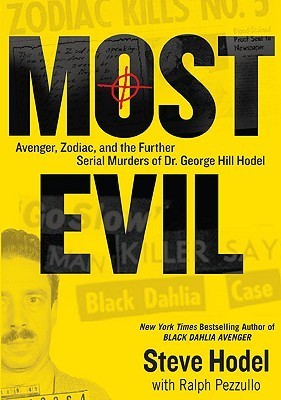
*Most Evil* delves into Steve Hodel's investigation into his father, Dr. George Hodel, as a potential suspect not only in the Black Dahlia murder but also a wider series of unsolved homicides, including connections to the Zodiac Killer. The book meticulously reconstructs an alternate narrative of these infamous cases, presenting circumstantial evidence and personal insights to build a compelling (though controversial) case against his own father.
This book resonates with *Bloodstains* due to their shared premise: a direct descendant’s chilling and deeply personal inquiry into a close family member's alleged involvement in heinous crimes. Both authors navigate the complex emotional landscape of confronting a beloved or respected relative as an accused serial killer, using familial access and historical research to unearth deeply unsettling truths.
This work appeals to those fascinated by true crime, particularly readers drawn to cold cases and the intricate psychology of serial murderers. Its value lies in offering a unique, insider perspective on notorious unsolved mysteries, compelling readers to re-examine established narratives and consider unsettling alternative theories proposed by someone with an unparalleled personal stake in the outcome.
Most Evil: Avenger, Zodiac, and the Further Serial Murders of Dr. George Hill Hodel
*Most Evil* delves into Steve Hodel's investigation into his father, Dr. George Hodel, as a potential suspect not only in the Black Dahlia murder but also a wider series of unsolved homicides, including connections to the Zodiac Killer. The book meticulously reconstructs an alternate narrative of these infamous cases, presenting circumstantial evidence and personal insights to build a compelling (though controversial) case against his own father.
This book resonates with *Bloodstains* due to their shared premise: a direct descendant’s chilling and deeply personal inquiry into a close family member's alleged involvement in heinous crimes. Both authors navigate the complex emotional landscape of confronting a beloved or respected relative as an accused serial killer, using familial access and historical research to unearth deeply unsettling truths.
This work appeals to those fascinated by true crime, particularly readers drawn to cold cases and the intricate psychology of serial murderers. Its value lies in offering a unique, insider perspective on notorious unsolved mysteries, compelling readers to re-examine established narratives and consider unsettling alternative theories proposed by someone with an unparalleled personal stake in the outcome.
The Wicked Boy: The Mystery of a Victorian Child Murderer

*The Wicked Boy* unravels the chilling true story of Robert Coombes, an eleven-year-old boy who, in 1895, murdered his younger brother in East London. Kate Summerscale meticulously reconstructs the events surrounding this horrific crime, the subsequent trial, and the Victorian society's bewildered attempts to comprehend such an act of parricide. Beyond the sensationalism, the book delves into the psychological and societal factors that shaped Coombes's life and the public's reaction, exploring emerging psychiatric theories and the shifting definitions of childhood and criminality.
This book shares significant thematic and structural parallels with *Bloodstains*. Both works meticulously investigate historical crimes, striving to unearth the truth behind sensationalized events through exhaustive research and analysis of primary sources. They explore the deeply unsettling human capacity for violence within familial contexts and the lasting legacies of such acts. Both authors reconstruct narratives long obscured by time and public perception, aiming to provide a more nuanced understanding of complex characters and motivations.
This exploration of a Victorian child murderer offers a compelling dive into both historical true crime and the fascinating evolution of forensic psychology and social attitudes. It provides a unique lens through which to examine Victorian societal anxieties, the nascent field of child psychology, and the enduring questions surrounding nature versus nurture in extreme cases. The detailed historical reconstruction and thoughtful analysis deliver a rich, intellectually stimulating experience, shedding light on the darker aspects of human nature and societal response to deviance.
The Wicked Boy: The Mystery of a Victorian Child Murderer
*The Wicked Boy* unravels the chilling true story of Robert Coombes, an eleven-year-old boy who, in 1895, murdered his younger brother in East London. Kate Summerscale meticulously reconstructs the events surrounding this horrific crime, the subsequent trial, and the Victorian society's bewildered attempts to comprehend such an act of parricide. Beyond the sensationalism, the book delves into the psychological and societal factors that shaped Coombes's life and the public's reaction, exploring emerging psychiatric theories and the shifting definitions of childhood and criminality.
This book shares significant thematic and structural parallels with *Bloodstains*. Both works meticulously investigate historical crimes, striving to unearth the truth behind sensationalized events through exhaustive research and analysis of primary sources. They explore the deeply unsettling human capacity for violence within familial contexts and the lasting legacies of such acts. Both authors reconstruct narratives long obscured by time and public perception, aiming to provide a more nuanced understanding of complex characters and motivations.
This exploration of a Victorian child murderer offers a compelling dive into both historical true crime and the fascinating evolution of forensic psychology and social attitudes. It provides a unique lens through which to examine Victorian societal anxieties, the nascent field of child psychology, and the enduring questions surrounding nature versus nurture in extreme cases. The detailed historical reconstruction and thoughtful analysis deliver a rich, intellectually stimulating experience, shedding light on the darker aspects of human nature and societal response to deviance.
The Ice Man: Confessions of a Mafia Contract Killer
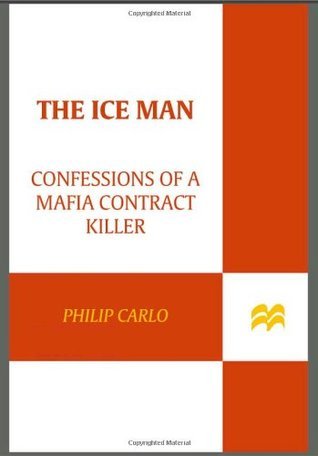
"The Ice Man: Confessions of a Mafia Contract Killer" chronicles the life and gruesome career of Richard Kuklinski, a notorious hitman responsible for over a hundred murders for various crime families. It's a chilling, first-person account, detailing his methods, motivations, and the disturbing psychology behind his cold-blooded efficiency, offering an unvarnished look into the psyche of a professional killer.
The similarity to "Bloodstains" lies in their shared exploration of extreme criminality and the human capacity for darkness. Both books delve into the grim realities of murder, not just as an act, but as a lifestyle, focusing on individuals deeply entangled in violence. They present a forensic, often unsettling, examination of individuals who exist beyond conventional moral boundaries.
This book will appeal to those captivated by true crime and psychological studies of evil. Its value stems from providing a rare and direct window into the mind of a serial killer operating within organized crime, offering profound insights into the nature of depravity, criminal pathology, and the complex, often disturbing, allure of the criminal underworld.
The Ice Man: Confessions of a Mafia Contract Killer
"The Ice Man: Confessions of a Mafia Contract Killer" chronicles the life and gruesome career of Richard Kuklinski, a notorious hitman responsible for over a hundred murders for various crime families. It's a chilling, first-person account, detailing his methods, motivations, and the disturbing psychology behind his cold-blooded efficiency, offering an unvarnished look into the psyche of a professional killer.
The similarity to "Bloodstains" lies in their shared exploration of extreme criminality and the human capacity for darkness. Both books delve into the grim realities of murder, not just as an act, but as a lifestyle, focusing on individuals deeply entangled in violence. They present a forensic, often unsettling, examination of individuals who exist beyond conventional moral boundaries.
This book will appeal to those captivated by true crime and psychological studies of evil. Its value stems from providing a rare and direct window into the mind of a serial killer operating within organized crime, offering profound insights into the nature of depravity, criminal pathology, and the complex, often disturbing, allure of the criminal underworld.
Prisoner 1167: The Madman Who Was Jack the Ripper
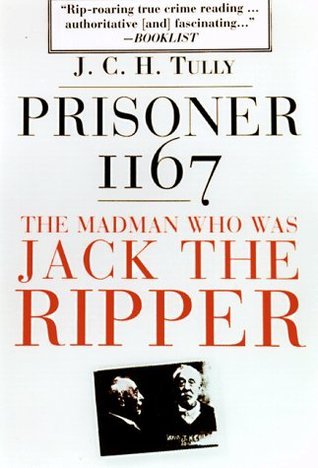
"Prisoner 1167" meticulously investigates the life and crimes of Dr. Francis Tumblety, presenting a compelling case that he was Jack the Ripper. The book delves into historical records, witness accounts, and contemporary medical understanding to reconstruct Tumblety's movements and psyche, culminating in a detailed argument for his culpability in the Whitechap murders.
This book resonates strongly with "Bloodstains" due to their shared premise of a descendant investigating a notorious historical serial killer. Both authors are driven by a personal connection to their subjects – Mudgett to H.H. Holmes and Tully to Tumblety – lending an intimate and persistent quality to their research. They both tackle the enduring mystery of identifying an infamous murderer through dedicated, often obsessive, archival and forensic exploration.
Individuals captivated by true crime, particularly the enduring enigma of Jack the Ripper, will find its detailed analysis and innovative approach highly engaging. The book offers a fresh, well-researched perspective on a long-debated topic, providing substantial evidence for its controversial conclusion and challenging established theories. This makes it a valuable contribution to Ripperology and a thought-provoking read for anyone interested in cold cases and historical criminal profiling.
Prisoner 1167: The Madman Who Was Jack the Ripper
"Prisoner 1167" meticulously investigates the life and crimes of Dr. Francis Tumblety, presenting a compelling case that he was Jack the Ripper. The book delves into historical records, witness accounts, and contemporary medical understanding to reconstruct Tumblety's movements and psyche, culminating in a detailed argument for his culpability in the Whitechap murders.
This book resonates strongly with "Bloodstains" due to their shared premise of a descendant investigating a notorious historical serial killer. Both authors are driven by a personal connection to their subjects – Mudgett to H.H. Holmes and Tully to Tumblety – lending an intimate and persistent quality to their research. They both tackle the enduring mystery of identifying an infamous murderer through dedicated, often obsessive, archival and forensic exploration.
Individuals captivated by true crime, particularly the enduring enigma of Jack the Ripper, will find its detailed analysis and innovative approach highly engaging. The book offers a fresh, well-researched perspective on a long-debated topic, providing substantial evidence for its controversial conclusion and challenging established theories. This makes it a valuable contribution to Ripperology and a thought-provoking read for anyone interested in cold cases and historical criminal profiling.
Journey Into Darkness

"Journey Into Darkness" delves into the chilling case files of John E. Douglas, a legendary FBI profiler. He dissects the minds and motives of some of history's most notorious serial killers, offering unprecedented insights into their psychology, methods, and the painstaking process of tracking them. It's a deep dive into the real-life horrors and investigative triumphs of criminal profiling.
This book shares a compelling thematic link with "Bloodstains" through its exploration of horrific criminal acts and the relentless pursuit of justice. Both narratives immerse the reader in the dark underbelly of human behavior, showcasing the profound impact of violent crime and the dedication required to understand and apprehend those responsible. The focus on psychological analysis and intricate investigative work creates a strong parallel between the two.
For those drawn to the psychological intricacies of true crime narratives, this offers a raw and unvarnished look into the minds of monsters and the brilliance of those who hunt them. It provides not just a thrilling account of investigations but also a valuable understanding of forensic psychology and the evolution of profiling techniques, solidifying its place as a significant contribution to the genre.
Journey Into Darkness
"Journey Into Darkness" delves into the chilling case files of John E. Douglas, a legendary FBI profiler. He dissects the minds and motives of some of history's most notorious serial killers, offering unprecedented insights into their psychology, methods, and the painstaking process of tracking them. It's a deep dive into the real-life horrors and investigative triumphs of criminal profiling.
This book shares a compelling thematic link with "Bloodstains" through its exploration of horrific criminal acts and the relentless pursuit of justice. Both narratives immerse the reader in the dark underbelly of human behavior, showcasing the profound impact of violent crime and the dedication required to understand and apprehend those responsible. The focus on psychological analysis and intricate investigative work creates a strong parallel between the two.
For those drawn to the psychological intricacies of true crime narratives, this offers a raw and unvarnished look into the minds of monsters and the brilliance of those who hunt them. It provides not just a thrilling account of investigations but also a valuable understanding of forensic psychology and the evolution of profiling techniques, solidifying its place as a significant contribution to the genre.
The Devil in the White City: Murder, Magic, and Madness at the Fair That Changed America

Erik Larson's "The Devil in the White City" meticulously reconstructs the 1893 Chicago World's Fair, an architectural marvel and triumph of human ingenuity. Simultaneously, it chronicles the sinister activities of Dr. H.H. Holmes, a charismatic and cunning serial killer who exploited the Fair's anonymity to lure and murder countless victims in his elaborate "Murder Castle." The narrative masterfully interweaves these two contrasting historical threads: the brilliant vision of Daniel Burnham, the Fair's chief architect, and the horrifying depravity of Holmes.
The similarity to "Bloodstains" lies in the core premise of uncovering historical serial murder alongside significant societal upheaval. Both books delve into real-life investigations of profoundly disturbing crimes committed by individuals of chilling intelligence and ruthlessness. They share a commitment to historical accuracy, presenting meticulous research to breathe life into past events and the psychological profiles of their subjects. The narrative structure, wherein a deeply unsettling antagonist operates within a context of broader historical significance, creates a compelling resonance between the two works.
This book captivates with its dual narrative of ambition and terror, offering a vivid portal to a pivotal moment in American history. It not only delivers the suspense of a true crime thriller but also provides a rich tapestry of turn-of-the-century innovation, urban development, and the darker undercurrents of human nature. It offers valuable insights into the societal conditions that allowed such darkness to flourish amidst progress, fostering a deeper understanding of history, human psychology, and the enduring allure of meticulously researched true crime.
The Devil in the White City: Murder, Magic, and Madness at the Fair That Changed America
Erik Larson's "The Devil in the White City" meticulously reconstructs the 1893 Chicago World's Fair, an architectural marvel and triumph of human ingenuity. Simultaneously, it chronicles the sinister activities of Dr. H.H. Holmes, a charismatic and cunning serial killer who exploited the Fair's anonymity to lure and murder countless victims in his elaborate "Murder Castle." The narrative masterfully interweaves these two contrasting historical threads: the brilliant vision of Daniel Burnham, the Fair's chief architect, and the horrifying depravity of Holmes.
The similarity to "Bloodstains" lies in the core premise of uncovering historical serial murder alongside significant societal upheaval. Both books delve into real-life investigations of profoundly disturbing crimes committed by individuals of chilling intelligence and ruthlessness. They share a commitment to historical accuracy, presenting meticulous research to breathe life into past events and the psychological profiles of their subjects. The narrative structure, wherein a deeply unsettling antagonist operates within a context of broader historical significance, creates a compelling resonance between the two works.
This book captivates with its dual narrative of ambition and terror, offering a vivid portal to a pivotal moment in American history. It not only delivers the suspense of a true crime thriller but also provides a rich tapestry of turn-of-the-century innovation, urban development, and the darker undercurrents of human nature. It offers valuable insights into the societal conditions that allowed such darkness to flourish amidst progress, fostering a deeper understanding of history, human psychology, and the enduring allure of meticulously researched true crime.
The Diary of Jack the Ripper: The Discovery, the Investigation, the Authentication, the Debate
"The Diary of Jack the Ripper" details the purported discovery of a journal written by James Maybrick, who claims to be the infamous Whitechapel murderer. The book meticulously chronicles the document's emergence, the forensic and historical investigations undertaken to verify its authenticity, and the intense public and scholarly debate that ensued regarding its legitimacy as a genuine artifact from the Ripper case. It delves into the arguments for and against its provenance, presenting a fascinating cross-section of evidence and conjecture.
This book shares thematic DNA with "Bloodstains" in its exploration of a descendant's conviction regarding a historical serial killer. Both narratives are driven by intense personal theories, attempting to unmask a notorious figure through controversial — and potentially self-serving — evidence. They each grappled with the implications of newly "discovered" documentation or familial links that purport to solve long-standing mysteries surrounding infamous crimes.
The book offers a compelling deep dive into historical investigation and the complexities of authenticating primary sources. Its presentation of the meticulous efforts to verify the diary, coupled with the vigorous arguments surrounding its veracity, will engage anyone fascinated by true crime, historical mysteries, and the blurred lines between fact and fabrication. The book's intellectual journey through historical forensics and societal debate holds significant value in understanding how such complex historical puzzles are approached and contested.
The Diary of Jack the Ripper: The Discovery, the Investigation, the Authentication, the Debate
"The Diary of Jack the Ripper" details the purported discovery of a journal written by James Maybrick, who claims to be the infamous Whitechapel murderer. The book meticulously chronicles the document's emergence, the forensic and historical investigations undertaken to verify its authenticity, and the intense public and scholarly debate that ensued regarding its legitimacy as a genuine artifact from the Ripper case. It delves into the arguments for and against its provenance, presenting a fascinating cross-section of evidence and conjecture.
This book shares thematic DNA with "Bloodstains" in its exploration of a descendant's conviction regarding a historical serial killer. Both narratives are driven by intense personal theories, attempting to unmask a notorious figure through controversial — and potentially self-serving — evidence. They each grappled with the implications of newly "discovered" documentation or familial links that purport to solve long-standing mysteries surrounding infamous crimes.
The book offers a compelling deep dive into historical investigation and the complexities of authenticating primary sources. Its presentation of the meticulous efforts to verify the diary, coupled with the vigorous arguments surrounding its veracity, will engage anyone fascinated by true crime, historical mysteries, and the blurred lines between fact and fabrication. The book's intellectual journey through historical forensics and societal debate holds significant value in understanding how such complex historical puzzles are approached and contested.
More Books to Explore
Discover more titles that expand on these ideas and themes.
Jack the Ripper: First American Serial Killer
Vampire: The Richard Chase Murders
Kentucky Bloodbath: Ten Bizarre Tales of Murder from the Bluegrass State
Most Evil: Avenger, Zodiac, and the Further Serial Murders of Dr. George Hill Hodel
The Wicked Boy: The Mystery of a Victorian Child Murderer
The Ice Man: Confessions of a Mafia Contract Killer