10 Books Similar to "Better Than Before: Mastering the Habits of Our Everyday Lives"
by Gretchen Rubin
The Happiness Project
"The Happiness Project" chronicles Gretchen Rubin's year-long experiment to increase her happiness. She dedicates each month to a different aspect of well-being, exploring various theories and practical strategies to cultivate joy, improve relationships, work more effectively, and generally lead a more fulfilling life. It’s a personal journey of self-improvement, documented with honesty and insightful observations.
This book shares significant thematic overlap with "Better Than Before" because both explore the practical application of psychological principles to daily life. Where "Better Than Before" focuses on habit formation as a core mechanism for change, "The Happiness Project" demonstrates the *results* of such structured self-improvement. Both are rooted in Rubin’s distinctive approach to self-experimentation and her meticulous cataloging of human behavior and motivations.
Anyone interested in personal growth, well-being, and practical strategies for positive change will find "The Happiness Project" compelling. It offers relatable experiences, actionable ideas, and a hopeful, encouraging perspective on how small, consistent efforts can lead to profound personal transformation. The book’s blend of anecdotal evidence and researched insights makes its guidance both accessible and trustworthy.
The Happiness Project
"The Happiness Project" chronicles Gretchen Rubin's year-long experiment to increase her happiness. She dedicates each month to a different aspect of well-being, exploring various theories and practical strategies to cultivate joy, improve relationships, work more effectively, and generally lead a more fulfilling life. It’s a personal journey of self-improvement, documented with honesty and insightful observations.
This book shares significant thematic overlap with "Better Than Before" because both explore the practical application of psychological principles to daily life. Where "Better Than Before" focuses on habit formation as a core mechanism for change, "The Happiness Project" demonstrates the *results* of such structured self-improvement. Both are rooted in Rubin’s distinctive approach to self-experimentation and her meticulous cataloging of human behavior and motivations.
Anyone interested in personal growth, well-being, and practical strategies for positive change will find "The Happiness Project" compelling. It offers relatable experiences, actionable ideas, and a hopeful, encouraging perspective on how small, consistent efforts can lead to profound personal transformation. The book’s blend of anecdotal evidence and researched insights makes its guidance both accessible and trustworthy.
Atomic Habits: An Easy & Proven Way to Build Good Habits & Break Bad Ones
"Atomic Habits" by James Clear offers a practical, systematic framework for improving daily routines through small, incremental changes. It deconstructs habit formation into four simple laws—Make it obvious, Make it attractive, Make it easy, and Make it satisfying—providing actionable strategies for building good habits and eliminating bad ones, emphasizing consistency over intensity.
The book shares common ground with Gretchen Rubin's "Better Than Before" in its singular focus on understanding and mastering habits to improve one's life. Both authors delve into the psychology behind habit formation, offering diverse approaches and insights into why certain strategies work for different individuals, ultimately aiming to empower readers with tools for behavioral change.
This book will appeal to individuals seeking concrete, evidence-based methods for personal growth and productivity. Its structured approach and clear explanations make it invaluable for anyone looking to optimize their daily life, achieve long-term goals, or simply understand the subtle power of consistent, small actions in shaping significant outcomes.
Atomic Habits: An Easy & Proven Way to Build Good Habits & Break Bad Ones
"Atomic Habits" by James Clear offers a practical, systematic framework for improving daily routines through small, incremental changes. It deconstructs habit formation into four simple laws—Make it obvious, Make it attractive, Make it easy, and Make it satisfying—providing actionable strategies for building good habits and eliminating bad ones, emphasizing consistency over intensity.
The book shares common ground with Gretchen Rubin's "Better Than Before" in its singular focus on understanding and mastering habits to improve one's life. Both authors delve into the psychology behind habit formation, offering diverse approaches and insights into why certain strategies work for different individuals, ultimately aiming to empower readers with tools for behavioral change.
This book will appeal to individuals seeking concrete, evidence-based methods for personal growth and productivity. Its structured approach and clear explanations make it invaluable for anyone looking to optimize their daily life, achieve long-term goals, or simply understand the subtle power of consistent, small actions in shaping significant outcomes.
The Excellence Habit - How Small Changes In Our Mindset Can Make A Big Difference In Our Lives: For All Who Feel Stuck
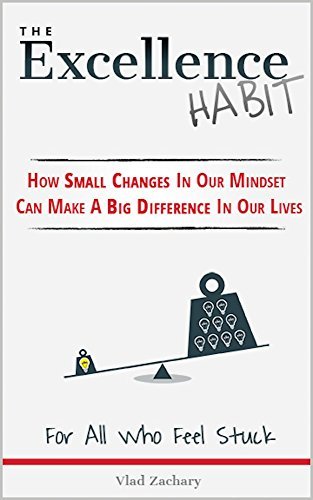
"The Excellence Habit" delves into how subtle shifts in perspective and daily practices can unlock significant personal and professional growth, particularly for individuals feeling stagnant. It focuses on practical, actionable strategies for cultivating a mindset that fosters continuous improvement and breaks through perceived limitations.
This book shares foundational similarities with "Better Than Before" in its exploration of habit formation and personal development as cornerstones for a more fulfilling life. Both emphasize the power of small, consistent changes to yield substantial, lasting results, and both pivot on understanding one's own psychology to craft effective routines.
The book will resonate with individuals seeking concrete methods to overcome inertia and elevate their performance. It offers a tangible roadmap for self-improvement, providing not just inspiration, but also practical tools to implement meaningful changes, ultimately empowering a journey toward greater achievement and satisfaction.
The Excellence Habit - How Small Changes In Our Mindset Can Make A Big Difference In Our Lives: For All Who Feel Stuck
"The Excellence Habit" delves into how subtle shifts in perspective and daily practices can unlock significant personal and professional growth, particularly for individuals feeling stagnant. It focuses on practical, actionable strategies for cultivating a mindset that fosters continuous improvement and breaks through perceived limitations.
This book shares foundational similarities with "Better Than Before" in its exploration of habit formation and personal development as cornerstones for a more fulfilling life. Both emphasize the power of small, consistent changes to yield substantial, lasting results, and both pivot on understanding one's own psychology to craft effective routines.
The book will resonate with individuals seeking concrete methods to overcome inertia and elevate their performance. It offers a tangible roadmap for self-improvement, providing not just inspiration, but also practical tools to implement meaningful changes, ultimately empowering a journey toward greater achievement and satisfaction.
The Power of Habit: Why We Do What We Do in Life and Business
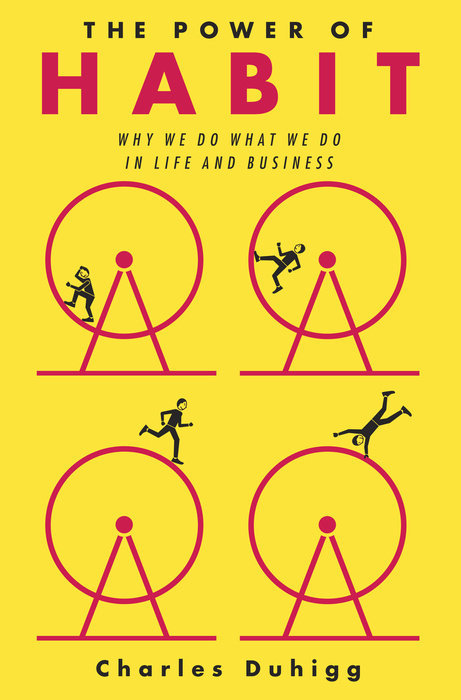
"The Power of Habit" by Charles Duhigg delves into the science of habit formation and change, explaining how habits function in our brains and drive individual, organizational, and societal behavior. Duhigg unpacks the "habit loop" – cue, routine, and reward – through compelling stories ranging from marketing strategies to social movements, revealing how understanding this loop is key to transforming our lives and industries.
This book shares common ground with "Better Than Before" by Gretchen Rubin in its core objective: to demystify habits and empower individuals to exert control over them. Both authors explore the mechanics of habit formation and offer frameworks for intentional change, whether it's building new positive routines or dismantling self-defeating ones.
People find significant value in "The Power of Habit" because it provides a clear, evidence-based roadmap for personal and professional improvement. It offers practical insights and inspiring examples, demonstrating that habit change isn't just about willpower, but about strategically understanding and manipulating the underlying neurological processes. This knowledge empowers individuals to enact lasting, positive shifts in their lives.
The Power of Habit: Why We Do What We Do in Life and Business
"The Power of Habit" by Charles Duhigg delves into the science of habit formation and change, explaining how habits function in our brains and drive individual, organizational, and societal behavior. Duhigg unpacks the "habit loop" – cue, routine, and reward – through compelling stories ranging from marketing strategies to social movements, revealing how understanding this loop is key to transforming our lives and industries.
This book shares common ground with "Better Than Before" by Gretchen Rubin in its core objective: to demystify habits and empower individuals to exert control over them. Both authors explore the mechanics of habit formation and offer frameworks for intentional change, whether it's building new positive routines or dismantling self-defeating ones.
People find significant value in "The Power of Habit" because it provides a clear, evidence-based roadmap for personal and professional improvement. It offers practical insights and inspiring examples, demonstrating that habit change isn't just about willpower, but about strategically understanding and manipulating the underlying neurological processes. This knowledge empowers individuals to enact lasting, positive shifts in their lives.
Mini Habits: Smaller Habits, Bigger Results

"Mini Habits" advocates for building sustainable habits by making them exceptionally small and manageable. Instead of aiming for ambitious, often intimidating goals, Guise suggests breaking down desired behaviors into minuscule, almost trivial actions that are virtually impossible to fail. This approach bypasses common psychological barriers like motivation depletion and decision fatigue, fostering consistency through effortless compliance.
This book shares foundational similarities with "Better Than Before" in its core focus on habit formation and personal improvement. Both authors explore the psychological underpinnings of why habits succeed or fail, offering practical strategies for integration into daily life. While Rubin delves into broader personality types and habit styles, Guise provides a specific, actionable methodology for overcoming inertia, a common hurdle addressed by both.
The practicality of "Mini Habits" is its strong suit. Individuals seeking tangible, immediate progress without the pressure of grand initiatives will appreciate its straightforward, no-nonsense advice. It offers a low-risk, high-reward strategy for anyone who has struggled with habit formation, providing a foundational pathway to cultivate lasting behavioral changes.
Mini Habits: Smaller Habits, Bigger Results
"Mini Habits" advocates for building sustainable habits by making them exceptionally small and manageable. Instead of aiming for ambitious, often intimidating goals, Guise suggests breaking down desired behaviors into minuscule, almost trivial actions that are virtually impossible to fail. This approach bypasses common psychological barriers like motivation depletion and decision fatigue, fostering consistency through effortless compliance.
This book shares foundational similarities with "Better Than Before" in its core focus on habit formation and personal improvement. Both authors explore the psychological underpinnings of why habits succeed or fail, offering practical strategies for integration into daily life. While Rubin delves into broader personality types and habit styles, Guise provides a specific, actionable methodology for overcoming inertia, a common hurdle addressed by both.
The practicality of "Mini Habits" is its strong suit. Individuals seeking tangible, immediate progress without the pressure of grand initiatives will appreciate its straightforward, no-nonsense advice. It offers a low-risk, high-reward strategy for anyone who has struggled with habit formation, providing a foundational pathway to cultivate lasting behavioral changes.
Manage Your Day-to-Day: Build Your Routine, Find Your Focus, and Sharpen Your Creative Mind

"Manage Your Day-to-Day" offers a practical toolkit for professionals seeking to optimize their daily routines and enhance focus in an increasingly distracting world. It distills advice from various creative minds, providing actionable strategies to protect time for deep work, manage digital noise, and cultivate consistent habits that support productive and fulfilling work.
This book resonates strongly with themes in "Better Than Before" because both delve into the fundamental importance of habit formation and routine in shaping personal and professional effectiveness. While Rubin explores the psychological underpinnings of habit change, Glei's compilation provides concrete, immediately applicable methods for building resilient structures into one's day, moving from theory to direct implementation of behavioral shifts.
Individuals grappling with information overload, constant interruptions, or the challenge of sustaining creative output will find immense value. The book empowers readers with tangible techniques to regain control over their time and attention, fostering environments where focused work and mindful creation can truly flourish.
Manage Your Day-to-Day: Build Your Routine, Find Your Focus, and Sharpen Your Creative Mind
"Manage Your Day-to-Day" offers a practical toolkit for professionals seeking to optimize their daily routines and enhance focus in an increasingly distracting world. It distills advice from various creative minds, providing actionable strategies to protect time for deep work, manage digital noise, and cultivate consistent habits that support productive and fulfilling work.
This book resonates strongly with themes in "Better Than Before" because both delve into the fundamental importance of habit formation and routine in shaping personal and professional effectiveness. While Rubin explores the psychological underpinnings of habit change, Glei's compilation provides concrete, immediately applicable methods for building resilient structures into one's day, moving from theory to direct implementation of behavioral shifts.
Individuals grappling with information overload, constant interruptions, or the challenge of sustaining creative output will find immense value. The book empowers readers with tangible techniques to regain control over their time and attention, fostering environments where focused work and mindful creation can truly flourish.
Get Your Sh*t Together: How to Stop Worrying About What You Should Do So You Can Finish What You Need to Do and Start Doing What You Want to Do

"Get Your Sh*t Together" is a practical guide for gaining control over life's various aspects, from finances and career to relationships and self-care. It emphasizes a no-nonsense approach to identifying priorities, eliminating self-imposed obstacles, and taking decisive action to manage responsibilities and pursue personal aspirations. The book champions radical candor and a direct path to achieving personal effectiveness.
This book shares similarities with "Better Than Before" in its core focus on personal improvement and habit formation. Both books aim to empower individuals to live more intentionally, but "Get Your Sh*t Together" leans into a more assertive, direct execution of change, whereas Rubin's work often explores the psychological underpinnings and diverse personal strategies for habit change. Both ultimately seek to help individuals optimize their daily lives.
This book will appeal to those seeking actionable, no-excuses strategies for tackling procrastination and overwhelm. It offers a refreshing and empowering perspective on adulting, providing concrete steps to organize one's life, conquer daunting tasks, and carve out space for personal desires. The direct, unvarnished advice proves invaluable for anyone ready to stop overthinking and start doing.
Get Your Sh*t Together: How to Stop Worrying About What You Should Do So You Can Finish What You Need to Do and Start Doing What You Want to Do
"Get Your Sh*t Together" is a practical guide for gaining control over life's various aspects, from finances and career to relationships and self-care. It emphasizes a no-nonsense approach to identifying priorities, eliminating self-imposed obstacles, and taking decisive action to manage responsibilities and pursue personal aspirations. The book champions radical candor and a direct path to achieving personal effectiveness.
This book shares similarities with "Better Than Before" in its core focus on personal improvement and habit formation. Both books aim to empower individuals to live more intentionally, but "Get Your Sh*t Together" leans into a more assertive, direct execution of change, whereas Rubin's work often explores the psychological underpinnings and diverse personal strategies for habit change. Both ultimately seek to help individuals optimize their daily lives.
This book will appeal to those seeking actionable, no-excuses strategies for tackling procrastination and overwhelm. It offers a refreshing and empowering perspective on adulting, providing concrete steps to organize one's life, conquer daunting tasks, and carve out space for personal desires. The direct, unvarnished advice proves invaluable for anyone ready to stop overthinking and start doing.
How to Have a Good Day: Harness the Power of Behavioral Science to Transform Your Working Life
"How to Have a Good Day" unpacks the science behind our daily experiences, offering practical, evidence-based strategies to optimize productivity, decision-making, and interactions at work. Caroline Webb translates complex behavioral science into actionable steps, showing how small shifts in mindset and approach can lead to significantly more positive and effective workdays. It's about taking intentional control over your professional well-being and output.
This book shares significant thematic overlap with "Better Than Before" in its strong emphasis on understanding human behavior to effect positive change. Both authors delve into the mechanisms behind our actions, providing frameworks for self-improvement rooted in psychological insights. While Rubin focuses broadly on habit formation across life, Webb specifically applies these principles to the professional sphere, offering a targeted approach to enhancing daily work life.
The pragmatic, science-backed advice within "How to Have a Good Day" will resonate deeply with professionals seeking tangible ways to manage stress, boost focus, and enhance their overall work experience. Its utility lies in empowering individuals with tools to proactively shape their workday, moving beyond reactive responses to become more deliberate and effective in their roles. This book offers a valuable blueprint for transforming routine into remarkable.
How to Have a Good Day: Harness the Power of Behavioral Science to Transform Your Working Life
"How to Have a Good Day" unpacks the science behind our daily experiences, offering practical, evidence-based strategies to optimize productivity, decision-making, and interactions at work. Caroline Webb translates complex behavioral science into actionable steps, showing how small shifts in mindset and approach can lead to significantly more positive and effective workdays. It's about taking intentional control over your professional well-being and output.
This book shares significant thematic overlap with "Better Than Before" in its strong emphasis on understanding human behavior to effect positive change. Both authors delve into the mechanisms behind our actions, providing frameworks for self-improvement rooted in psychological insights. While Rubin focuses broadly on habit formation across life, Webb specifically applies these principles to the professional sphere, offering a targeted approach to enhancing daily work life.
The pragmatic, science-backed advice within "How to Have a Good Day" will resonate deeply with professionals seeking tangible ways to manage stress, boost focus, and enhance their overall work experience. Its utility lies in empowering individuals with tools to proactively shape their workday, moving beyond reactive responses to become more deliberate and effective in their roles. This book offers a valuable blueprint for transforming routine into remarkable.
The Willpower Instinct: How Self-Control Works, Why It Matters, and What You Can Do to Get More of It
"The Willpower Instinct" by Kelly McGonigal delves into the science of self-control, explaining what willpower is, how it functions in the brain and body, and the practical strategies for enhancing it. It breaks down common willpower challenges and offers actionable insights rooted in psychology and neuroscience to help individuals achieve their goals and resist temptations.
This book shares significant common ground with Gretchen Rubin's "Better Than Before." Both authors explore the fundamental mechanisms behind daily choices and behaviors, aiming to equip individuals with the tools to cultivate more effective habits. While Rubin categorizes individuals to tailor habit formation, McGonigal focuses on the universal underpinnings and practical application of willpower itself, each ultimately advocating for a more intentional approach to living.
The rigorous, evidence-based approach of "The Willpower Instinct" makes it deeply appealing. It empowers individuals with a clear understanding of their own mental and emotional systems, moving beyond anecdotal advice to provide scientifically-backed methods for improving self-discipline in various aspects of life. This empowers greater personal agency and the ability to instigate lasting, positive change.
The Willpower Instinct: How Self-Control Works, Why It Matters, and What You Can Do to Get More of It
"The Willpower Instinct" by Kelly McGonigal delves into the science of self-control, explaining what willpower is, how it functions in the brain and body, and the practical strategies for enhancing it. It breaks down common willpower challenges and offers actionable insights rooted in psychology and neuroscience to help individuals achieve their goals and resist temptations.
This book shares significant common ground with Gretchen Rubin's "Better Than Before." Both authors explore the fundamental mechanisms behind daily choices and behaviors, aiming to equip individuals with the tools to cultivate more effective habits. While Rubin categorizes individuals to tailor habit formation, McGonigal focuses on the universal underpinnings and practical application of willpower itself, each ultimately advocating for a more intentional approach to living.
The rigorous, evidence-based approach of "The Willpower Instinct" makes it deeply appealing. It empowers individuals with a clear understanding of their own mental and emotional systems, moving beyond anecdotal advice to provide scientifically-backed methods for improving self-discipline in various aspects of life. This empowers greater personal agency and the ability to instigate lasting, positive change.
The Happiness Advantage: The Seven Principles of Positive Psychology That Fuel Success and Performance at Work

"The Happiness Advantage" argues that happiness isn't a byproduct of success, but rather a powerful precursor to it. Shawn Achor presents seven actionable principles, grounded in positive psychology research, that demonstrate how cultivating a positive mindset – focusing on gratitude, optimism, and social connection – can significantly enhance productivity, performance, and overall well-being in professional and personal life. It's a practical guide to leveraging positive emotions for tangible results.
Both books delve into the science of human behavior and offer strategies for improving one’s life through conscious effort. While "Better Than Before" focuses on habit formation for overall personal mastery, "The Happiness Advantage" pinpoints how specific positive psychological traits can be intentionally developed to foster success. They share a core belief in the power of individual agency to shape one's experience and achieve desired outcomes.
This book will appeal to individuals seeking concrete methods to optimize their performance and contentment. It offers a compelling, evidence-based argument for shifting one's perspective and provides practical frameworks for building resilience, boosting engagement, and ultimately achieving greater professional and personal fulfillment. Its value lies in empowering individuals with tools to actively cultivate a thriving mindset.
The Happiness Advantage: The Seven Principles of Positive Psychology That Fuel Success and Performance at Work
"The Happiness Advantage" argues that happiness isn't a byproduct of success, but rather a powerful precursor to it. Shawn Achor presents seven actionable principles, grounded in positive psychology research, that demonstrate how cultivating a positive mindset – focusing on gratitude, optimism, and social connection – can significantly enhance productivity, performance, and overall well-being in professional and personal life. It's a practical guide to leveraging positive emotions for tangible results.
Both books delve into the science of human behavior and offer strategies for improving one’s life through conscious effort. While "Better Than Before" focuses on habit formation for overall personal mastery, "The Happiness Advantage" pinpoints how specific positive psychological traits can be intentionally developed to foster success. They share a core belief in the power of individual agency to shape one's experience and achieve desired outcomes.
This book will appeal to individuals seeking concrete methods to optimize their performance and contentment. It offers a compelling, evidence-based argument for shifting one's perspective and provides practical frameworks for building resilience, boosting engagement, and ultimately achieving greater professional and personal fulfillment. Its value lies in empowering individuals with tools to actively cultivate a thriving mindset.
More Books to Explore
Discover more titles that expand on these ideas and themes.
The Happiness Project
Atomic Habits: An Easy & Proven Way to Build Good Habits & Break Bad Ones
The Excellence Habit - How Small Changes In Our Mindset Can Make A Big Difference In Our Lives: For All Who Feel Stuck
The Power of Habit: Why We Do What We Do in Life and Business
Mini Habits: Smaller Habits, Bigger Results
Manage Your Day-to-Day: Build Your Routine, Find Your Focus, and Sharpen Your Creative Mind