10 Books Similar to "Atomic Habits: An Easy & Proven Way to Build Good Habits & Break Bad Ones"
by James Clear
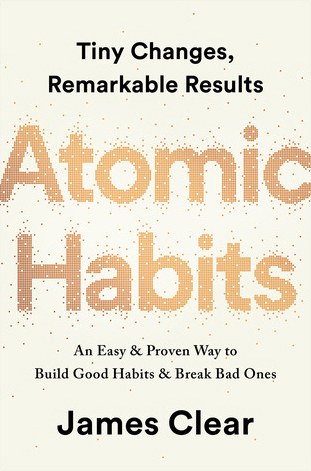
Mini Habits: Smaller Habits, Bigger Results

"Mini Habits" advocates for building significant change through incredibly small, almost insignificant daily actions. Instead of aiming for big, daunting goals that often lead to burnout, the book encourages starting with a "mini habit"—like doing one push-up or reading one sentence. This method focuses on overcoming the initial resistance to starting, making consistency the primary goal, and gradually scaling up efforts once the habit is firmly established.
This approach mirrors "Atomic Habits" in its core philosophy: that small, incremental changes accumulate into substantial, lasting transformation. Both books emphasize the power of consistent, almost imperceptible improvements over grand, unsustainable endeavors. They each dissect the psychology behind habit formation, recognizing the importance of making habits easy to start and difficult to skip, thereby reducing friction and increasing adherence.
The book will appeal to individuals who struggle with procrastination or find larger goals overwhelming. Its practical, no-nonsense methodology offers an immediate, actionable pathway to initiate positive behaviors without the pressure of perfection. This concrete, low-barrier entry point into self-improvement provides a sustainable framework for building discipline and achieving long-term personal growth.
Mini Habits: Smaller Habits, Bigger Results
"Mini Habits" advocates for building significant change through incredibly small, almost insignificant daily actions. Instead of aiming for big, daunting goals that often lead to burnout, the book encourages starting with a "mini habit"—like doing one push-up or reading one sentence. This method focuses on overcoming the initial resistance to starting, making consistency the primary goal, and gradually scaling up efforts once the habit is firmly established.
This approach mirrors "Atomic Habits" in its core philosophy: that small, incremental changes accumulate into substantial, lasting transformation. Both books emphasize the power of consistent, almost imperceptible improvements over grand, unsustainable endeavors. They each dissect the psychology behind habit formation, recognizing the importance of making habits easy to start and difficult to skip, thereby reducing friction and increasing adherence.
The book will appeal to individuals who struggle with procrastination or find larger goals overwhelming. Its practical, no-nonsense methodology offers an immediate, actionable pathway to initiate positive behaviors without the pressure of perfection. This concrete, low-barrier entry point into self-improvement provides a sustainable framework for building discipline and achieving long-term personal growth.
The Excellence Habit - How Small Changes In Our Mindset Can Make A Big Difference In Our Lives: For All Who Feel Stuck
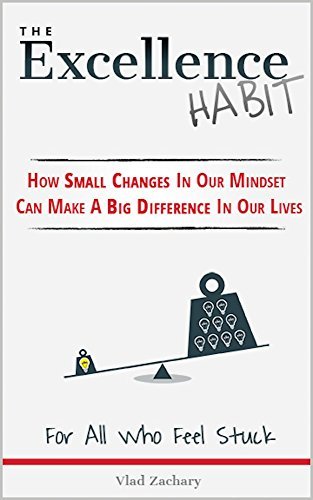
"The Excellence Habit" by Vlad Zachary offers a practical framework for personal growth by demonstrating how subtle shifts in perspective and daily actions can lead to profound life improvements. It's designed for anyone feeling stagnant, providing actionable strategies to cultivate a mindset geared towards consistent achievement and fulfillment.
This book shares significant thematic overlap with James Clear's "Atomic Habits." Both emphasize the cumulative power of small, incremental changes to drive substantial transformation. They dissect how habits form and can be intentionally manipulated, focusing on systematic approaches rather than reliance on fleeting motivation, to build sustainable positive behaviors.
This book will appeal to individuals seeking concrete methods to break free from inertia and systematically improve their lives. It provides a hopeful and structured path to self-improvement, offering practical tools and insightful guidance for anyone ready to translate aspirations into tangible results through deliberate, manageable effort.
The Excellence Habit - How Small Changes In Our Mindset Can Make A Big Difference In Our Lives: For All Who Feel Stuck
"The Excellence Habit" by Vlad Zachary offers a practical framework for personal growth by demonstrating how subtle shifts in perspective and daily actions can lead to profound life improvements. It's designed for anyone feeling stagnant, providing actionable strategies to cultivate a mindset geared towards consistent achievement and fulfillment.
This book shares significant thematic overlap with James Clear's "Atomic Habits." Both emphasize the cumulative power of small, incremental changes to drive substantial transformation. They dissect how habits form and can be intentionally manipulated, focusing on systematic approaches rather than reliance on fleeting motivation, to build sustainable positive behaviors.
This book will appeal to individuals seeking concrete methods to break free from inertia and systematically improve their lives. It provides a hopeful and structured path to self-improvement, offering practical tools and insightful guidance for anyone ready to translate aspirations into tangible results through deliberate, manageable effort.
Better Than Before: Mastering the Habits of Our Everyday Lives
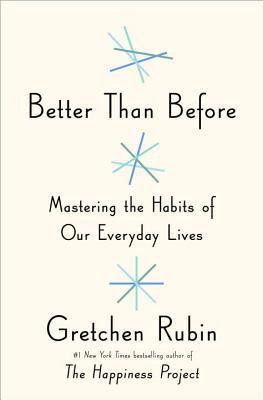
"Better Than Before" by Gretchen Rubin explores the intricate world of habits, offering a framework for understanding how we form them, break them, and ultimately, use them to improve our lives. Rubin's central thesis revolves around her "Four Tendencies" — Upholders, Questioners, Obligers, and Rebels — which categorize individuals based on how they respond to inner and outer expectations. This system provides tailored strategies for habit change, moving beyond generic advice to personalized approaches.
Both "Better Than Before" and "Atomic Habits" delve into the science and psychology of habit formation, aiming to empower individuals to master their daily routines. They share the fundamental belief that small, consistent actions are the cornerstone of significant personal growth. While Clear focuses on environmental design and the "Four Laws of Behavior Change," Rubin emphasizes self-knowledge and identifying one's unique habit-forming tendencies. Both books provide practical, actionable advice for building productive systems.
This book will resonate with individuals seeking a deeper, more personalized understanding of habit change. Its value lies in Rubin's insightful exploration of individual differences, moving beyond a one-size-fits-all approach. Those who have struggled with habit formation despite trying common strategies will appreciate its nuanced perspective, finding tailored guidance to finally achieve their goals and cultivate sustainable positive behaviors.
Better Than Before: Mastering the Habits of Our Everyday Lives
"Better Than Before" by Gretchen Rubin explores the intricate world of habits, offering a framework for understanding how we form them, break them, and ultimately, use them to improve our lives. Rubin's central thesis revolves around her "Four Tendencies" — Upholders, Questioners, Obligers, and Rebels — which categorize individuals based on how they respond to inner and outer expectations. This system provides tailored strategies for habit change, moving beyond generic advice to personalized approaches.
Both "Better Than Before" and "Atomic Habits" delve into the science and psychology of habit formation, aiming to empower individuals to master their daily routines. They share the fundamental belief that small, consistent actions are the cornerstone of significant personal growth. While Clear focuses on environmental design and the "Four Laws of Behavior Change," Rubin emphasizes self-knowledge and identifying one's unique habit-forming tendencies. Both books provide practical, actionable advice for building productive systems.
This book will resonate with individuals seeking a deeper, more personalized understanding of habit change. Its value lies in Rubin's insightful exploration of individual differences, moving beyond a one-size-fits-all approach. Those who have struggled with habit formation despite trying common strategies will appreciate its nuanced perspective, finding tailored guidance to finally achieve their goals and cultivate sustainable positive behaviors.
The Compound Effect: Jumpstart Your Income, Your Life, Your Success

"The Compound Effect" by Darren Hardy explores the profound impact of consistent, seemingly insignificant choices over time. It demonstrates how small, smart decisions, repeated daily, accumulate into massive results in all areas of life – from personal finances and relationships to career success. Hardy emphasizes the power of routine and commitment, illustrating how easily missed opportunities for incremental progress can lead to significant divergence in outcomes.
This book resonates with "Atomic Habits" because both advocate for the transformative power of small, consistent actions rather than relying on grand, infrequent overhauls. They share the core principle that lasting change stems from iterative improvements and habit formation. While "Atomic Habits" provides a detailed framework for habit building, "The Compound Effect" elucidates the mathematical and psychological amplification of those habits' payoffs.
Individuals seeking to understand the mechanics of long-term success and personal growth will find significant value here. It offers a practical blueprint for leveraging daily disciplines to achieve ambitious goals, providing compelling motivation to embrace consistency and reject the allure of quick fixes. The book empowers one to actively design a life of exponential progress through deliberate, sustained effort.
The Compound Effect: Jumpstart Your Income, Your Life, Your Success
"The Compound Effect" by Darren Hardy explores the profound impact of consistent, seemingly insignificant choices over time. It demonstrates how small, smart decisions, repeated daily, accumulate into massive results in all areas of life – from personal finances and relationships to career success. Hardy emphasizes the power of routine and commitment, illustrating how easily missed opportunities for incremental progress can lead to significant divergence in outcomes.
This book resonates with "Atomic Habits" because both advocate for the transformative power of small, consistent actions rather than relying on grand, infrequent overhauls. They share the core principle that lasting change stems from iterative improvements and habit formation. While "Atomic Habits" provides a detailed framework for habit building, "The Compound Effect" elucidates the mathematical and psychological amplification of those habits' payoffs.
Individuals seeking to understand the mechanics of long-term success and personal growth will find significant value here. It offers a practical blueprint for leveraging daily disciplines to achieve ambitious goals, providing compelling motivation to embrace consistency and reject the allure of quick fixes. The book empowers one to actively design a life of exponential progress through deliberate, sustained effort.
The Power of Habit: Why We Do What We Do in Life and Business
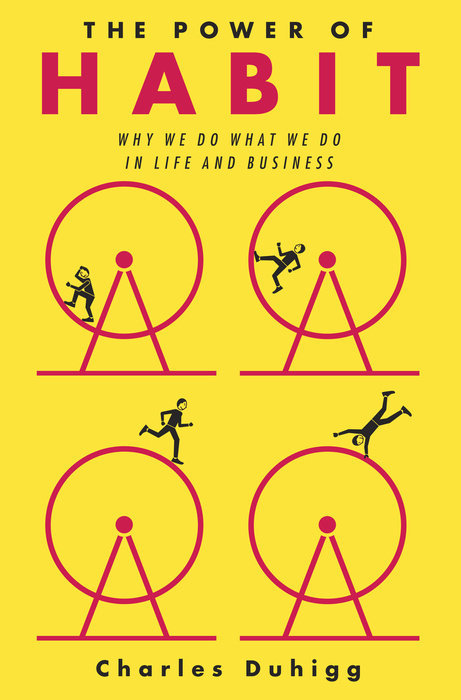
"The Power of Habit" dissects the science behind habit formation, explaining how habits function within individuals, organizations, and societies. Charles Duhigg uses compelling real-world examples, from advertising strategies to civil rights movements, to illustrate the core components of the "habit loop"—cue, routine, and reward—and how understanding it empowers behavior change.
This book shares foundational themes with "Atomic Habits," both exploring the mechanisms by which behaviors become automatic and offering frameworks for conscious habit cultivation or modification. Both authors emphasize the systematic nature of habit formation and the practical implications for personal and organizational improvement.
Its appeal lies in demystifying seemingly complex behaviors, providing actionable insights into why we do what we do. The rich case studies make the science accessible and relatable, offering concrete examples of how individuals and institutions have successfully leveraged habit principles for significant impact, proving invaluable for anyone seeking a deeper understanding of human behavior and practical strategies for positive change.
The Power of Habit: Why We Do What We Do in Life and Business
"The Power of Habit" dissects the science behind habit formation, explaining how habits function within individuals, organizations, and societies. Charles Duhigg uses compelling real-world examples, from advertising strategies to civil rights movements, to illustrate the core components of the "habit loop"—cue, routine, and reward—and how understanding it empowers behavior change.
This book shares foundational themes with "Atomic Habits," both exploring the mechanisms by which behaviors become automatic and offering frameworks for conscious habit cultivation or modification. Both authors emphasize the systematic nature of habit formation and the practical implications for personal and organizational improvement.
Its appeal lies in demystifying seemingly complex behaviors, providing actionable insights into why we do what we do. The rich case studies make the science accessible and relatable, offering concrete examples of how individuals and institutions have successfully leveraged habit principles for significant impact, proving invaluable for anyone seeking a deeper understanding of human behavior and practical strategies for positive change.
Switch: How to Change Things When Change Is Hard

"Switch" masterfully explores the psychology of change, positing that our minds operate on two distinct levels: the rational Rider and the emotional Elephant. The book argues that successful change, whether personal or organizational, requires engaging both. It offers a practical framework and actionable strategies to overcome resistance and navigate difficult transitions by appealing to logic and harnessing emotion, rather than battling against them.
This book shares significant DNA with "Atomic Habits" in its pragmatic approach to behavioral change. Both emphasize understanding the underlying mechanisms of human action to foster positive shifts. Where "Atomic Habits" meticulously details the incremental power of small, consistent actions, "Switch" provides a broader blueprint for initiating and sustaining change, recognizing the often-complex interplay of thought and feeling that drives our decisions and habits.
Individuals seeking to implement significant life changes, improve team dynamics, or even launch new initiatives will find immense value in "Switch." Its clear, engaging case studies and actionable advice offer a powerful toolkit for understanding why change is often hard and, more importantly, how to make it easier and more enduring. It provides a nuanced perspective on influencing behavior for lasting results.
Switch: How to Change Things When Change Is Hard
"Switch" masterfully explores the psychology of change, positing that our minds operate on two distinct levels: the rational Rider and the emotional Elephant. The book argues that successful change, whether personal or organizational, requires engaging both. It offers a practical framework and actionable strategies to overcome resistance and navigate difficult transitions by appealing to logic and harnessing emotion, rather than battling against them.
This book shares significant DNA with "Atomic Habits" in its pragmatic approach to behavioral change. Both emphasize understanding the underlying mechanisms of human action to foster positive shifts. Where "Atomic Habits" meticulously details the incremental power of small, consistent actions, "Switch" provides a broader blueprint for initiating and sustaining change, recognizing the often-complex interplay of thought and feeling that drives our decisions and habits.
Individuals seeking to implement significant life changes, improve team dynamics, or even launch new initiatives will find immense value in "Switch." Its clear, engaging case studies and actionable advice offer a powerful toolkit for understanding why change is often hard and, more importantly, how to make it easier and more enduring. It provides a nuanced perspective on influencing behavior for lasting results.
Tools of Titans: The Tactics, Routines, and Habits of Billionaires, Icons, and World-Class Performers

*Tools of Titans* distills the wisdom, strategies, and daily practices of over 100 world-class performers interviewed by Tim Ferriss. It’s essentially a curated collection of actionable advice, ranging from morning routines and exercise regimens to specific productivity hacks and philosophical outlooks, derived from billionaires, iconic athletes, artists, and scientists.
This book shares common ground with *Atomic Habits* in its fundamental focus on the power of habits and routines to shape success. While Clear offers a systematic framework for building and breaking habits, Ferriss provides concrete examples of those principles in action, showcasing how highly successful individuals apply consistent practices to achieve their extraordinary results. Both emphasize the incremental nature of self-improvement and the compounding effect of consistent, well-chosen actions.
Individuals seeking practical blueprints for optimizing performance and personal growth will find significant value. It offers a unique opportunity to gain direct insights and immediately applicable tactics from leaders in diverse fields, serving as a powerful source of inspiration and a practical manual for cultivating high-performance habits in one's own life.
Tools of Titans: The Tactics, Routines, and Habits of Billionaires, Icons, and World-Class Performers
*Tools of Titans* distills the wisdom, strategies, and daily practices of over 100 world-class performers interviewed by Tim Ferriss. It’s essentially a curated collection of actionable advice, ranging from morning routines and exercise regimens to specific productivity hacks and philosophical outlooks, derived from billionaires, iconic athletes, artists, and scientists.
This book shares common ground with *Atomic Habits* in its fundamental focus on the power of habits and routines to shape success. While Clear offers a systematic framework for building and breaking habits, Ferriss provides concrete examples of those principles in action, showcasing how highly successful individuals apply consistent practices to achieve their extraordinary results. Both emphasize the incremental nature of self-improvement and the compounding effect of consistent, well-chosen actions.
Individuals seeking practical blueprints for optimizing performance and personal growth will find significant value. It offers a unique opportunity to gain direct insights and immediately applicable tactics from leaders in diverse fields, serving as a powerful source of inspiration and a practical manual for cultivating high-performance habits in one's own life.
Influencer: The Power to Change Anything
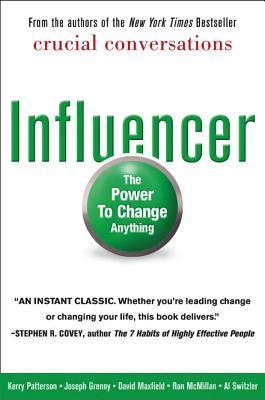
"Influencer" delves into the science of driving significant, lasting behavioral change in individuals, groups, and organizations. It outlines a powerful six-source model for identifying and influencing the factors that shape behavior, moving beyond conventional wisdom to explore deeper psychological and social levers. The book offers a practical framework for tackling ingrained habits and achieving profound, positive shifts.
This book resonates with "Atomic Habits" because both texts fundamentally explore the mechanisms of behavior modification. While Clear focuses intensely on individual habit formation through small, incremental changes and environmental cues, "Influencer" broadens this scope to encompass more complex, multi-person behavioral challenges. Both emphasize understanding the underlying triggers and systems that either enable or impede desired actions.
For those who appreciated "Atomic Habits," "Influencer" offers a compelling expansion of the concepts of behavioral change. It equips individuals with a robust toolkit for not just personal improvement, but also for leading and facilitating transformative change in their communities, workplaces, or even at a societal level. The practical strategies provide a pathway to effectively address complex behavioral problems, delivering tangible and sustainable outcomes.
Influencer: The Power to Change Anything
"Influencer" delves into the science of driving significant, lasting behavioral change in individuals, groups, and organizations. It outlines a powerful six-source model for identifying and influencing the factors that shape behavior, moving beyond conventional wisdom to explore deeper psychological and social levers. The book offers a practical framework for tackling ingrained habits and achieving profound, positive shifts.
This book resonates with "Atomic Habits" because both texts fundamentally explore the mechanisms of behavior modification. While Clear focuses intensely on individual habit formation through small, incremental changes and environmental cues, "Influencer" broadens this scope to encompass more complex, multi-person behavioral challenges. Both emphasize understanding the underlying triggers and systems that either enable or impede desired actions.
For those who appreciated "Atomic Habits," "Influencer" offers a compelling expansion of the concepts of behavioral change. It equips individuals with a robust toolkit for not just personal improvement, but also for leading and facilitating transformative change in their communities, workplaces, or even at a societal level. The practical strategies provide a pathway to effectively address complex behavioral problems, delivering tangible and sustainable outcomes.
The Slight Edge

"The Slight Edge" posits that significant, long-term success isn't built on dramatic breakthroughs or immense leaps, but rather on consistently performing small, seemingly insignificant positive actions every single day. It emphasizes the cumulative effect of these simple daily choices, illustrating how they either propel individuals towards their goals (the "slight edge") or lead them astray through consistent negative choices. The book advocates for embracing process over outcome, fostering a mindset that appreciates the power of incremental progress.
This book shares foundational principles with "Atomic Habits" by focusing on the profound impact of small, repeatable behaviors. Both texts argue that sustainable transformation comes from mastering daily routines, rather than relying on bursts of motivation or willpower. They highlight the idea that habits, whether good or bad, snowball over time, dictating one's trajectory. Both books offer practical frameworks for understanding and implementing these behavioral changes.
The value in "The Slight Edge" lies in its compelling demonstration of how seemingly minor decisions compound into monumental results. It offers a powerful antidote to the allure of instant gratification, providing a relatable and actionable philosophy for achieving long-term personal and professional growth. This perspective cultivates a sense of agency and empowers individuals to recognize their capacity for consistent self-improvement.
The Slight Edge
"The Slight Edge" posits that significant, long-term success isn't built on dramatic breakthroughs or immense leaps, but rather on consistently performing small, seemingly insignificant positive actions every single day. It emphasizes the cumulative effect of these simple daily choices, illustrating how they either propel individuals towards their goals (the "slight edge") or lead them astray through consistent negative choices. The book advocates for embracing process over outcome, fostering a mindset that appreciates the power of incremental progress.
This book shares foundational principles with "Atomic Habits" by focusing on the profound impact of small, repeatable behaviors. Both texts argue that sustainable transformation comes from mastering daily routines, rather than relying on bursts of motivation or willpower. They highlight the idea that habits, whether good or bad, snowball over time, dictating one's trajectory. Both books offer practical frameworks for understanding and implementing these behavioral changes.
The value in "The Slight Edge" lies in its compelling demonstration of how seemingly minor decisions compound into monumental results. It offers a powerful antidote to the allure of instant gratification, providing a relatable and actionable philosophy for achieving long-term personal and professional growth. This perspective cultivates a sense of agency and empowers individuals to recognize their capacity for consistent self-improvement.
The Miracle Morning: The Not-So-Obvious Secret Guaranteed to Transform Your Life: Before 8AM
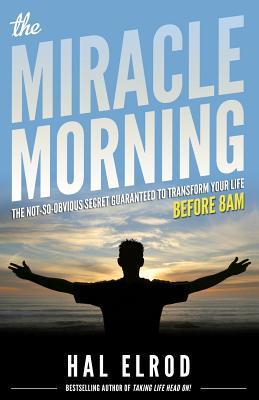
"The Miracle Morning" proposes a structured morning routine, known as S.A.V.E.R.S. (Silence, Affirmations, Visualization, Exercise, Reading, Scribing), to unlock personal potential and achieve goals. It emphasizes the transformative power of consistently dedicating time to personal development activities before the demands of the day begin. The book argues that by intentionally cultivating these practices early, individuals can significantly enhance their productivity, well-being, and overall life satisfaction.
This book shares fundamental similarities with "Atomic Habits" in its core message of behavioral change and self-improvement. Both authors advocate for the power of small, consistent actions to create significant, long-term results. While "Atomic Habits" focuses on the *mechanics* of habit formation, "The Miracle Morning" provides a specific *framework* for implementing a set of beneficial habits, making the abstract actionable and tangible for the reader.
This approach will appeal to anyone seeking a practical, immediately implementable strategy for personal growth and increased effectiveness. Its clear, prescriptive guidance offers a roadmap to establish positive daily routines, fostering a sense of control and intentionality over one's life. The book’s value lies in its actionable steps, empowering individuals to start their day with purpose and build momentum toward their aspirations.
The Miracle Morning: The Not-So-Obvious Secret Guaranteed to Transform Your Life: Before 8AM
"The Miracle Morning" proposes a structured morning routine, known as S.A.V.E.R.S. (Silence, Affirmations, Visualization, Exercise, Reading, Scribing), to unlock personal potential and achieve goals. It emphasizes the transformative power of consistently dedicating time to personal development activities before the demands of the day begin. The book argues that by intentionally cultivating these practices early, individuals can significantly enhance their productivity, well-being, and overall life satisfaction.
This book shares fundamental similarities with "Atomic Habits" in its core message of behavioral change and self-improvement. Both authors advocate for the power of small, consistent actions to create significant, long-term results. While "Atomic Habits" focuses on the *mechanics* of habit formation, "The Miracle Morning" provides a specific *framework* for implementing a set of beneficial habits, making the abstract actionable and tangible for the reader.
This approach will appeal to anyone seeking a practical, immediately implementable strategy for personal growth and increased effectiveness. Its clear, prescriptive guidance offers a roadmap to establish positive daily routines, fostering a sense of control and intentionality over one's life. The book’s value lies in its actionable steps, empowering individuals to start their day with purpose and build momentum toward their aspirations.
More Books to Explore
Discover more titles that expand on these ideas and themes.
Mini Habits: Smaller Habits, Bigger Results
The Excellence Habit - How Small Changes In Our Mindset Can Make A Big Difference In Our Lives: For All Who Feel Stuck
Better Than Before: Mastering the Habits of Our Everyday Lives
The Compound Effect: Jumpstart Your Income, Your Life, Your Success
The Power of Habit: Why We Do What We Do in Life and Business
Switch: How to Change Things When Change Is Hard