10 Books Similar to "Atlas of the Heart: Mapping Meaningful Connection and the Language of Human Experience"
by Brené Brown
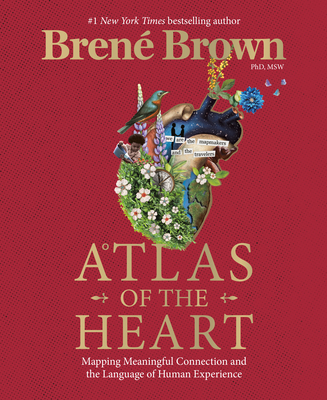
The Power of Vulnerability: Teachings of Authenticity, Connections and Courage

"The Power of Vulnerability" by Brené Brown delves into the profound impact of embracing our imperfections and fears as a pathway to genuine connection and a more fulfilling life. Brown, a research professor, synthesizes decades of data to argue that vulnerability is not a weakness, but a courageous act essential for love, belonging, and joy. The book explores how societal pressures often lead us to numb our emotions, but true authenticity emerges when we dare to be seen, imperfections and all.
This book shares significant thematic overlap with "Atlas of the Heart" by expanding on the foundational concepts of emotional literacy and human connection. Both works emphasize the importance of understanding and articulating our internal experiences to foster meaningful relationships. While "Atlas of the Heart" taxonomizes emotions, "The Power of Vulnerability" explores the *why* and *how* of engaging with these emotions, particularly those that feel uncomfortable, to build deeper connections with ourselves and others. Both are deeply rooted in Brown's signature research-backed approach to human experience.
This volume offers a compelling framework for personal growth and relational improvement. It empowers individuals to shed the armor of perfectionism and shame, encouraging a more open and authentic way of living. The insights provided can transform how one approaches relationships, self-acceptance, and even professional environments, fundamentally shifting perspectives on strength and courage.
The Power of Vulnerability: Teachings of Authenticity, Connections and Courage
"The Power of Vulnerability" by Brené Brown delves into the profound impact of embracing our imperfections and fears as a pathway to genuine connection and a more fulfilling life. Brown, a research professor, synthesizes decades of data to argue that vulnerability is not a weakness, but a courageous act essential for love, belonging, and joy. The book explores how societal pressures often lead us to numb our emotions, but true authenticity emerges when we dare to be seen, imperfections and all.
This book shares significant thematic overlap with "Atlas of the Heart" by expanding on the foundational concepts of emotional literacy and human connection. Both works emphasize the importance of understanding and articulating our internal experiences to foster meaningful relationships. While "Atlas of the Heart" taxonomizes emotions, "The Power of Vulnerability" explores the *why* and *how* of engaging with these emotions, particularly those that feel uncomfortable, to build deeper connections with ourselves and others. Both are deeply rooted in Brown's signature research-backed approach to human experience.
This volume offers a compelling framework for personal growth and relational improvement. It empowers individuals to shed the armor of perfectionism and shame, encouraging a more open and authentic way of living. The insights provided can transform how one approaches relationships, self-acceptance, and even professional environments, fundamentally shifting perspectives on strength and courage.
Daring Greatly: How the Courage to Be Vulnerable Transforms the Way We Live, Love, Parent, and Lead
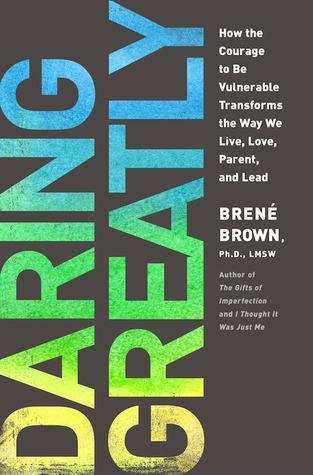
"Daring Greatly" argues that vulnerability is not a weakness but our greatest measure of courage. Brené Brown introduces the concept of "daring greatly" as the willingness to show up and be seen, even when there are no guarantees. She explores how embracing vulnerability transforms our relationships, work, and personal lives by allowing for deeper connection and authentic engagement, rather than shielding ourselves from potential criticism or failure.
Both books, "Daring Greatly" and "Atlas of the Heart," delve deeply into the human experience and our emotional landscape. While "Atlas of the Heart" maps specific emotions and experiences, "Daring Greatly" provides the foundational psychological framework for navigating those emotions with courage. Both works are ultimately about fostering more meaningful connection, self-understanding, and a more fulfilling life by confronting the discomfort inherent in being fully human.
This book will appeal to individuals seeking to cultivate more authentic relationships, improve leadership skills, or simply live a more wholehearted life. Its insights provide actionable strategies for navigating uncertainty and shame, ultimately empowering individuals to step into their true selves and embrace the risks inherent in a life well-lived.
Daring Greatly: How the Courage to Be Vulnerable Transforms the Way We Live, Love, Parent, and Lead
"Daring Greatly" argues that vulnerability is not a weakness but our greatest measure of courage. Brené Brown introduces the concept of "daring greatly" as the willingness to show up and be seen, even when there are no guarantees. She explores how embracing vulnerability transforms our relationships, work, and personal lives by allowing for deeper connection and authentic engagement, rather than shielding ourselves from potential criticism or failure.
Both books, "Daring Greatly" and "Atlas of the Heart," delve deeply into the human experience and our emotional landscape. While "Atlas of the Heart" maps specific emotions and experiences, "Daring Greatly" provides the foundational psychological framework for navigating those emotions with courage. Both works are ultimately about fostering more meaningful connection, self-understanding, and a more fulfilling life by confronting the discomfort inherent in being fully human.
This book will appeal to individuals seeking to cultivate more authentic relationships, improve leadership skills, or simply live a more wholehearted life. Its insights provide actionable strategies for navigating uncertainty and shame, ultimately empowering individuals to step into their true selves and embrace the risks inherent in a life well-lived.
Braving the Wilderness

"Braving the Wilderness" explores the concept of "true belonging" – the profound sense of connection found not by fitting in or conforming, but by standing alone, being your authentic self, even when it means facing discomfort or criticism. It challenges the societal pressures to belong by sacrificing individuality, advocating instead for the courage to embrace our unique perspectives and values.
This book resonates with "Atlas of the Heart" by delving deeply into the nuances of human experience and connection. Both works unpack complex emotional landscapes, providing a vocabulary and framework for understanding our inner lives and how they shape our interactions. While "Atlas" broadly maps various emotions, "Braving the Wilderness" hones in on the specific emotional journey required to cultivate genuine self-acceptance and belonging.
It offers profound insights for anyone seeking a more authentic and courageous life. Its value lies in equipping individuals with the understanding and motivation to navigate a world often demanding conformity, empowering them to cultivate meaningful connection through integrity and self-possession rather than seeking validation from external sources.
Braving the Wilderness
"Braving the Wilderness" explores the concept of "true belonging" – the profound sense of connection found not by fitting in or conforming, but by standing alone, being your authentic self, even when it means facing discomfort or criticism. It challenges the societal pressures to belong by sacrificing individuality, advocating instead for the courage to embrace our unique perspectives and values.
This book resonates with "Atlas of the Heart" by delving deeply into the nuances of human experience and connection. Both works unpack complex emotional landscapes, providing a vocabulary and framework for understanding our inner lives and how they shape our interactions. While "Atlas" broadly maps various emotions, "Braving the Wilderness" hones in on the specific emotional journey required to cultivate genuine self-acceptance and belonging.
It offers profound insights for anyone seeking a more authentic and courageous life. Its value lies in equipping individuals with the understanding and motivation to navigate a world often demanding conformity, empowering them to cultivate meaningful connection through integrity and self-possession rather than seeking validation from external sources.
The Gifts of Imperfection

"The Gifts of Imperfection" explores how embracing vulnerability, self-compassion, and authentic living can lead to a more fulfilling existence. It challenges the pursuit of perfection, advocating instead for the courage to be imperfect and the cultivation of worthiness. Brown illuminates the ten guideposts of wholehearted living, providing a framework for cultivating resilience and connection amidst life's inherent messiness.
This book resonates with
"Atlas of the Heart" because both works delve into the nuances of human emotion and experience as a pathway to deeper connection. "The Gifts of Imperfection" lays foundational principles for living authentically and understanding one's inner landscape, much like "Atlas of the Heart" provides a vocabulary and framework for navigating our emotional world. Both ultimately aim to equip individuals with tools for more meaningful engagement with themselves and others.
Individuals drawn to introspection and personal growth will appreciate "The Gifts of Imperfection" for its actionable insights and empathetic approach. It offers a powerful antidote to self-criticism and societal pressures, inspiring a shift towards self-acceptance and genuine living. The practical strategies presented empower one to shed the burden of striving for impossible ideals, fostering a more compassionate and connected life.
The Gifts of Imperfection
"The Gifts of Imperfection" explores how embracing vulnerability, self-compassion, and authentic living can lead to a more fulfilling existence. It challenges the pursuit of perfection, advocating instead for the courage to be imperfect and the cultivation of worthiness. Brown illuminates the ten guideposts of wholehearted living, providing a framework for cultivating resilience and connection amidst life's inherent messiness.
This book resonates with
"Atlas of the Heart" because both works delve into the nuances of human emotion and experience as a pathway to deeper connection. "The Gifts of Imperfection" lays foundational principles for living authentically and understanding one's inner landscape, much like "Atlas of the Heart" provides a vocabulary and framework for navigating our emotional world. Both ultimately aim to equip individuals with tools for more meaningful engagement with themselves and others.
Individuals drawn to introspection and personal growth will appreciate "The Gifts of Imperfection" for its actionable insights and empathetic approach. It offers a powerful antidote to self-criticism and societal pressures, inspiring a shift towards self-acceptance and genuine living. The practical strategies presented empower one to shed the burden of striving for impossible ideals, fostering a more compassionate and connected life.
Rising Strong: The Reckoning. The Rumble. The Revolution
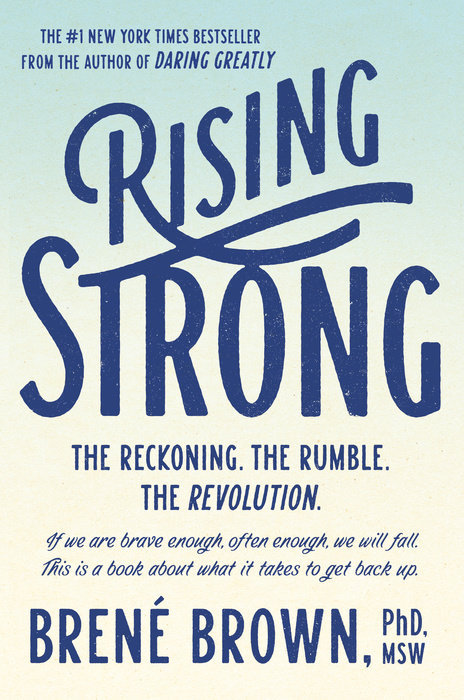
"Rising Strong" delves into the process of recovering from failure, disappointment, and heartbreak. It outlines a three-step methodology – the reckoning, the rumble, and the revolution – for bravely confronting our emotions, understanding the stories we tell ourselves, and ultimately integrating our experiences to live with greater courage and wholeheartedness.
Both books center on developing a deeper understanding of our internal landscape and how it shapes our lives. While "Atlas of the Heart" focuses on mapping out the full spectrum of human emotions and experiences for more meaningful connection, "Rising Strong" provides a practical framework for navigating the inevitable challenges that arise within those experiences, offering tools to move through vulnerability and towards resilience.
This book offers a powerful framework for anyone seeking to build resilience and move forward after setbacks. Its honest exploration of human vulnerability and the actionable steps for processing difficult emotions make it an invaluable guide for personal growth, fostering a deeper sense of self-awareness and empowering a more courageous engagement with life^{\prime}s complexities.
Rising Strong: The Reckoning. The Rumble. The Revolution
"Rising Strong" delves into the process of recovering from failure, disappointment, and heartbreak. It outlines a three-step methodology – the reckoning, the rumble, and the revolution – for bravely confronting our emotions, understanding the stories we tell ourselves, and ultimately integrating our experiences to live with greater courage and wholeheartedness.
Both books center on developing a deeper understanding of our internal landscape and how it shapes our lives. While "Atlas of the Heart" focuses on mapping out the full spectrum of human emotions and experiences for more meaningful connection, "Rising Strong" provides a practical framework for navigating the inevitable challenges that arise within those experiences, offering tools to move through vulnerability and towards resilience.
This book offers a powerful framework for anyone seeking to build resilience and move forward after setbacks. Its honest exploration of human vulnerability and the actionable steps for processing difficult emotions make it an invaluable guide for personal growth, fostering a deeper sense of self-awareness and empowering a more courageous engagement with life^{\prime}s complexities.
Dare to Lead
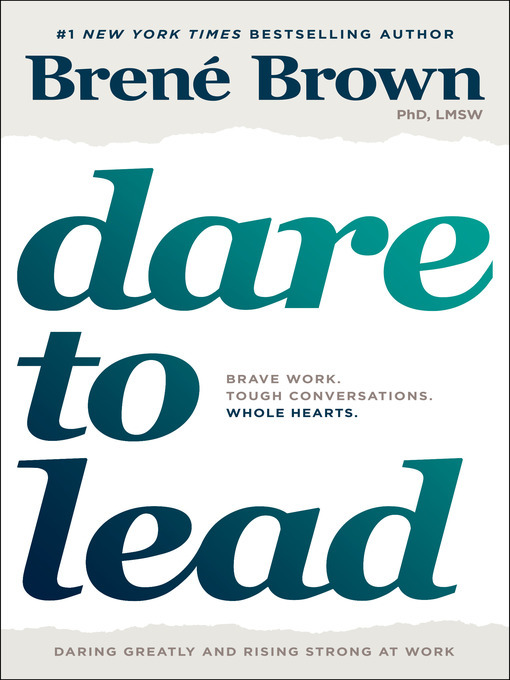
"Dare to Lead" provides a practical framework for developing courage-based leadership, applicable to any professional setting. It deconstructs the four skill sets of brave leadership – rumbling with vulnerability, living into our values, braving trust, and learning to rise – offering actionable strategies to cultivate them personally and within teams. Brown emphasizes that true leadership isn't about titles or power, but about fostering connection, integrity, and resilience.
Its similarity to "Atlas of the Heart" lies in their shared exploration of human emotions and experiences as foundational to effective functioning. While "Atlas" maps the nuances of our internal landscape, "Dare to Lead" applies this understanding directly to organizational dynamics and leadership challenges. Both books dissect complex emotional states, offering vocabulary and frameworks to navigate them constructively, ultimately aiming to enhance profound human connection.
This book will appeal to individuals seeking to elevate their leadership capabilities beyond traditional management techniques. It offers a compassionate yet rigorous approach to cultivating self-awareness and emotional intelligence, essential for building resilient teams and fostering innovative environments. The actionable insights and robust research provide a roadmap for creating cultures of courage and belonging, proving invaluable for anyone committed to personal and professional growth.
Dare to Lead
"Dare to Lead" provides a practical framework for developing courage-based leadership, applicable to any professional setting. It deconstructs the four skill sets of brave leadership – rumbling with vulnerability, living into our values, braving trust, and learning to rise – offering actionable strategies to cultivate them personally and within teams. Brown emphasizes that true leadership isn't about titles or power, but about fostering connection, integrity, and resilience.
Its similarity to "Atlas of the Heart" lies in their shared exploration of human emotions and experiences as foundational to effective functioning. While "Atlas" maps the nuances of our internal landscape, "Dare to Lead" applies this understanding directly to organizational dynamics and leadership challenges. Both books dissect complex emotional states, offering vocabulary and frameworks to navigate them constructively, ultimately aiming to enhance profound human connection.
This book will appeal to individuals seeking to elevate their leadership capabilities beyond traditional management techniques. It offers a compassionate yet rigorous approach to cultivating self-awareness and emotional intelligence, essential for building resilient teams and fostering innovative environments. The actionable insights and robust research provide a roadmap for creating cultures of courage and belonging, proving invaluable for anyone committed to personal and professional growth.
I Thought It Was Just Me: Women Reclaiming Power and Courage in a Culture of Shame

"I Thought It Was Just Me" delves into the pervasive experience of shame, particularly among women, and offers a path to understanding and overcoming it. It explores how shame is often normalized and internalized, leading to feelings of isolation and inadequacy, and provides strategies for building resilience and embracing vulnerability as a source of strength. Brown illustrates how confronting shame allows individuals to reclaim their power and live more authentically.
This book shares foundational themes with "Atlas of the Heart" by meticulously mapping internal experiences and emotions. While "Atlas" broadly categorizes and defines a wide spectrum of human feelings to foster connection, "I Thought It Was Just Me" focuses specifically on the nuanced landscape of shame and its impact, acting as an earlier, more concentrated exploration of a key emotion later integrated into the broader emotional atlas. Both works emphasize the importance of understanding our inner worlds to navigate external relationships and achieve genuine connection.
The appeal of "I Thought It Was Just Me" lies in its profound ability to articulate a universal yet often unspoken struggle. It validates feelings of isolation by revealing the shared nature of shame, empowering individuals to break free from its grip. The book offers practical insights and a sense of camaraderie, fostering a deeper self-awareness and encouraging the courage needed to live wholeheartedly, making it an invaluable resource for personal growth and emotional liberation.
I Thought It Was Just Me: Women Reclaiming Power and Courage in a Culture of Shame
"I Thought It Was Just Me" delves into the pervasive experience of shame, particularly among women, and offers a path to understanding and overcoming it. It explores how shame is often normalized and internalized, leading to feelings of isolation and inadequacy, and provides strategies for building resilience and embracing vulnerability as a source of strength. Brown illustrates how confronting shame allows individuals to reclaim their power and live more authentically.
This book shares foundational themes with "Atlas of the Heart" by meticulously mapping internal experiences and emotions. While "Atlas" broadly categorizes and defines a wide spectrum of human feelings to foster connection, "I Thought It Was Just Me" focuses specifically on the nuanced landscape of shame and its impact, acting as an earlier, more concentrated exploration of a key emotion later integrated into the broader emotional atlas. Both works emphasize the importance of understanding our inner worlds to navigate external relationships and achieve genuine connection.
The appeal of "I Thought It Was Just Me" lies in its profound ability to articulate a universal yet often unspoken struggle. It validates feelings of isolation by revealing the shared nature of shame, empowering individuals to break free from its grip. The book offers practical insights and a sense of camaraderie, fostering a deeper self-awareness and encouraging the courage needed to live wholeheartedly, making it an invaluable resource for personal growth and emotional liberation.
How to Know a Person: The Art of Seeing Others Deeply and Being Deeply Seen

"How to Know a Person: The Art of Seeing Others Deeply and Being Deeply Seen" explores the profound human need for connection and understanding. David Brooks guides us through practical approaches to truly *see* and comprehend others beyond superficial interactions, emphasizing empathy, active listening, and the courage to reveal our authentic selves. It's a manual for cultivating richer relationships and fostering genuine intimacy in an often-distracted world.
This book resonates strongly with "Atlas of the Heart" due to their shared ambition of charting the landscape of human emotion and connection. Both authors delve into the nuanced language of our inner lives, aiming to equip individuals with the tools to navigate relationships with greater insight and compassion. While Brown categorizes and defines emotions, Brooks provides a methodology for applying that understanding in interpersonal engagement.
The book will appeal to those who yearn for deeper, more meaningful human connections, recognizing the societal challenge of isolation despite constant digital interaction. It offers actionable strategies for bridging divides, understanding different perspectives, and fostering a sense of belonging in personal and professional spheres. Its practical wisdom provides a pathway to becoming a more attuned and impactful presence in the lives of others, and in turn, experiencing profound reciprocity.
How to Know a Person: The Art of Seeing Others Deeply and Being Deeply Seen
"How to Know a Person: The Art of Seeing Others Deeply and Being Deeply Seen" explores the profound human need for connection and understanding. David Brooks guides us through practical approaches to truly *see* and comprehend others beyond superficial interactions, emphasizing empathy, active listening, and the courage to reveal our authentic selves. It's a manual for cultivating richer relationships and fostering genuine intimacy in an often-distracted world.
This book resonates strongly with "Atlas of the Heart" due to their shared ambition of charting the landscape of human emotion and connection. Both authors delve into the nuanced language of our inner lives, aiming to equip individuals with the tools to navigate relationships with greater insight and compassion. While Brown categorizes and defines emotions, Brooks provides a methodology for applying that understanding in interpersonal engagement.
The book will appeal to those who yearn for deeper, more meaningful human connections, recognizing the societal challenge of isolation despite constant digital interaction. It offers actionable strategies for bridging divides, understanding different perspectives, and fostering a sense of belonging in personal and professional spheres. Its practical wisdom provides a pathway to becoming a more attuned and impactful presence in the lives of others, and in turn, experiencing profound reciprocity.
Find Your People: Building Deep Community in a Lonely World
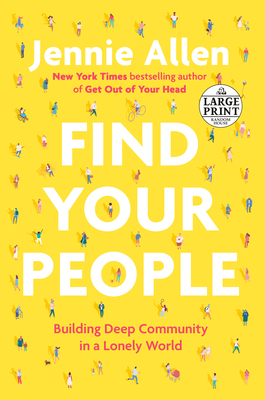
"Find Your People: Building Deep Community in a Lonely World" by Jennie Allen addresses the pervasive issue of modern loneliness by guiding individuals through the process of cultivating authentic and lasting community. Allen emphasizes the critical need for intentional connection, outlining practical steps and mindsets to overcome barriers to deep relationships, ultimately fostering a sense of belonging and support in an increasingly isolated society.
This book shares thematic roots with "Atlas of the Heart" through its exploration of fundamental human needs and emotional landscapes. Both authors delve into the essence of meaningful connection, albeit from slightly different angles. Brown focuses on understanding the language of human emotion to foster connection, while Allen provides a practical roadmap for actively building the very communities where these emotional understandings can thrive. Both works aim to enrich an individual's relational world.
This book will appeal to those seeking actionable strategies to combat isolation and build more fulfilling social circles. Its direct, empathetic approach provides a valuable framework for navigating the complexities of modern relationships, offering encouragement and practical guidance for anyone yearning for deeper, more supportive human connections in their lives.
Find Your People: Building Deep Community in a Lonely World
"Find Your People: Building Deep Community in a Lonely World" by Jennie Allen addresses the pervasive issue of modern loneliness by guiding individuals through the process of cultivating authentic and lasting community. Allen emphasizes the critical need for intentional connection, outlining practical steps and mindsets to overcome barriers to deep relationships, ultimately fostering a sense of belonging and support in an increasingly isolated society.
This book shares thematic roots with "Atlas of the Heart" through its exploration of fundamental human needs and emotional landscapes. Both authors delve into the essence of meaningful connection, albeit from slightly different angles. Brown focuses on understanding the language of human emotion to foster connection, while Allen provides a practical roadmap for actively building the very communities where these emotional understandings can thrive. Both works aim to enrich an individual's relational world.
This book will appeal to those seeking actionable strategies to combat isolation and build more fulfilling social circles. Its direct, empathetic approach provides a valuable framework for navigating the complexities of modern relationships, offering encouragement and practical guidance for anyone yearning for deeper, more supportive human connections in their lives.
Connect: 12 Vital Ties That Open Your Heart, Lengthen Your Life, and Deepen Your Soul
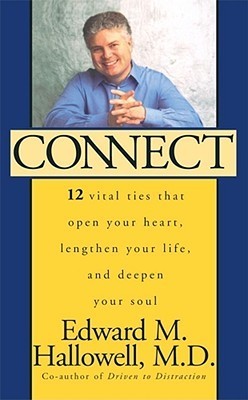
"Connect" by Edward Hallowell explores twelve fundamental "ties"—instincts like play, empathy, ritual, and humor—that bind us to others and ourselves. It argues that nurturing these connections is crucial for mental well-being, physical health, and a profound sense of purpose. Hallowell, a psychiatrist, blends personal anecdotes, clinical insights, and societal observations to illustrate how these ties, when honored, enrich life and mitigate feelings of isolation.
This book shares significant thematic ground with Brené Brown's "Atlas of the Heart." Both works meticulously map the landscape of human emotion and connection, emphasizing their profound impact on individual experience and collective flourishing. While Brown focuses on defining and understanding emotions to foster meaningful connection, Hallowell provides a practical framework of distinct "ties" that actively facilitate and strengthen these very connections, offering actionable paths toward emotional intelligence and interpersonal richness.
The insights offered in "Connect" will resonate deeply. Its exploration of fundamental human needs and the practical guidance for strengthening relational bonds fosters a greater sense of belonging and agency. The clarity of its framework and the actionable nature of its advice make it a compelling resource for anyone seeking to cultivate deeper relationships, enhance psychological resilience, and find more profound meaning in their everyday interactions.
Connect: 12 Vital Ties That Open Your Heart, Lengthen Your Life, and Deepen Your Soul
"Connect" by Edward Hallowell explores twelve fundamental "ties"—instincts like play, empathy, ritual, and humor—that bind us to others and ourselves. It argues that nurturing these connections is crucial for mental well-being, physical health, and a profound sense of purpose. Hallowell, a psychiatrist, blends personal anecdotes, clinical insights, and societal observations to illustrate how these ties, when honored, enrich life and mitigate feelings of isolation.
This book shares significant thematic ground with Brené Brown's "Atlas of the Heart." Both works meticulously map the landscape of human emotion and connection, emphasizing their profound impact on individual experience and collective flourishing. While Brown focuses on defining and understanding emotions to foster meaningful connection, Hallowell provides a practical framework of distinct "ties" that actively facilitate and strengthen these very connections, offering actionable paths toward emotional intelligence and interpersonal richness.
The insights offered in "Connect" will resonate deeply. Its exploration of fundamental human needs and the practical guidance for strengthening relational bonds fosters a greater sense of belonging and agency. The clarity of its framework and the actionable nature of its advice make it a compelling resource for anyone seeking to cultivate deeper relationships, enhance psychological resilience, and find more profound meaning in their everyday interactions.
More Books to Explore
Discover more titles that expand on these ideas and themes.
The Power of Vulnerability: Teachings of Authenticity, Connections and Courage
Daring Greatly: How the Courage to Be Vulnerable Transforms the Way We Live, Love, Parent, and Lead
Braving the Wilderness
The Gifts of Imperfection
Rising Strong: The Reckoning. The Rumble. The Revolution
Dare to Lead