10 Books Similar to "Archangel"
by Robert Harris

Red Square
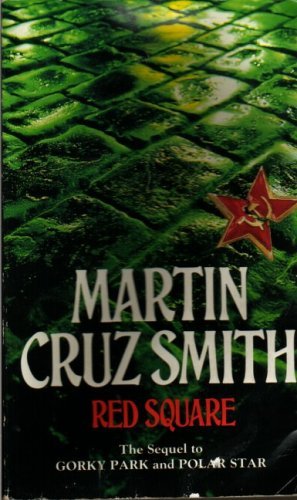
*Red Square* continues the compelling journey of Arkady Renko, a Moscow detective, as he becomes entangled in a dangerous web of organized crime, political intrigue, and the shadowy undercurrents of the collapsing Soviet Union. Renko navigates a world where old loyalties crumble and new, brutal powers emerge, all while attempting to solve a murder that threatens to expose far-reaching corruption.
The similarity to *Archangel* lies in their shared exploration of post-Soviet turbulence and the lingering, often violent, influence of Russia's past. Both novels feature protagonists – Fluke Kelso in *Archangel* and Arkady Renko – who are outsiders, morally driven figures investigating mysteries that pull them into historical conspiracies and contemporary dangers, often involving rediscovered secrets and powerful, unprincipled adversaries.
This book offers a fascinating glimpse into a pivotal historical moment, providing both a gripping mystery and a nuanced character study of a man striving for justice in a disintegrating system. Its intricate plot, authentic atmosphere, and exploration of moral ambiguity against a backdrop of sweeping societal change provide significant intellectual and emotional engagement.
Red Square
*Red Square* continues the compelling journey of Arkady Renko, a Moscow detective, as he becomes entangled in a dangerous web of organized crime, political intrigue, and the shadowy undercurrents of the collapsing Soviet Union. Renko navigates a world where old loyalties crumble and new, brutal powers emerge, all while attempting to solve a murder that threatens to expose far-reaching corruption.
The similarity to *Archangel* lies in their shared exploration of post-Soviet turbulence and the lingering, often violent, influence of Russia's past. Both novels feature protagonists – Fluke Kelso in *Archangel* and Arkady Renko – who are outsiders, morally driven figures investigating mysteries that pull them into historical conspiracies and contemporary dangers, often involving rediscovered secrets and powerful, unprincipled adversaries.
This book offers a fascinating glimpse into a pivotal historical moment, providing both a gripping mystery and a nuanced character study of a man striving for justice in a disintegrating system. Its intricate plot, authentic atmosphere, and exploration of moral ambiguity against a backdrop of sweeping societal change provide significant intellectual and emotional engagement.
Fatherland

"Fatherland" is an alternate history thriller set in 1964, twenty years after a hypothetical Nazi victory in World War II. It follows SS detective Xavier March as he investigates a seemingly routine murder, which soon exposes a vast conspiracy reaching the highest echelons of the regime and threatening to unravel the carefully constructed facade of peace. The narrative masterfully blends police procedural with a chilling exploration of a world forged
Fatherland
"Fatherland" is an alternate history thriller set in 1964, twenty years after a hypothetical Nazi victory in World War II. It follows SS detective Xavier March as he investigates a seemingly routine murder, which soon exposes a vast conspiracy reaching the highest echelons of the regime and threatening to unravel the carefully constructed facade of peace. The narrative masterfully blends police procedural with a chilling exploration of a world forged
Enigma
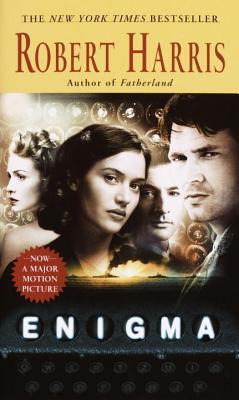
*Enigma* plunges into the intense world of Bletchley Park during WWII, following the brilliant but troubled mathematician Tom Jericho as he races against time to break a new, unbreakable German naval code. His quest is entangled with the disappearance of a woman he loves, leaving him to decipher both cryptographic and personal mysteries amidst the high-stakes pressure of wartime intelligence.
The similarity to *Archangel* lies in their shared exploration of historical events through the lens of a compelling mystery and a solitary protagonist. Both novels feature individuals driven by a profound puzzle – historical for Fluke in *Archangel*, cryptographic for Jericho in *Enigma* – hinting at dangerous secrets and requiring meticulous investigation. Harris expertly crafts narratives where the past holds the key to understanding urgent present-day threats.
This novel will appeal for its meticulously researched historical setting, intellectual intrigue, and character-driven suspense. It offers a gripping narrative that combines a historical thriller with a poignant human drama, inviting engagement with the extraordinary minds behind the war efforts and the profound personal costs of their work.
Enigma
*Enigma* plunges into the intense world of Bletchley Park during WWII, following the brilliant but troubled mathematician Tom Jericho as he races against time to break a new, unbreakable German naval code. His quest is entangled with the disappearance of a woman he loves, leaving him to decipher both cryptographic and personal mysteries amidst the high-stakes pressure of wartime intelligence.
The similarity to *Archangel* lies in their shared exploration of historical events through the lens of a compelling mystery and a solitary protagonist. Both novels feature individuals driven by a profound puzzle – historical for Fluke in *Archangel*, cryptographic for Jericho in *Enigma* – hinting at dangerous secrets and requiring meticulous investigation. Harris expertly crafts narratives where the past holds the key to understanding urgent present-day threats.
This novel will appeal for its meticulously researched historical setting, intellectual intrigue, and character-driven suspense. It offers a gripping narrative that combines a historical thriller with a poignant human drama, inviting engagement with the extraordinary minds behind the war efforts and the profound personal costs of their work.
A Shadow in Moscow

"A Shadow in Moscow" centers on a young American woman, Anya, working for the CIA during the Cold War. Her assignment involves a high-stakes intelligence operation in Moscow, where she must navigate a world of deception, double agents, and the ever-present threat of exposure, all while grappling with personal betrayals and moral ambiguities. The narrative delves into the psychological toll of espionage and the blurred lines between duty and personal conscience.
This novel shares similarities with "Archangel" through its deep dive into Cold War espionage and the historical backdrop of a powerful, secretive regime. Both books feature protagonists who uncover long-buried secrets with significant political implications, requiring them to operate in a dangerous and morally compromised environment. The tension derived from uncovering hidden truths in a hostile setting is a strong common thread.
This book offers a compelling narrative for those drawn to historical thrillers featuring strong female protagonists and intricate plots. It provides a nuanced exploration of Cold War dynamics, the personal sacrifices demanded by intelligence work, and the enduring human struggle for truth amidst manipulation. The rich historical detail and psychological depth make it a rewarding and thought-provoking read.
A Shadow in Moscow
"A Shadow in Moscow" centers on a young American woman, Anya, working for the CIA during the Cold War. Her assignment involves a high-stakes intelligence operation in Moscow, where she must navigate a world of deception, double agents, and the ever-present threat of exposure, all while grappling with personal betrayals and moral ambiguities. The narrative delves into the psychological toll of espionage and the blurred lines between duty and personal conscience.
This novel shares similarities with "Archangel" through its deep dive into Cold War espionage and the historical backdrop of a powerful, secretive regime. Both books feature protagonists who uncover long-buried secrets with significant political implications, requiring them to operate in a dangerous and morally compromised environment. The tension derived from uncovering hidden truths in a hostile setting is a strong common thread.
This book offers a compelling narrative for those drawn to historical thrillers featuring strong female protagonists and intricate plots. It provides a nuanced exploration of Cold War dynamics, the personal sacrifices demanded by intelligence work, and the enduring human struggle for truth amidst manipulation. The rich historical detail and psychological depth make it a rewarding and thought-provoking read.
Blood of Angels
"Blood of Angels" plunges into a chilling near-future where a genetic pandemic has wiped out most of humanity. The narrative follows Sarah, a forensic anthropologist, as she navigates this desolate world, piecing together the mystery of the plague's origin and searching for her missing daughter. Her investigation uncovers not just the biological roots of the catastrophe but also deeply unsettling truths about human nature and societal collapse, all while she grapples with her own survival and dwindling hope.
The similarity to "Archangel" lies in both books' compelling blend of historical mystery, existential stakes, and a protagonist driven by a singular, obsessive quest. Just as "Archangel" unearths a dark secret from the past that threatens to reshape the present, "Blood of Angels" peels back layers of a cataclysmic event, revealing its complex and disturbing genesis. Both feature meticulous research and a pervasive sense of uncovering hidden truths against overwhelming odds, with a keen focus on the psychological toll such discoveries take.
This book will appeal to those who appreciate intelligent, suspenseful thrillers with a strong speculative edge. It offers a gripping narrative that explores themes of loss, resilience, and the ethical boundaries of science, inviting contemplation long after the final page. Its value lies in its thought-provoking engagement with a plausible dystopian future, offering both a thrilling ride and a cautionary tale expertly woven into a compelling human story.
Blood of Angels
"Blood of Angels" plunges into a chilling near-future where a genetic pandemic has wiped out most of humanity. The narrative follows Sarah, a forensic anthropologist, as she navigates this desolate world, piecing together the mystery of the plague's origin and searching for her missing daughter. Her investigation uncovers not just the biological roots of the catastrophe but also deeply unsettling truths about human nature and societal collapse, all while she grapples with her own survival and dwindling hope.
The similarity to "Archangel" lies in both books' compelling blend of historical mystery, existential stakes, and a protagonist driven by a singular, obsessive quest. Just as "Archangel" unearths a dark secret from the past that threatens to reshape the present, "Blood of Angels" peels back layers of a cataclysmic event, revealing its complex and disturbing genesis. Both feature meticulous research and a pervasive sense of uncovering hidden truths against overwhelming odds, with a keen focus on the psychological toll such discoveries take.
This book will appeal to those who appreciate intelligent, suspenseful thrillers with a strong speculative edge. It offers a gripping narrative that explores themes of loss, resilience, and the ethical boundaries of science, inviting contemplation long after the final page. Its value lies in its thought-provoking engagement with a plausible dystopian future, offering both a thrilling ride and a cautionary tale expertly woven into a compelling human story.
The Russia House

"The Russia House" centers on Bartholomew Scott Blair, a dissolute British publisher enlisted by MI6 to verify a trove of highly sensitive Soviet military secrets offered by a disillusioned Russian physicist. As Blair navigates the shadowy world of espionage, he finds himself entangled in a complex web of Cold War politics, betrayal, and burgeoning romance, all while the authenticity and implications of the intelligence remain critically in doubt.
This novel shares a remarkable thematic and atmospheric kinship with "Archangel." Both books plunge their protagonists, ordinary Western men, into the labyrinthine post-Soviet landscape. They confront the lingering paranoia, institutional decay, and moral ambiguities of a nation in flux, all while pursuing a mysterious truth with potentially earth-shattering ramifications. The sense of a grand, hidden secret unraveling slowly, threatening to destabilize global powers, is a core commonality.
This serves as a compelling read for those who appreciate meticulously crafted spy thrillers steeped in geopolitical tension and moral complexity. Its exploration of individual integrity against a backdrop of state power, combined with its sophisticated portrayal of Cold War realities, offers a thought-provoking experience. The novel's intricate plotting and profound character studies provide significant intellectual and emotional rewards.
The Russia House
"The Russia House" centers on Bartholomew Scott Blair, a dissolute British publisher enlisted by MI6 to verify a trove of highly sensitive Soviet military secrets offered by a disillusioned Russian physicist. As Blair navigates the shadowy world of espionage, he finds himself entangled in a complex web of Cold War politics, betrayal, and burgeoning romance, all while the authenticity and implications of the intelligence remain critically in doubt.
This novel shares a remarkable thematic and atmospheric kinship with "Archangel." Both books plunge their protagonists, ordinary Western men, into the labyrinthine post-Soviet landscape. They confront the lingering paranoia, institutional decay, and moral ambiguities of a nation in flux, all while pursuing a mysterious truth with potentially earth-shattering ramifications. The sense of a grand, hidden secret unraveling slowly, threatening to destabilize global powers, is a core commonality.
This serves as a compelling read for those who appreciate meticulously crafted spy thrillers steeped in geopolitical tension and moral complexity. Its exploration of individual integrity against a backdrop of state power, combined with its sophisticated portrayal of Cold War realities, offers a thought-provoking experience. The novel's intricate plotting and profound character studies provide significant intellectual and emotional rewards.
The Fallen Angel
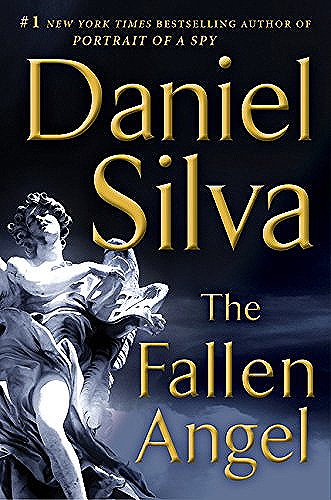
Daniel Silva's "The Fallen Angel" centers on art restorer and Israeli intelligence operative Gabriel Allon as he's drawn into a complex investigation while restoring a Caravaggio masterpiece in the Vatican. The sudden, violent death of a woman in St. Peter's Basilica leads him to uncover a conspiracy reaching into ancient religious orders and modern global conflicts, all tied to a vast network of illicit art and a radicalized former general. Allon must navigate the Vatican's labyrinthine secrets and international espionage to prevent a devastating act.
Both "The Fallen Angel" and "Archangel" share a compelling blend of historical mystery, political intrigue, and a central protagonist (Allon in the former, Fluke Kelso in the latter) who uncovers a deep-seated conspiracy. They each feature a quest for a powerful, hidden secret – in "Archangel," Stalin's lost diary; in "The Fallen Angel," a truth buried within the Vatican and its ancient orders – which, if revealed, could have profound global repercussions. The narratives are driven by intellectual protagonists piecing together disparate clues while facing professional dangers.
This book will appeal to those who appreciate a meticulously researched thriller that weaves together art history, religious lore, and contemporary espionage. Its intricate plotting and high stakes offer a sophisticated reading experience, providing intellectual stimulation alongside nail-biting suspense. The exploration of ancient secrets impacting modern geopolitics provides significant thematic depth and escapism.
The Fallen Angel
Daniel Silva's "The Fallen Angel" centers on art restorer and Israeli intelligence operative Gabriel Allon as he's drawn into a complex investigation while restoring a Caravaggio masterpiece in the Vatican. The sudden, violent death of a woman in St. Peter's Basilica leads him to uncover a conspiracy reaching into ancient religious orders and modern global conflicts, all tied to a vast network of illicit art and a radicalized former general. Allon must navigate the Vatican's labyrinthine secrets and international espionage to prevent a devastating act.
Both "The Fallen Angel" and "Archangel" share a compelling blend of historical mystery, political intrigue, and a central protagonist (Allon in the former, Fluke Kelso in the latter) who uncovers a deep-seated conspiracy. They each feature a quest for a powerful, hidden secret – in "Archangel," Stalin's lost diary; in "The Fallen Angel," a truth buried within the Vatican and its ancient orders – which, if revealed, could have profound global repercussions. The narratives are driven by intellectual protagonists piecing together disparate clues while facing professional dangers.
This book will appeal to those who appreciate a meticulously researched thriller that weaves together art history, religious lore, and contemporary espionage. Its intricate plotting and high stakes offer a sophisticated reading experience, providing intellectual stimulation alongside nail-biting suspense. The exploration of ancient secrets impacting modern geopolitics provides significant thematic depth and escapism.
The Devil's Alternative

"The Devil's Alternative" thrusts the reader into a high-stakes Cold War crisis where a hijacked supertanker holds the world hostage, demanding the release of Soviet dissidents. This intricate web of political intrigue, intelligence operations, and moral dilemmas forces Western leaders into an impossible choice, meticulously tracing the fallout of each potential decision. It's a masterclass in weaving together geopolitical tension with the immediate, visceral threat of catastrophe.
This novel mirrors "Archangel" in its depiction of a historical what-if scenario with profound global implications, specifically through the lens of a Cold War backdrop where secrets and power struggles define the narrative. Both books expertly build suspense around a single pivotal event that threatens to unravel established world orders, and both feature protagonists who find themselves entangled in dangerous political machinations they initially underestimated. The detailed research and plausible scenarios in both works lend them a compelling authenticity.
This book will appeal due to its relentless pacing, expertly crafted suspense, and the intellectual stimulation derived from watching brilliant minds grapple with impossible choices. It offers a thrilling escape into a complex world of espionage and political brinkmanship, providing insights into the delicate balance of power during a tumultuous historical era. The narrative’s exploration of ethical quandaries and the human cost of global politics makes it a thought-provoking and ultimately valuable read.
The Devil's Alternative
"The Devil's Alternative" thrusts the reader into a high-stakes Cold War crisis where a hijacked supertanker holds the world hostage, demanding the release of Soviet dissidents. This intricate web of political intrigue, intelligence operations, and moral dilemmas forces Western leaders into an impossible choice, meticulously tracing the fallout of each potential decision. It's a masterclass in weaving together geopolitical tension with the immediate, visceral threat of catastrophe.
This novel mirrors "Archangel" in its depiction of a historical what-if scenario with profound global implications, specifically through the lens of a Cold War backdrop where secrets and power struggles define the narrative. Both books expertly build suspense around a single pivotal event that threatens to unravel established world orders, and both feature protagonists who find themselves entangled in dangerous political machinations they initially underestimated. The detailed research and plausible scenarios in both works lend them a compelling authenticity.
This book will appeal due to its relentless pacing, expertly crafted suspense, and the intellectual stimulation derived from watching brilliant minds grapple with impossible choices. It offers a thrilling escape into a complex world of espionage and political brinkmanship, providing insights into the delicate balance of power during a tumultuous historical era. The narrative’s exploration of ethical quandaries and the human cost of global politics makes it a thought-provoking and ultimately valuable read.
Lucifer's Shadow
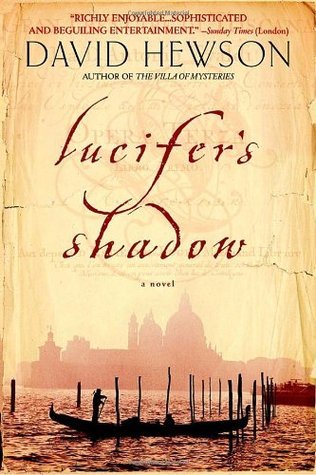
*Lucifer's Shadow* delves into the sinister world of the occult, focusing on detective Costa's investigation into a series of grotesque murders in Rome. As he uncovers ancient rites and unsettling connections to a powerful, secretive brotherhood, he finds himself entangled in a conspiracy that spans centuries and challenges his understanding of good and evil. The narrative masterfully blends police procedural with elements of historical mystery and supernatural suspense.
This novel shares a compelling resemblance to *Archangel* in its exploration of hidden histories and the lingering power of past ideologies. Both books feature protagonists who stumble upon a dangerous secret from a totalitarian past (Stalin's legacy in *Archangel*, ancient religious cults in *Lucifer's Shadow*) that continues to exert influence in the present. The intellectual pursuit of truth, coupled with significant personal danger, drives the central characters in both narratives.
Individuals drawn to thrillers that combine meticulous research with high-stakes suspense will find this book highly engaging. Its blend of historical intrigue, psychological depth, and a chilling atmosphere offers an intellectually stimulating and suspenseful experience, providing a valuable escape into a world where ancient evils cast long shadows over modern society.
Lucifer's Shadow
*Lucifer's Shadow* delves into the sinister world of the occult, focusing on detective Costa's investigation into a series of grotesque murders in Rome. As he uncovers ancient rites and unsettling connections to a powerful, secretive brotherhood, he finds himself entangled in a conspiracy that spans centuries and challenges his understanding of good and evil. The narrative masterfully blends police procedural with elements of historical mystery and supernatural suspense.
This novel shares a compelling resemblance to *Archangel* in its exploration of hidden histories and the lingering power of past ideologies. Both books feature protagonists who stumble upon a dangerous secret from a totalitarian past (Stalin's legacy in *Archangel*, ancient religious cults in *Lucifer's Shadow*) that continues to exert influence in the present. The intellectual pursuit of truth, coupled with significant personal danger, drives the central characters in both narratives.
Individuals drawn to thrillers that combine meticulous research with high-stakes suspense will find this book highly engaging. Its blend of historical intrigue, psychological depth, and a chilling atmosphere offers an intellectually stimulating and suspenseful experience, providing a valuable escape into a world where ancient evils cast long shadows over modern society.
The Kill Artist

"The Kill Artist" introduces Gabriel Allon, an Israeli intelligence operative and art restorer, drawn back into the dangerous world of espionage after a devastating terrorist attack. He tracks a legendary Palestinian assassin through a complex web of international intrigue and moral ambiguities, exposing the brutal realities of covert operations and their personal costs.
The similarity to "Archangel" lies in their shared exploration of historical reverberations and the pursuit of elusive truths. Both novels feature protagonists navigating dangerous geopolitical landscapes, driven by a blend of personal motivation and professional duty to uncover information that could reshape perspectives or prevent catastrophe. They delve into clandestine operations and the moral compromises inherent in espionage.
This novel will appeal to those who appreciate sophisticated geopolitical thrillers featuring damaged but compelling heroes. Its meticulously researched backdrop, intricate plotting, and introspective examination of violence and redemption offer a gripping and thought-provoking experience, providing a valuable dive into the complexities of intelligence work and its human toll.
The Kill Artist
"The Kill Artist" introduces Gabriel Allon, an Israeli intelligence operative and art restorer, drawn back into the dangerous world of espionage after a devastating terrorist attack. He tracks a legendary Palestinian assassin through a complex web of international intrigue and moral ambiguities, exposing the brutal realities of covert operations and their personal costs.
The similarity to "Archangel" lies in their shared exploration of historical reverberations and the pursuit of elusive truths. Both novels feature protagonists navigating dangerous geopolitical landscapes, driven by a blend of personal motivation and professional duty to uncover information that could reshape perspectives or prevent catastrophe. They delve into clandestine operations and the moral compromises inherent in espionage.
This novel will appeal to those who appreciate sophisticated geopolitical thrillers featuring damaged but compelling heroes. Its meticulously researched backdrop, intricate plotting, and introspective examination of violence and redemption offer a gripping and thought-provoking experience, providing a valuable dive into the complexities of intelligence work and its human toll.
More Books to Explore
Discover more titles that expand on these ideas and themes.
Red Square
Fatherland
Enigma
A Shadow in Moscow
Blood of Angels
The Russia House