10 Books Similar to "Antarctica Station"
by A.G. Riddle

Winter World

"Winter World" plunges humanity into a new ice age, triggered by a dying sun. Dr. Emma Matthews, a brilliant astronomer, discovers the sun's collapse and races against time to develop technology that might save a fragment of humanity. The narrative explores the desperate struggle for survival, scientific ingenuity in the face of oblivion, and the poignant resilience of the human spirit as Earth transforms into a frozen, desolate planet.
Like "Antarctica Station," "Winter World" excels in its high-stakes, science fiction thriller premise, anchored by a looming global catastrophe. Both novels feature resourceful protagonists, often scientists, battling immense, existential threats in extreme, isolated environments. Riddle consistently crafts narratives around meticulously researched scientific concepts, weaving them into compelling, fast-paced plots with a strong emphasis on survival and the potential for human ingenuity to overcome seemingly insurmountable odds.
This novel will appeal to those who enjoy speculative fiction that combines hard science with gripping action and a sense of profound consequence. Its exploration of humanity's fight against environmental collapse, coupled with the intellectual thrill of scientific problem-solving, offers a compelling and thought-provoking experience. The story's relevance to contemporary concerns about climate change and survival also imbues it with significant thematic value.
Winter World
"Winter World" plunges humanity into a new ice age, triggered by a dying sun. Dr. Emma Matthews, a brilliant astronomer, discovers the sun's collapse and races against time to develop technology that might save a fragment of humanity. The narrative explores the desperate struggle for survival, scientific ingenuity in the face of oblivion, and the poignant resilience of the human spirit as Earth transforms into a frozen, desolate planet.
Like "Antarctica Station," "Winter World" excels in its high-stakes, science fiction thriller premise, anchored by a looming global catastrophe. Both novels feature resourceful protagonists, often scientists, battling immense, existential threats in extreme, isolated environments. Riddle consistently crafts narratives around meticulously researched scientific concepts, weaving them into compelling, fast-paced plots with a strong emphasis on survival and the potential for human ingenuity to overcome seemingly insurmountable odds.
This novel will appeal to those who enjoy speculative fiction that combines hard science with gripping action and a sense of profound consequence. Its exploration of humanity's fight against environmental collapse, coupled with the intellectual thrill of scientific problem-solving, offers a compelling and thought-provoking experience. The story's relevance to contemporary concerns about climate change and survival also imbues it with significant thematic value.
Antarktos Rising
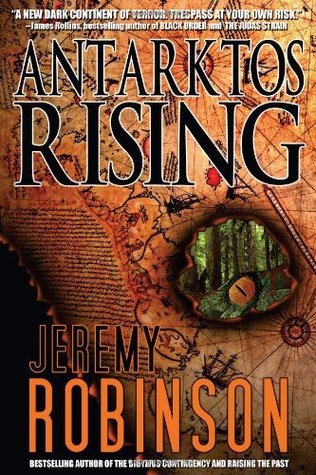
"Antarktos Rising" plunges into a high-stakes adventure as a global team discovers ancient, technologically advanced ruins beneath the Antarctic ice, hinting at a lost civilization and a potential cataclysm. The narrative follows their desperate race against time to understand and potentially harness this power before it falls into the wrong hands or triggers a global disaster, weaving military action with scientific discovery.
This novel shares a striking resemblance to "Antarctica Station" by centering on the discovery of a monumental, potentially world-altering secret hidden beneath the Antarctic ice. Both narratives hinge on the exploration of advanced, non-human structures in extreme environments, driving a sense of urgency, mystery, and the threat of existential danger should these secrets be mishandled or unleashed upon the modern world.
The book will appeal to those who enjoy thrillers blending scientific speculation, ancient mysteries, and military action with a high-stakes, race-against-time plot. Its value lies in its ability to deliver a gripping narrative that explores humanity's fascination with uncharted territories and the potential ramifications of uncovering forgotten knowledge, offering both escapism and thought-provoking themes.
Antarktos Rising
"Antarktos Rising" plunges into a high-stakes adventure as a global team discovers ancient, technologically advanced ruins beneath the Antarctic ice, hinting at a lost civilization and a potential cataclysm. The narrative follows their desperate race against time to understand and potentially harness this power before it falls into the wrong hands or triggers a global disaster, weaving military action with scientific discovery.
This novel shares a striking resemblance to "Antarctica Station" by centering on the discovery of a monumental, potentially world-altering secret hidden beneath the Antarctic ice. Both narratives hinge on the exploration of advanced, non-human structures in extreme environments, driving a sense of urgency, mystery, and the threat of existential danger should these secrets be mishandled or unleashed upon the modern world.
The book will appeal to those who enjoy thrillers blending scientific speculation, ancient mysteries, and military action with a high-stakes, race-against-time plot. Its value lies in its ability to deliver a gripping narrative that explores humanity's fascination with uncharted territories and the potential ramifications of uncovering forgotten knowledge, offering both escapism and thought-provoking themes.
The Atlantis Gene
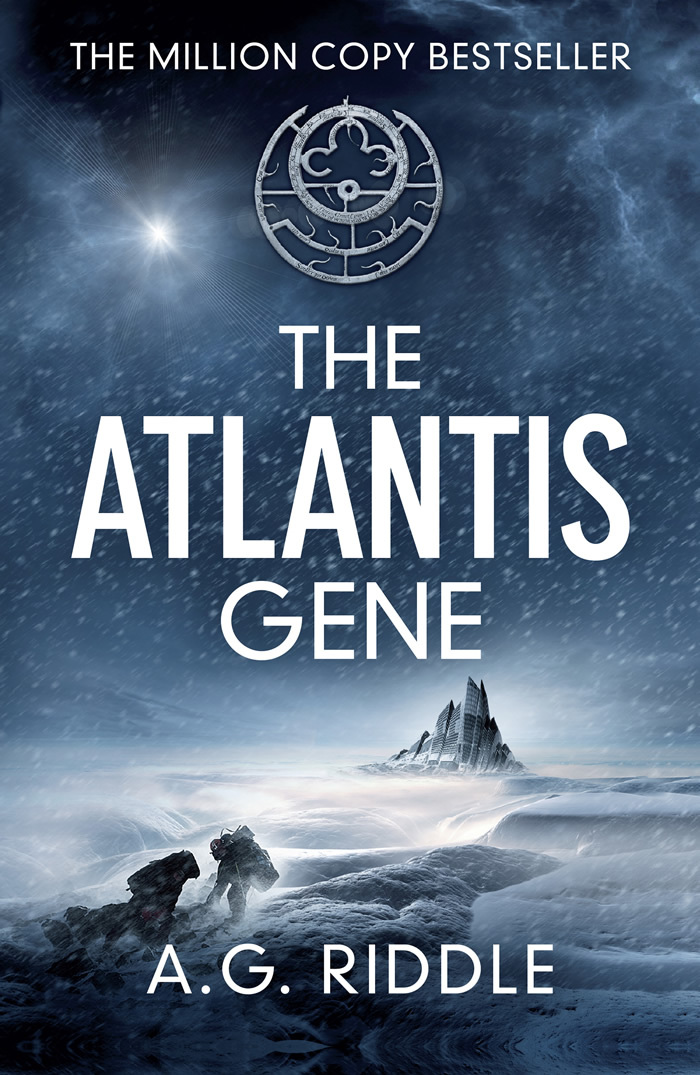
"The Atlantis Gene" unravels a thrilling mystery surrounding a revolutionary genetic discovery that holds the key to humanity's past and future. It follows a brilliant geneticist and an ex-military operative as they race against powerful, secretive organizations determined to control or erase this world-altering technology. The narrative delves into ancient civilizations, evolutionary biology, and the ethical dilemmas of genetic manipulation, all while propelling the reader through a global chase to uncover the truth behind human origins and a looming existential threat.
This novel shares "Antarctica Station's" core appeal for intricate, high-stakes scientific thrillers. Both books feature isolated, cutting-edge research facilities as primary settings, exploring breakthroughs with profound implications for humanity. They leverage themes of ancient mysteries, clandestine organizations, and the survival of the species, presenting a race against time where scientific discovery intersects with geopolitical intrigue. The narrative structure similarly blends action, suspense, and intellectual puzzles.
It will engage those who appreciate well-researched speculative fiction grounded in scientific possibility. The book offers a captivating exploration of human evolution and the potential for genetic engineering, prompting thought about our origins and destiny. Its blend of historical enigma, biological innovation, and non-stop action makes for a compelling and thought-provoking reading experience that satisfies both the intellect and the thirst for adventure.
The Atlantis Gene
"The Atlantis Gene" unravels a thrilling mystery surrounding a revolutionary genetic discovery that holds the key to humanity's past and future. It follows a brilliant geneticist and an ex-military operative as they race against powerful, secretive organizations determined to control or erase this world-altering technology. The narrative delves into ancient civilizations, evolutionary biology, and the ethical dilemmas of genetic manipulation, all while propelling the reader through a global chase to uncover the truth behind human origins and a looming existential threat.
This novel shares "Antarctica Station's" core appeal for intricate, high-stakes scientific thrillers. Both books feature isolated, cutting-edge research facilities as primary settings, exploring breakthroughs with profound implications for humanity. They leverage themes of ancient mysteries, clandestine organizations, and the survival of the species, presenting a race against time where scientific discovery intersects with geopolitical intrigue. The narrative structure similarly blends action, suspense, and intellectual puzzles.
It will engage those who appreciate well-researched speculative fiction grounded in scientific possibility. The book offers a captivating exploration of human evolution and the potential for genetic engineering, prompting thought about our origins and destiny. Its blend of historical enigma, biological innovation, and non-stop action makes for a compelling and thought-provoking reading experience that satisfies both the intellect and the thirst for adventure.
Beyond the Ice Limit

"Beyond the Ice Limit" delves into a chilling scientific mystery in the treacherous waters off Chile. A research vessel, observing an unidentified object from space crash into the ocean, encounters an astounding, rapidly growing biological anomaly that threatens global catastrophe. A renowned geologist and his team must unravel the enigma of this extraterrestrial lifeform before it consumes the planet.
This novel shares a striking resemblance to "Antarctica Station" through its high-stakes, isolated-location sci-fi thriller premise. Both books feature a claustrophobic, extreme environment where humanity confronts an unknown and potentially existential biological threat, pushing characters to their limits against a backdrop of scientific discovery and corporate intrigue. The core tension in both arises from navigating an alien entity with unknown intentions and capabilities.
The compelling blend of cutting-edge speculative science, relentless suspense, and the sheer scale of the threat will intensely engage those who appreciate hard sci-fi thrillers. Its exploration of first contact, environmental peril, and the ethical dilemmas of scientific research offers a thought-provoking and exhilarating experience, rewarding a deep dive into its intricate plot and well-developed suspense.
Beyond the Ice Limit
"Beyond the Ice Limit" delves into a chilling scientific mystery in the treacherous waters off Chile. A research vessel, observing an unidentified object from space crash into the ocean, encounters an astounding, rapidly growing biological anomaly that threatens global catastrophe. A renowned geologist and his team must unravel the enigma of this extraterrestrial lifeform before it consumes the planet.
This novel shares a striking resemblance to "Antarctica Station" through its high-stakes, isolated-location sci-fi thriller premise. Both books feature a claustrophobic, extreme environment where humanity confronts an unknown and potentially existential biological threat, pushing characters to their limits against a backdrop of scientific discovery and corporate intrigue. The core tension in both arises from navigating an alien entity with unknown intentions and capabilities.
The compelling blend of cutting-edge speculative science, relentless suspense, and the sheer scale of the threat will intensely engage those who appreciate hard sci-fi thrillers. Its exploration of first contact, environmental peril, and the ethical dilemmas of scientific research offers a thought-provoking and exhilarating experience, rewarding a deep dive into its intricate plot and well-developed suspense.
Ice Station
Matthew Reilly's *Ice Station* plunges readers into a high-stakes thriller set at a remote scientific research facility in the Antarctic. A team of US Marines is dispatched to secure a mysterious discovery beneath the ice, only to find themselves caught in a treacherous international conflict as various global powers converge, each vying for control of the anomaly. It's a relentless, action-packed narrative focused on survival, secret technology, and geopolitical intrigue in an extreme environment.
The similarities between *Ice Station* and *Antarctica Station* are striking, primarily centered on their shared premise: a secluded scientific outpost in Antarctica becomes the epicenter of a world-altering discovery and subsequent deadly conflict. Both novels leverage the continent's isolated, unforgiving landscape to amplify tension and danger. They feature military and scientific personnel thrust into extraordinary circumstances, facing not only the harsh environment but also unknown threats and human adversaries driven by ambition and fear.
This book will appeal to those who enjoy pulse-pounding, high-concept thrillers with a strong dose of action and mystery. Its value lies in its ability to deliver consistent excitement and spectacular set pieces, making for a gripping, immersive read. For fans of *Antarctica Station*, *Ice Station* offers a satisfyingly similar blend of scientific intrigue, military operational suspense, and global stakes, all wrapped in a fast-paced, unputdownable package.
Ice Station
Matthew Reilly's *Ice Station* plunges readers into a high-stakes thriller set at a remote scientific research facility in the Antarctic. A team of US Marines is dispatched to secure a mysterious discovery beneath the ice, only to find themselves caught in a treacherous international conflict as various global powers converge, each vying for control of the anomaly. It's a relentless, action-packed narrative focused on survival, secret technology, and geopolitical intrigue in an extreme environment.
The similarities between *Ice Station* and *Antarctica Station* are striking, primarily centered on their shared premise: a secluded scientific outpost in Antarctica becomes the epicenter of a world-altering discovery and subsequent deadly conflict. Both novels leverage the continent's isolated, unforgiving landscape to amplify tension and danger. They feature military and scientific personnel thrust into extraordinary circumstances, facing not only the harsh environment but also unknown threats and human adversaries driven by ambition and fear.
This book will appeal to those who enjoy pulse-pounding, high-concept thrillers with a strong dose of action and mystery. Its value lies in its ability to deliver consistent excitement and spectacular set pieces, making for a gripping, immersive read. For fans of *Antarctica Station*, *Ice Station* offers a satisfyingly similar blend of scientific intrigue, military operational suspense, and global stakes, all wrapped in a fast-paced, unputdownable package.
Quantum Radio
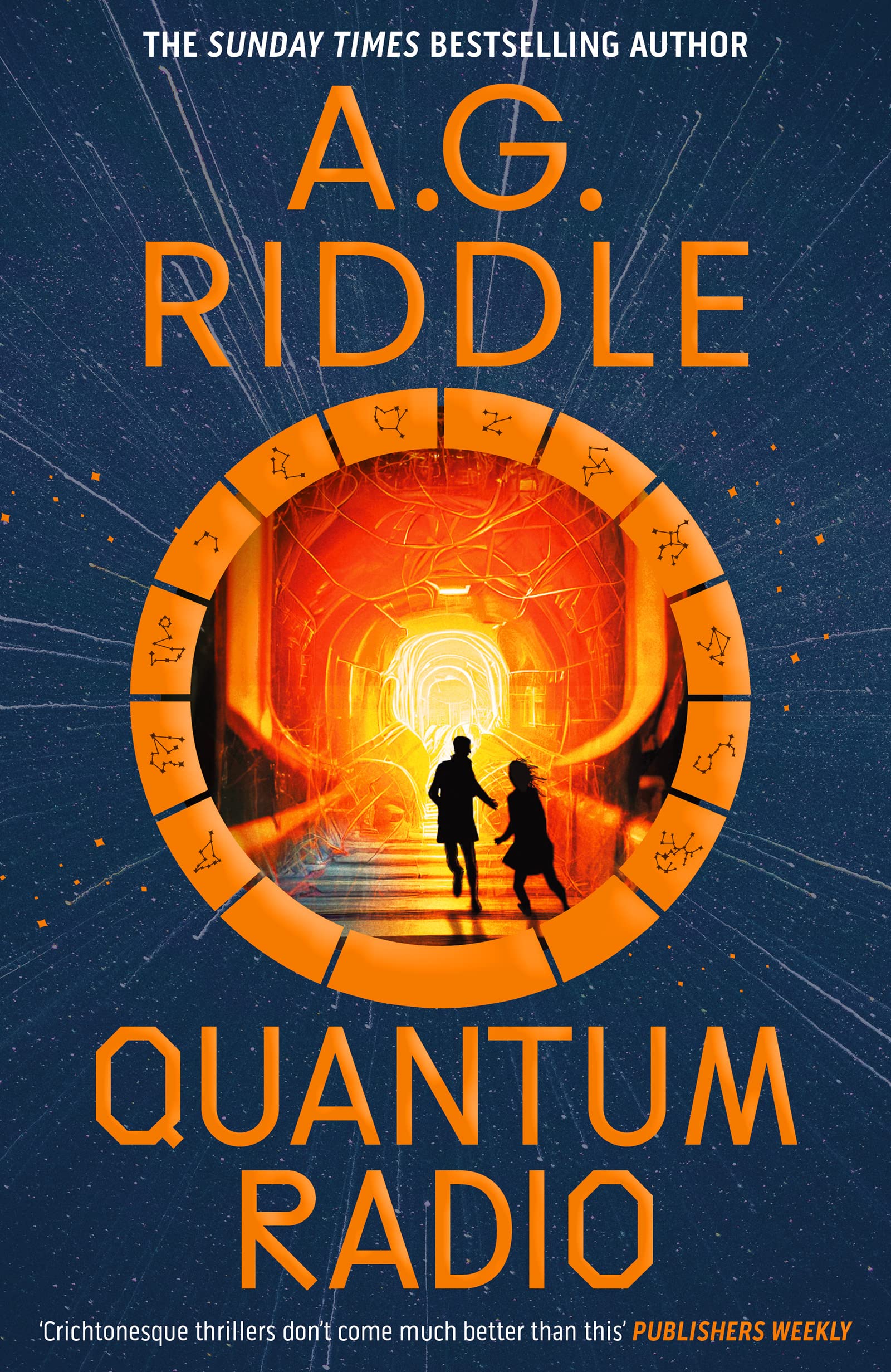
"Quantum Radio" explores the chilling implications of discovering signals from both humanity's deep past and distant future, forcing a small community of scientists to confront the nature of time, free will, and their own existence as these transmissions reveal catastrophic events across millennia. It's a high-stakes, intellectually stimulating thriller grounded in speculative science.
This novel shares a striking resemblance with "Antarctica Station" through its core elements: isolated scientific outposts battling overwhelming, existential threats linked to mysterious discoveries, and a relentless pace driven by scientific intrigue and survival. Both books excel at building tension through the unknown and the perilous choices characters must make when faced with humanity-altering revelations.
The appeal lies in its sophisticated blend of hard science fiction, psychological suspense, and philosophical inquiry. The novel offers a propulsive narrative that challenges perceptions of time and reality, providing a deeply immersive experience for those who appreciate thought-provoking thrillers that are as intelligent as they are exciting. It delivers both an adrenaline rush and intellectual stimulation.
Quantum Radio
"Quantum Radio" explores the chilling implications of discovering signals from both humanity's deep past and distant future, forcing a small community of scientists to confront the nature of time, free will, and their own existence as these transmissions reveal catastrophic events across millennia. It's a high-stakes, intellectually stimulating thriller grounded in speculative science.
This novel shares a striking resemblance with "Antarctica Station" through its core elements: isolated scientific outposts battling overwhelming, existential threats linked to mysterious discoveries, and a relentless pace driven by scientific intrigue and survival. Both books excel at building tension through the unknown and the perilous choices characters must make when faced with humanity-altering revelations.
The appeal lies in its sophisticated blend of hard science fiction, psychological suspense, and philosophical inquiry. The novel offers a propulsive narrative that challenges perceptions of time and reality, providing a deeply immersive experience for those who appreciate thought-provoking thrillers that are as intelligent as they are exciting. It delivers both an adrenaline rush and intellectual stimulation.
Lost in Time

"Lost in Time" centers on an elite team of scientists and soldiers who, after a bizarre discovery, are tasked with venturing into the distant past to save humanity from an inevitable, catastrophic future. Their mission involves navigating perilous ancient landscapes and battling unknown threats, all while grappling with the ethical complexities of altering history.
This novel shares a striking resemblance to "Antarctica Station" through its high-stakes, scientifically-grounded speculative premise. Both books feature isolated groups confronting extraordinary, world-ending scenarios, leveraging cutting-edge science in desperate attempts to avert disaster. The blend of intricate scientific puzzles, intense suspense, and the existential threat to humanity provides a consistent thematic and atmospheric thread.
The narrative appeals to those who enjoy meticulously plotted thrillers where scientific ingenuity and human resilience are tested against impossible odds. It offers a thought-provoking exploration of time, destiny, and the profound implications of our choices, delivering both intellectual stimulation and heart-pounding action that makes it a valuable and captivating read.
Lost in Time
"Lost in Time" centers on an elite team of scientists and soldiers who, after a bizarre discovery, are tasked with venturing into the distant past to save humanity from an inevitable, catastrophic future. Their mission involves navigating perilous ancient landscapes and battling unknown threats, all while grappling with the ethical complexities of altering history.
This novel shares a striking resemblance to "Antarctica Station" through its high-stakes, scientifically-grounded speculative premise. Both books feature isolated groups confronting extraordinary, world-ending scenarios, leveraging cutting-edge science in desperate attempts to avert disaster. The blend of intricate scientific puzzles, intense suspense, and the existential threat to humanity provides a consistent thematic and atmospheric thread.
The narrative appeals to those who enjoy meticulously plotted thrillers where scientific ingenuity and human resilience are tested against impossible odds. It offers a thought-provoking exploration of time, destiny, and the profound implications of our choices, delivering both intellectual stimulation and heart-pounding action that makes it a valuable and captivating read.
Ice Hunt

*Ice Hunt* plunges a team of US operatives and scientists into the frozen, treacherous waters of the Arctic, tasked with retrieving a downed experimental Russian submarine. They uncover not just advanced technology, but a chilling bioweapon and a shadowy conspiracy that threatens global stability, all while battling the brutal environment and enemy forces.
The parallels with *Antarctica Station* are striking. Both novels leverage extreme polar environments as critical, formidable characters in themselves, creating immense tension and claustrophobia. Both feature elite teams facing an isolated, high-stakes mission against technologically advanced threats and a ticking clock. The blend of cutting-edge science, military action, and historical secrets woven into a high-octane thriller structure is a shared hallmark.
This book will appeal to those who enjoy taut, atmospheric thrillers that combine meticulous research with relentless action. It offers a compelling mix of scientific intrigue, geopolitical stakes, and survival against impossible odds, delivering a sophisticated yet accessible adventure that rewards a taste for the complex and the thrilling.
Ice Hunt
*Ice Hunt* plunges a team of US operatives and scientists into the frozen, treacherous waters of the Arctic, tasked with retrieving a downed experimental Russian submarine. They uncover not just advanced technology, but a chilling bioweapon and a shadowy conspiracy that threatens global stability, all while battling the brutal environment and enemy forces.
The parallels with *Antarctica Station* are striking. Both novels leverage extreme polar environments as critical, formidable characters in themselves, creating immense tension and claustrophobia. Both feature elite teams facing an isolated, high-stakes mission against technologically advanced threats and a ticking clock. The blend of cutting-edge science, military action, and historical secrets woven into a high-octane thriller structure is a shared hallmark.
This book will appeal to those who enjoy taut, atmospheric thrillers that combine meticulous research with relentless action. It offers a compelling mix of scientific intrigue, geopolitical stakes, and survival against impossible odds, delivering a sophisticated yet accessible adventure that rewards a taste for the complex and the thrilling.
Polar Quest

"Polar Quest" plunges readers into a high-stakes scientific expedition in the Arctic, where a team uncovers a mysterious ancient structure beneath the ice. This discovery triggers a race against both geopolitical rivals and a rapidly evolving existential threat, forcing the protagonists to decipher the structure's purpose before its unimaginable power is unleashed upon the world, or falls into the wrong hands.
This novel shares a striking resemblance with "Antarctica Station" through its core premise: an isolated research team at the Earth's pole stumbles upon an extraordinary, world-altering secret embedded deep within the ice. Both books masterfully blend speculative fiction with elements of thriller and mystery, centering on the profound implications of an ancient discovery in a remote, hostile environment. The urgency, the scientific intrigue, and the global stakes are equally pronounced in both narratives.
Individuals drawn to intense, intellectually stimulating thrillers will appreciate "Polar Quest." It offers a compelling blend of cutting-edge science, historical enigma, and nerve-wracking suspense. The vivid descriptions of the Arctic environment, coupled with the complex ethical dilemmas faced by the characters, provide a rich and immersive experience, prompting reflection on humanity's place in the universe and the potential consequences of unprecedented discoveries.
Polar Quest
"Polar Quest" plunges readers into a high-stakes scientific expedition in the Arctic, where a team uncovers a mysterious ancient structure beneath the ice. This discovery triggers a race against both geopolitical rivals and a rapidly evolving existential threat, forcing the protagonists to decipher the structure's purpose before its unimaginable power is unleashed upon the world, or falls into the wrong hands.
This novel shares a striking resemblance with "Antarctica Station" through its core premise: an isolated research team at the Earth's pole stumbles upon an extraordinary, world-altering secret embedded deep within the ice. Both books masterfully blend speculative fiction with elements of thriller and mystery, centering on the profound implications of an ancient discovery in a remote, hostile environment. The urgency, the scientific intrigue, and the global stakes are equally pronounced in both narratives.
Individuals drawn to intense, intellectually stimulating thrillers will appreciate "Polar Quest." It offers a compelling blend of cutting-edge science, historical enigma, and nerve-wracking suspense. The vivid descriptions of the Arctic environment, coupled with the complex ethical dilemmas faced by the characters, provide a rich and immersive experience, prompting reflection on humanity's place in the universe and the potential consequences of unprecedented discoveries.
Cold People

"Cold People" by Tom Rob Smith posits a harrowing near-future scenario where humanity faces extinction from a rapidly spreading plague. A shadowy organization, the Cold People, orchestrates a brutal and unconventional plan: selecting the fittest 10,000 individuals to relocate to Antarctica, while the rest of the world perishes. The narrative follows these survivors as they attempt to build a new society amidst extreme conditions and philosophical dilemmas, questioning the very definition of humanity and morality when survival becomes the sole imperative.
The core similarity to "Antarctica Station" lies in their shared high-stakes, survival-driven narratives set in the unforgiving Antarctic environment. Both novels explore the psychological and sociological ramifications of extreme isolation and existential threats, with humanity often being its own worst enemy. They delve into clandestine operations, moral compromises, and the discovery of unexpected dangers within and around seemingly pristine icy landscapes, forcing characters to confront primal fears and societal rebuildings.
This book will appeal to those who appreciate thought-provoking thrillers that blend scientific plausibility with dystopian elements. It offers a gripping exploration of human resilience, the cost of survival, and the ethical quandaries inherent in reimagining society from scratch. The novel's intense psychological depth and examination of what it means to be human under duress provide a valuable experience, prompting reflection on our own societal structures and vulnerabilities.
Cold People
"Cold People" by Tom Rob Smith posits a harrowing near-future scenario where humanity faces extinction from a rapidly spreading plague. A shadowy organization, the Cold People, orchestrates a brutal and unconventional plan: selecting the fittest 10,000 individuals to relocate to Antarctica, while the rest of the world perishes. The narrative follows these survivors as they attempt to build a new society amidst extreme conditions and philosophical dilemmas, questioning the very definition of humanity and morality when survival becomes the sole imperative.
The core similarity to "Antarctica Station" lies in their shared high-stakes, survival-driven narratives set in the unforgiving Antarctic environment. Both novels explore the psychological and sociological ramifications of extreme isolation and existential threats, with humanity often being its own worst enemy. They delve into clandestine operations, moral compromises, and the discovery of unexpected dangers within and around seemingly pristine icy landscapes, forcing characters to confront primal fears and societal rebuildings.
This book will appeal to those who appreciate thought-provoking thrillers that blend scientific plausibility with dystopian elements. It offers a gripping exploration of human resilience, the cost of survival, and the ethical quandaries inherent in reimagining society from scratch. The novel's intense psychological depth and examination of what it means to be human under duress provide a valuable experience, prompting reflection on our own societal structures and vulnerabilities.
More Books to Explore
Discover more titles that expand on these ideas and themes.
Winter World
Antarktos Rising
The Atlantis Gene
Beyond the Ice Limit
Ice Station
Quantum Radio