10 Books Similar to "Annihilation"
by Jeff VanderMeer
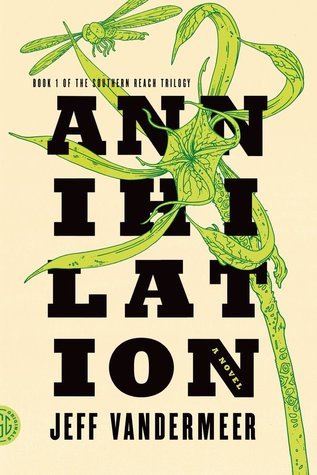
Acceptance
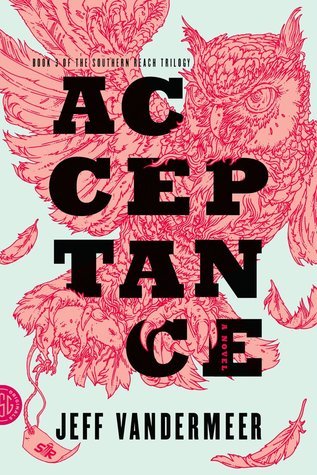
"Acceptance" is the concluding novel in the Southern Reach Trilogy, delving deeper into the enigmatic Area X and the mysterious government agency, SOUTHERN REACH. It unravels the history, motivations, and fates of key characters introduced in previous installments, offering a more comprehensive, albeit still unsettling, picture of the anomalous zone's origins and ultimate purpose. The narrative weaves together multiple perspectives, examining the long-term psychological and physical effects of exposure to Area X's transformative forces.
This novel shares a foundational similarity with "Annihilation" in its distinctive blend of ecological horror, existential dread, and enigmatic world-building. Both books explore themes of biological alteration, human perception, and the unknown, presenting realities that defy conventional understanding. The disorienting atmosphere, the slow unraveling of terrifying truths, and the sense of a world actively changing its inhabitants are consistent across both works, enriching the overall experience of VanderMeer's unique vision.
The value of "Acceptance" to a reader lies in its ability to satisfy the unanswered questions posed by "Annihilation" and "Authority," while still preserving a crucial element of ambiguity. It offers a more complete understanding of the overarching narrative, providing closure and deeper insight into the unsettling beauty and horror of Area X. It’s a compelling journey into the heart of a truly original and thought-provoking science fiction universe.
Acceptance
"Acceptance" is the concluding novel in the Southern Reach Trilogy, delving deeper into the enigmatic Area X and the mysterious government agency, SOUTHERN REACH. It unravels the history, motivations, and fates of key characters introduced in previous installments, offering a more comprehensive, albeit still unsettling, picture of the anomalous zone's origins and ultimate purpose. The narrative weaves together multiple perspectives, examining the long-term psychological and physical effects of exposure to Area X's transformative forces.
This novel shares a foundational similarity with "Annihilation" in its distinctive blend of ecological horror, existential dread, and enigmatic world-building. Both books explore themes of biological alteration, human perception, and the unknown, presenting realities that defy conventional understanding. The disorienting atmosphere, the slow unraveling of terrifying truths, and the sense of a world actively changing its inhabitants are consistent across both works, enriching the overall experience of VanderMeer's unique vision.
The value of "Acceptance" to a reader lies in its ability to satisfy the unanswered questions posed by "Annihilation" and "Authority," while still preserving a crucial element of ambiguity. It offers a more complete understanding of the overarching narrative, providing closure and deeper insight into the unsettling beauty and horror of Area X. It’s a compelling journey into the heart of a truly original and thought-provoking science fiction universe.
Authority
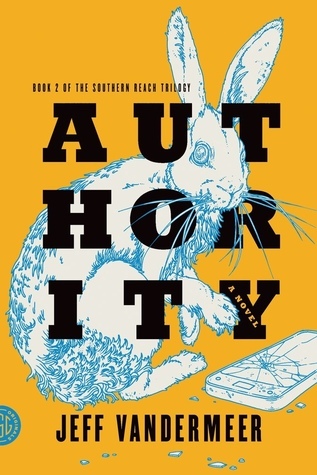
"Authority" delves into the aftermath of the mysterious "Area X" expedition, following John Rodriguez, a new director of the Southern Reach agency. He grapples with a bureaucratic, increasingly unstable organization attempting to understand the inexplicable phenomena of Area X and the fate of previous expeditions. His investigations plunge him into a world of secrecy, surveillance, and unsettling anomalies as he seeks answers about the boundary’s true nature and the agency’s compromised role.
This sequel mirrors "Annihilation" by continuing the exploration of alien landscapes and existential dread, albeit from a different vantage point. It maintains the same unsettling atmosphere, the themes of ecological transformation, the unreliable nature of perception, and the profound mystery surrounding Area X. The narrative again emphasizes the destructive and transformative power of the unknown, operating on a similar psychological and thematic wavelength.
Readers seeking a continuation of the cerebral, eco-horror mystery will appreciate "Authority." It expands the universe of Area X, offering a different perspective on its enigma through the lens of a struggling organization. Its value lies in deepening the world-building, unraveling more layers of the central mystery, and providing a compelling character-driven narrative within a science fiction framework that challenges conventional understanding of life, death, and evolution.
Authority
"Authority" delves into the aftermath of the mysterious "Area X" expedition, following John Rodriguez, a new director of the Southern Reach agency. He grapples with a bureaucratic, increasingly unstable organization attempting to understand the inexplicable phenomena of Area X and the fate of previous expeditions. His investigations plunge him into a world of secrecy, surveillance, and unsettling anomalies as he seeks answers about the boundary’s true nature and the agency’s compromised role.
This sequel mirrors "Annihilation" by continuing the exploration of alien landscapes and existential dread, albeit from a different vantage point. It maintains the same unsettling atmosphere, the themes of ecological transformation, the unreliable nature of perception, and the profound mystery surrounding Area X. The narrative again emphasizes the destructive and transformative power of the unknown, operating on a similar psychological and thematic wavelength.
Readers seeking a continuation of the cerebral, eco-horror mystery will appreciate "Authority." It expands the universe of Area X, offering a different perspective on its enigma through the lens of a struggling organization. Its value lies in deepening the world-building, unraveling more layers of the central mystery, and providing a compelling character-driven narrative within a science fiction framework that challenges conventional understanding of life, death, and evolution.
Absolution

"Absolution" explores the aftermath of a devastating environmental collapse, focusing on a mysterious organization tasked with managing the few remaining habitable zones and their increasingly desperate, often morally ambiguous, methods for survival and control. The narrative delves into the psychological toll of ecological disaster and the ethical dilemmas of power and preservation in a broken world.
The thematic core of "Absolution" echoes "Annihilation" in its pervasive sense of dread, the unsettling exploration of altered landscapes, and the psychological unraveling of characters confronted by the unknown and the unnatural. Both novels feature characters grappling with existential threats and the insidious ways their environments reshape their perceptions and identities, alongside a meticulous, disquieting world-building that privileges atmosphere over explicit exposition.
This novel will resonate with those who appreciate speculative fiction that grapples with complex ethical questions and internal psychological landscapes. It offers a profound examination of humanity's response to ecological catastrophe, the corrupting influence of power, and the blurred lines between salvation and control, providing a thought-provoking and immersive experience for discerning individuals.
Absolution
"Absolution" explores the aftermath of a devastating environmental collapse, focusing on a mysterious organization tasked with managing the few remaining habitable zones and their increasingly desperate, often morally ambiguous, methods for survival and control. The narrative delves into the psychological toll of ecological disaster and the ethical dilemmas of power and preservation in a broken world.
The thematic core of "Absolution" echoes "Annihilation" in its pervasive sense of dread, the unsettling exploration of altered landscapes, and the psychological unraveling of characters confronted by the unknown and the unnatural. Both novels feature characters grappling with existential threats and the insidious ways their environments reshape their perceptions and identities, alongside a meticulous, disquieting world-building that privileges atmosphere over explicit exposition.
This novel will resonate with those who appreciate speculative fiction that grapples with complex ethical questions and internal psychological landscapes. It offers a profound examination of humanity's response to ecological catastrophe, the corrupting influence of power, and the blurred lines between salvation and control, providing a thought-provoking and immersive experience for discerning individuals.
Finch

"Finch" plunges readers into a post-apocalyptic, fungus-ridden city ruled by sentient, insect-like beings known as the Cray. Detective Finch, a human, navigates this decaying urban landscape, forced to investigate a murder that potentially involves both humans and their oppressors. His journey is one of claustrophobic investigation and desperate survival, uncovering layers of conspiracy and the true nature of his world.
Both novels share a distinctively unsettling atmospheric dread, where the environment itself is a powerful, evolving character that shapes and threatens its inhabitants. They both explore themes of ecological transformation, existential mystery, and the struggle for agency within environments that are fundamentally alien and overwhelmingly powerful. The narrative style in "Finch" also mirrors "Annihilation's" blend of scientific detachment and visceral horror, filtered through the perspective of a protagonist grappling with profound unknowns.
This book will appeal to those who appreciate richly imagined, biologically infused speculative fiction that prioritizes atmosphere and psychological tension over conventional plot structures. Its unflinching exploration of a truly compromised world and a protagonist's internal and external battles offers a thought-provoking and deeply immersive experience. The meticulously crafted, suffocating world-building and the ambiguous nature of its central mysteries provide a compelling intellectual and emotional challenge.
Finch
"Finch" plunges readers into a post-apocalyptic, fungus-ridden city ruled by sentient, insect-like beings known as the Cray. Detective Finch, a human, navigates this decaying urban landscape, forced to investigate a murder that potentially involves both humans and their oppressors. His journey is one of claustrophobic investigation and desperate survival, uncovering layers of conspiracy and the true nature of his world.
Both novels share a distinctively unsettling atmospheric dread, where the environment itself is a powerful, evolving character that shapes and threatens its inhabitants. They both explore themes of ecological transformation, existential mystery, and the struggle for agency within environments that are fundamentally alien and overwhelmingly powerful. The narrative style in "Finch" also mirrors "Annihilation's" blend of scientific detachment and visceral horror, filtered through the perspective of a protagonist grappling with profound unknowns.
This book will appeal to those who appreciate richly imagined, biologically infused speculative fiction that prioritizes atmosphere and psychological tension over conventional plot structures. Its unflinching exploration of a truly compromised world and a protagonist's internal and external battles offers a thought-provoking and deeply immersive experience. The meticulously crafted, suffocating world-building and the ambiguous nature of its central mysteries provide a compelling intellectual and emotional challenge.
Borne
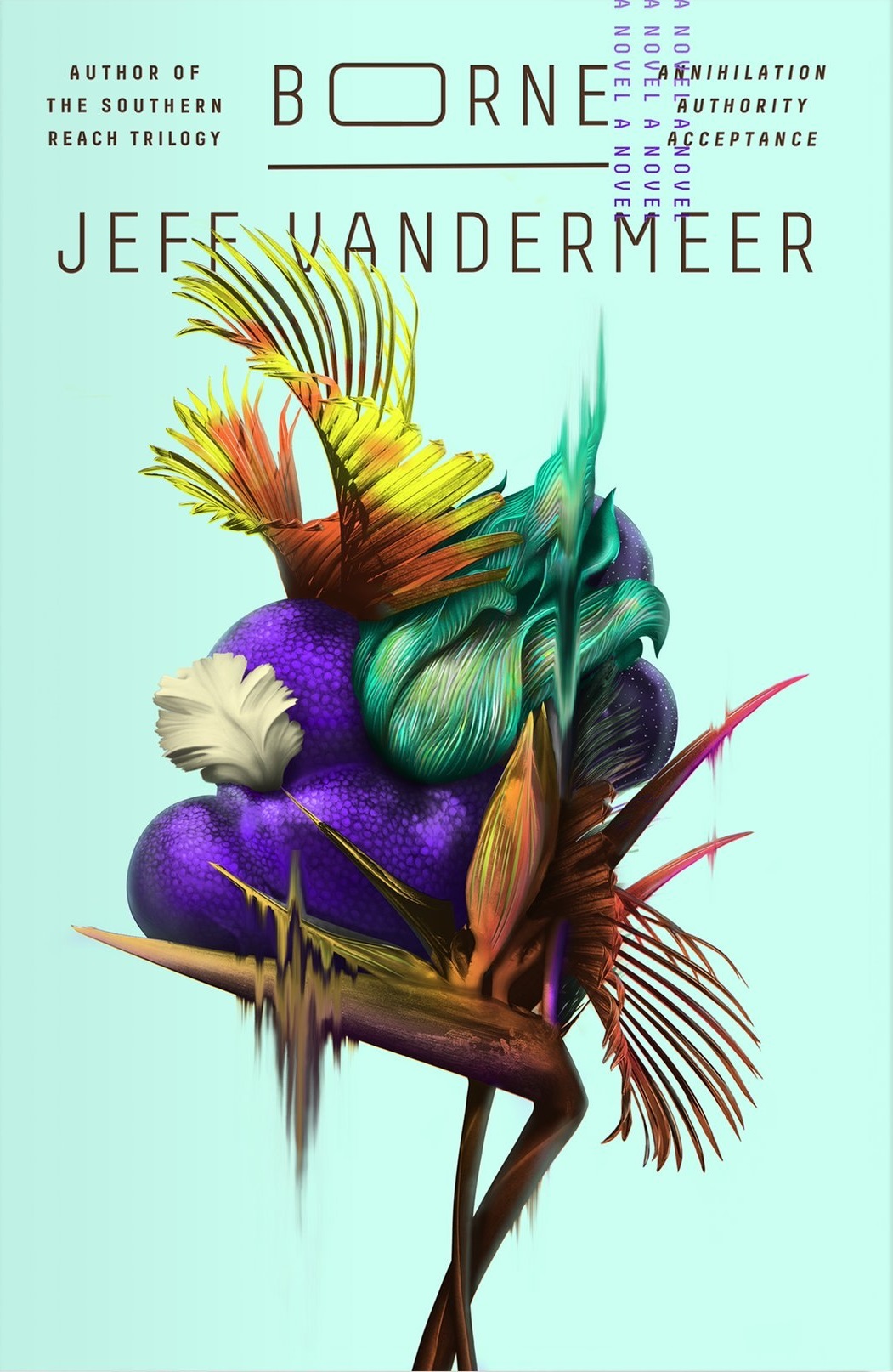
"Borne" follows Rachel, a scavenger in a post-apocalyptic city ruled by a giant, sentient bear named Mord. She discovers a strange, evolving creature she names Borne, caring for it as her own child, grappling with its increasingly complex and often terrifying nature, and challenging the fragile balance of her existence and the city’s power dynamics. It explores themes of identity, parenthood, and survival in a world teetering on the brink of ecological collapse.
This novel shares "Annihilation's" signature blend of biological horror, ecological mystery, and existential dread. Both plunge protagonists into landscapes fundamentally altered and made perilous by an unknown, transformative force. The sense of uncanny wonder coupled with pervasive threat, and the exploration of what it means to be human (or not) when faced with the utterly alien, resonates strongly across both works.
Readers drawn to sophisticated, atmospheric sci-fi that prioritizes psychological depth and unsettling world-building will appreciate "Borne." It offers a compelling narrative rich with metaphor, prompting reflection on our relationship with nature, technology, and what constitutes family. The intricate prose and thought-provoking themes provide a deeply immersive and memorable reading experience.
Borne
"Borne" follows Rachel, a scavenger in a post-apocalyptic city ruled by a giant, sentient bear named Mord. She discovers a strange, evolving creature she names Borne, caring for it as her own child, grappling with its increasingly complex and often terrifying nature, and challenging the fragile balance of her existence and the city’s power dynamics. It explores themes of identity, parenthood, and survival in a world teetering on the brink of ecological collapse.
This novel shares "Annihilation's" signature blend of biological horror, ecological mystery, and existential dread. Both plunge protagonists into landscapes fundamentally altered and made perilous by an unknown, transformative force. The sense of uncanny wonder coupled with pervasive threat, and the exploration of what it means to be human (or not) when faced with the utterly alien, resonates strongly across both works.
Readers drawn to sophisticated, atmospheric sci-fi that prioritizes psychological depth and unsettling world-building will appreciate "Borne." It offers a compelling narrative rich with metaphor, prompting reflection on our relationship with nature, technology, and what constitutes family. The intricate prose and thought-provoking themes provide a deeply immersive and memorable reading experience.
Veniss Underground

"Veniss Underground" chronicles the descent of three interconnected individuals—Nicholas, a bio-sculptor, his ex-lover Shai, and her drug-addicted brother Paul—into a bizarre, shifting underworld beneath the city of Veniss. This subterranean realm is a kaleidoscopic ecosystem of engineered lifeforms, forgotten technologies, and alien consciousness,
where genetic manipulation and psychic phenomena blur the lines of reality and identity. The narrative explores their intertwined journeys through this monstrous landscape, marked by transformation, addiction, and a desperate search for meaning or escape.
The thematic similarities to "Annihilation" are striking. Both novels immerse characters in environments that are profoundly alien, transformative, and hostile to conventional understanding. The surreal biology, ecological strangeness, and the psychological dissolution of characters facing incomprehensible forces are central to both. VanderMeer’s signature "New Weird" style, characterized by its unsettling atmosphere, biological horror, and exploration of evolving consciousness, is evident in both works, presenting a journey not just into a physical landscape, but into the fragmented self.
This novel will appeal to those who appreciate speculative fiction that pushes the boundaries of imagination and genre. Its value lies in its rich, unsettling world-building and its insightful examination of human fragility against a backdrop of cosmic strangeness. It offers a thought-provoking exploration of identity, agency, and the seductive, yet dangerous, allure of the unknown, leaving a lasting impression with its innovative prose and profound thematic depth.
Veniss Underground
"Veniss Underground" chronicles the descent of three interconnected individuals—Nicholas, a bio-sculptor, his ex-lover Shai, and her drug-addicted brother Paul—into a bizarre, shifting underworld beneath the city of Veniss. This subterranean realm is a kaleidoscopic ecosystem of engineered lifeforms, forgotten technologies, and alien consciousness,
where genetic manipulation and psychic phenomena blur the lines of reality and identity. The narrative explores their intertwined journeys through this monstrous landscape, marked by transformation, addiction, and a desperate search for meaning or escape.
The thematic similarities to "Annihilation" are striking. Both novels immerse characters in environments that are profoundly alien, transformative, and hostile to conventional understanding. The surreal biology, ecological strangeness, and the psychological dissolution of characters facing incomprehensible forces are central to both. VanderMeer’s signature "New Weird" style, characterized by its unsettling atmosphere, biological horror, and exploration of evolving consciousness, is evident in both works, presenting a journey not just into a physical landscape, but into the fragmented self.
This novel will appeal to those who appreciate speculative fiction that pushes the boundaries of imagination and genre. Its value lies in its rich, unsettling world-building and its insightful examination of human fragility against a backdrop of cosmic strangeness. It offers a thought-provoking exploration of identity, agency, and the seductive, yet dangerous, allure of the unknown, leaving a lasting impression with its innovative prose and profound thematic depth.
City of Saints and Madmen

"City of Saints and Madmen" is an experimental collection of interlinked narratives that plunge into the meticulously crafted, decaying city of Ambergris. It explores its history, culture, and unsettling undercurrents through a mix of fictional encyclopedic entries, academic papers, travelogues, and fragmented stories, often centered around obscure, fungus-like creatures and a pervasive sense of urban decay.
It mirrors "Annihilation" in its pervasive atmosphere of unsettling mystery and its deep dive into an ecosystem that operates by alien rules. Both works feature protagonists, often researchers or explorers, attempting to decipher an environment that defies conventional understanding, encountering unreliable information and subjective realities. The focus on biological anomalies and a sense of pervasive, almost sentient, contamination is also a strong thematic link.
This book will appeal to those who appreciate a profound sense of world-building and a challenging, non-linear narrative structure. It offers a rich tapestry of literary experimentation, questioning the nature of truth and perception within a uniquely imagined setting. The profound sense of unease and intellectual puzzle-solving it provides delivers a valuable and deeply immersive reading experience.
City of Saints and Madmen
"City of Saints and Madmen" is an experimental collection of interlinked narratives that plunge into the meticulously crafted, decaying city of Ambergris. It explores its history, culture, and unsettling undercurrents through a mix of fictional encyclopedic entries, academic papers, travelogues, and fragmented stories, often centered around obscure, fungus-like creatures and a pervasive sense of urban decay.
It mirrors "Annihilation" in its pervasive atmosphere of unsettling mystery and its deep dive into an ecosystem that operates by alien rules. Both works feature protagonists, often researchers or explorers, attempting to decipher an environment that defies conventional understanding, encountering unreliable information and subjective realities. The focus on biological anomalies and a sense of pervasive, almost sentient, contamination is also a strong thematic link.
This book will appeal to those who appreciate a profound sense of world-building and a challenging, non-linear narrative structure. It offers a rich tapestry of literary experimentation, questioning the nature of truth and perception within a uniquely imagined setting. The profound sense of unease and intellectual puzzle-solving it provides delivers a valuable and deeply immersive reading experience.
In Ascension

"In Ascension" centers on Leigh, a microbiologist who, haunted by both a dysfunctional family past and the allure of deep-sea anomalies, joins a mission into an oceanic abyss. As the expedition delves further than ever before, Leigh grapples with existential questions about life, consciousness, and humanity's place in the universe, all while confronting the psychological toll of isolation and the unknown.
This novel echoes "Annihilation" in its pervasive sense of dread and unsettling mystery. Both books feature isolated, all-female scientific expeditions venturing into inexplicable, transformative environments that challenge the protagonists' perceptions of reality and self. The psychological breakdown under duress, the unreliable narration, and the blurring lines between the natural and the alien are strong thematic threads connecting these two works.
The book will appeal to those who appreciate speculative fiction that prioritizes atmosphere and introspective character development over straightforward action. Its exploration of scientific wonder intertwined with profound philosophical inquiry offers a compelling narrative that delves into the human condition when confronted with the truly alien, providing a thought-provoking and deeply immersive experience.
In Ascension
"In Ascension" centers on Leigh, a microbiologist who, haunted by both a dysfunctional family past and the allure of deep-sea anomalies, joins a mission into an oceanic abyss. As the expedition delves further than ever before, Leigh grapples with existential questions about life, consciousness, and humanity's place in the universe, all while confronting the psychological toll of isolation and the unknown.
This novel echoes "Annihilation" in its pervasive sense of dread and unsettling mystery. Both books feature isolated, all-female scientific expeditions venturing into inexplicable, transformative environments that challenge the protagonists' perceptions of reality and self. The psychological breakdown under duress, the unreliable narration, and the blurring lines between the natural and the alien are strong thematic threads connecting these two works.
The book will appeal to those who appreciate speculative fiction that prioritizes atmosphere and introspective character development over straightforward action. Its exploration of scientific wonder intertwined with profound philosophical inquiry offers a compelling narrative that delves into the human condition when confronted with the truly alien, providing a thought-provoking and deeply immersive experience.
Blindsight

"Blindsight" plunges deep into first contact, presenting humanity's desperate mission to investigate an alien presence. The crew, a collection of profoundly altered individuals including a synthesized vampire and a linguist who interprets data rather than emotion, grapple with the implications of an intelligence that operates entirely outside human comprehension, forcing them to confront the very nature of consciousness.
This novel shares "Annihilation's" unsettling atmosphere and its exploration of alienness that challenges fundamental perceptions. Both books feature isolated, specialized teams venturing into unknown, hostile territories where the environment itself feels sentient and actively hostile. The core similarity lies in their unsettling redefinition of what "life" and "intelligence" can be, forcing characters and the audience to question anthropocentric biases.
This book offers a compelling intellectual journey for those who appreciate hard science fiction that doesn't shy away from philosophical depth. Its unflinching examination of consciousness, intelligence, and the potential irrelevance of human ways of knowing provides a thought-provoking experience, leaving a lasting impression and prompting profound reflection on our place in the cosmos.
Blindsight
"Blindsight" plunges deep into first contact, presenting humanity's desperate mission to investigate an alien presence. The crew, a collection of profoundly altered individuals including a synthesized vampire and a linguist who interprets data rather than emotion, grapple with the implications of an intelligence that operates entirely outside human comprehension, forcing them to confront the very nature of consciousness.
This novel shares "Annihilation's" unsettling atmosphere and its exploration of alienness that challenges fundamental perceptions. Both books feature isolated, specialized teams venturing into unknown, hostile territories where the environment itself feels sentient and actively hostile. The core similarity lies in their unsettling redefinition of what "life" and "intelligence" can be, forcing characters and the audience to question anthropocentric biases.
This book offers a compelling intellectual journey for those who appreciate hard science fiction that doesn't shy away from philosophical depth. Its unflinching examination of consciousness, intelligence, and the potential irrelevance of human ways of knowing provides a thought-provoking experience, leaving a lasting impression and prompting profound reflection on our place in the cosmos.
Annihilation

Jeff VanderMeer's "Annihilation" follows a biologist as she ventures into Area X, a mysterious, sentient wilderness that has consumed vast tracts of land and defied all previous expeditions. The story delves into the psychological unraveling of the team and the bizarre, transformative nature of the environment itself, questioning identity, memory, and humanity's place in an alien ecosystem.
The similarity to Drew Karpyshyn's "Annihilation" lies in their shared thematic core: an isolated, expeditionary team facing an overwhelming, existential threat that challenges their perception of reality. Both narratives feature a creeping sense of dread, the dissolution of individual personas under extreme duress, and an exploration of what it means to confront something utterly beyond human comprehension. The titles themselves hint at the destructive and transformative forces at play.
This book will appeal to those who appreciate thought-provoking science fiction that prioritizes atmosphere and psychological depth over traditional action. It offers a unique exploration of environmental horror and the fragility of the human mind when confronted with the truly unknown. The intricate world-building and philosophical undertones provide significant intellectual engagement, offering insights into themes of transformation, nature's indifference, and the boundaries of scientific inquiry.
Annihilation
Jeff VanderMeer's "Annihilation" follows a biologist as she ventures into Area X, a mysterious, sentient wilderness that has consumed vast tracts of land and defied all previous expeditions. The story delves into the psychological unraveling of the team and the bizarre, transformative nature of the environment itself, questioning identity, memory, and humanity's place in an alien ecosystem.
The similarity to Drew Karpyshyn's "Annihilation" lies in their shared thematic core: an isolated, expeditionary team facing an overwhelming, existential threat that challenges their perception of reality. Both narratives feature a creeping sense of dread, the dissolution of individual personas under extreme duress, and an exploration of what it means to confront something utterly beyond human comprehension. The titles themselves hint at the destructive and transformative forces at play.
This book will appeal to those who appreciate thought-provoking science fiction that prioritizes atmosphere and psychological depth over traditional action. It offers a unique exploration of environmental horror and the fragility of the human mind when confronted with the truly unknown. The intricate world-building and philosophical undertones provide significant intellectual engagement, offering insights into themes of transformation, nature's indifference, and the boundaries of scientific inquiry.
More Books to Explore
Discover more titles that expand on these ideas and themes.
Acceptance
Authority
Absolution
Finch
Borne
Veniss Underground