10 Books Similar to "Animal Farm"
by George Orwell
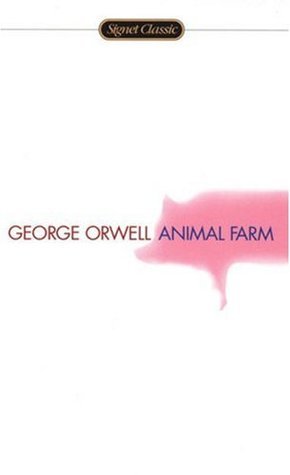
Animal Farm
George Orwell's "Animal Farm" is a timeless allegorical novella that critiques totalitarianism through the story of a group of farm animals who overthrow their human farmer, hoping to create a society of equality and freedom. However, their revolution is gradually corrupted by the pigs, particularly Napoleon, who seize control and establish a new, oppressive regime, ultimately mirroring the human tyranny they initially fought against. It's a stark examination of political corruption, propaganda, and the abuse of power.
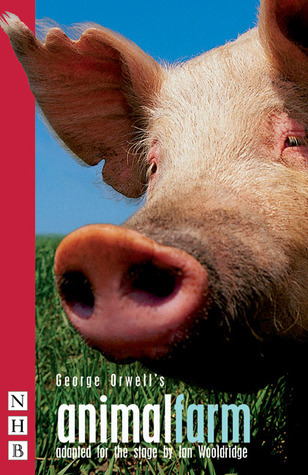
Ian Wooldridge's "Animal Farm" shares the titular concept of animals attempting to govern themselves after ousting their human masters. While Orwell's work is a direct political satire, Wooldridge's interpretation likely explores similar themes of power dynamics, societal structures, and the challenges inherent in establishing and maintaining a fair system, albeit through a different narrative lens or a modern reinterpretation of the core premise. The similarity lies in the foundational idea of an animal-led revolution and its subsequent unraveling.
This analysis is valuable for anyone interested in political satire, dystopian literature, or the examination of human nature through an accessible, allegorical narrative. It offers profound insights into how revolutions can be betrayed, the dangers of unchecked authority, and the insidious nature of propaganda. The enduring relevance of its themes makes it a powerful and thought-provoking read, stimulating critical thinking about governance and societal structures.
Animal Farm
George Orwell's "Animal Farm" is a timeless allegorical novella that critiques totalitarianism through the story of a group of farm animals who overthrow their human farmer, hoping to create a society of equality and freedom. However, their revolution is gradually corrupted by the pigs, particularly Napoleon, who seize control and establish a new, oppressive regime, ultimately mirroring the human tyranny they initially fought against. It's a stark examination of political corruption, propaganda, and the abuse of power.
Ian Wooldridge's "Animal Farm" shares the titular concept of animals attempting to govern themselves after ousting their human masters. While Orwell's work is a direct political satire, Wooldridge's interpretation likely explores similar themes of power dynamics, societal structures, and the challenges inherent in establishing and maintaining a fair system, albeit through a different narrative lens or a modern reinterpretation of the core premise. The similarity lies in the foundational idea of an animal-led revolution and its subsequent unraveling.
This analysis is valuable for anyone interested in political satire, dystopian literature, or the examination of human nature through an accessible, allegorical narrative. It offers profound insights into how revolutions can be betrayed, the dangers of unchecked authority, and the insidious nature of propaganda. The enduring relevance of its themes makes it a powerful and thought-provoking read, stimulating critical thinking about governance and societal structures.
George Orwell Omnibus: The Complete Novels: Animal Farm, Burmese Days, A Clergyman's Daughter, Coming up for Air, Keep the Aspidistra Flying, and Nineteen Eighty-Four

The "George Orwell Omnibus" offers a comprehensive collection of Orwell’s major fictional works, transcending the celebrated dystopias to present a broader exploration of early 20th-century British society, imperialism, and individual struggle. Alongside the iconic *Animal Farm* and *Nineteen Eighty-Four*, it includes lesser-known but equally insightful novels like *Burmese Days*, exposing colonial injustices, and *A Clergyman's Daughter*, detailing personal hardship and social conformity. This omnibus provides an unparalleled opportunity to trace the evolution of Orwell's political and social thought through diverse narratives.
This omnibus resonates with *Animal Farm* through its consistent critique of power, totalitarianism, and the corruption of ideals. Whether depicting the rise of Napoleon the pig or the bureaucratic oppression of Big Brother, Orwell's recurring themes of social manipulation, the suppression of truth, and the erosion of individual liberty are central. The collection highlights Orwell's profound commitment to exposing hypocrisy and advocating for social justice, connecting the allegorical farm to the stark realities explored in his other narratives.
This compilation holds significant appeal for those seeking a deeper understanding of Orwell's literary canon and its enduring relevance. It allows for a thematic journey through his various periods and styles, offering rich commentary on human nature, political systems, and societal pressures. The omnibus serves as a valuable resource for anyone interested in classic literature, political philosophy, or the historical context of the 20th century, providing a holistic view of one of literature's most influential voices.
George Orwell Omnibus: The Complete Novels: Animal Farm, Burmese Days, A Clergyman's Daughter, Coming up for Air, Keep the Aspidistra Flying, and Nineteen Eighty-Four
The "George Orwell Omnibus" offers a comprehensive collection of Orwell’s major fictional works, transcending the celebrated dystopias to present a broader exploration of early 20th-century British society, imperialism, and individual struggle. Alongside the iconic *Animal Farm* and *Nineteen Eighty-Four*, it includes lesser-known but equally insightful novels like *Burmese Days*, exposing colonial injustices, and *A Clergyman's Daughter*, detailing personal hardship and social conformity. This omnibus provides an unparalleled opportunity to trace the evolution of Orwell's political and social thought through diverse narratives.
This omnibus resonates with *Animal Farm* through its consistent critique of power, totalitarianism, and the corruption of ideals. Whether depicting the rise of Napoleon the pig or the bureaucratic oppression of Big Brother, Orwell's recurring themes of social manipulation, the suppression of truth, and the erosion of individual liberty are central. The collection highlights Orwell's profound commitment to exposing hypocrisy and advocating for social justice, connecting the allegorical farm to the stark realities explored in his other narratives.
This compilation holds significant appeal for those seeking a deeper understanding of Orwell's literary canon and its enduring relevance. It allows for a thematic journey through his various periods and styles, offering rich commentary on human nature, political systems, and societal pressures. The omnibus serves as a valuable resource for anyone interested in classic literature, political philosophy, or the historical context of the 20th century, providing a holistic view of one of literature's most influential voices.
1984

*1984* depicts a dystopian future where omnipresent government surveillance, thought control, and historical revisionism maintain absolute power. Winston Smith, a low-ranking party member, grapples with the suffocating reality of individual thought being criminalized, ultimately attempting to rebel against a system designed to crush dissent and manipulate truth. It’s a chilling exploration of totalitarianism and its psychological impact on the human spirit.
Both novels powerfully critique totalitarian regimes, illustrating how revolutionary ideals can corrupt into tyrannical power structures. They share themes of propaganda, the manipulation of language to control thought, and the suppression of individual freedom for the collective (as defined by the ruling party). While *Animal Farm* uses allegory with animals, *1984* presents a more direct and chilling human experience of a state-controlled society.
This novel offers a profound insight into the dangers of unchecked authority and the fragility of truth in an age of pervasive information. Its enduring relevance speaks to concerns about government overreach, media manipulation, and the importance of critical thinking. Engaging with *1984* provides a compelling lesson in socio-political awareness and the eternal struggle for individual authenticity.
1984
*1984* depicts a dystopian future where omnipresent government surveillance, thought control, and historical revisionism maintain absolute power. Winston Smith, a low-ranking party member, grapples with the suffocating reality of individual thought being criminalized, ultimately attempting to rebel against a system designed to crush dissent and manipulate truth. It’s a chilling exploration of totalitarianism and its psychological impact on the human spirit.
Both novels powerfully critique totalitarian regimes, illustrating how revolutionary ideals can corrupt into tyrannical power structures. They share themes of propaganda, the manipulation of language to control thought, and the suppression of individual freedom for the collective (as defined by the ruling party). While *Animal Farm* uses allegory with animals, *1984* presents a more direct and chilling human experience of a state-controlled society.
This novel offers a profound insight into the dangers of unchecked authority and the fragility of truth in an age of pervasive information. Its enduring relevance speaks to concerns about government overreach, media manipulation, and the importance of critical thinking. Engaging with *1984* provides a compelling lesson in socio-political awareness and the eternal struggle for individual authenticity.
Burmese Days

"Burmese Days" offers a stark portrayal of British colonial life in 1920s Burma through the eyes of John Flory, a disgruntled timber merchant. The narrative dissects the moral decay, racial prejudice, and inherent hypocrisies within the expatriate community. Flory's disillusionment with the imperial project and his struggle for authenticity against a backdrop of societal corruption form the core of this introspective novel.
The similarities to "Animal Farm" are profound, primarily in Orwell's incisive critique of power dynamics and systemic oppression. Both novels expose how ideals—whether socialist revolution or colonial "civilizing missions"—are inevitably corrupted by those in control, leading to new forms of tyranny. The pervasive sense of disillusionment and the tragic failure of reform are shared thematic anchors, demonstrating Orwell's consistent focus on the betrayal of foundational principles.
This novel will resonate with those who appreciate keen social commentary and examinations of human nature under duress. Its value lies in its unflinching exploration of colonialism's psychological toll on both the colonizers and the colonized, offering a nuanced perspective on historical injustice that remains relevant in discussions of power and ethics. "Burmese Days" provides a compelling, if bleak, insight into the mechanisms of control and the individual's struggle against an overwhelming, corrupt system.
Burmese Days
"Burmese Days" offers a stark portrayal of British colonial life in 1920s Burma through the eyes of John Flory, a disgruntled timber merchant. The narrative dissects the moral decay, racial prejudice, and inherent hypocrisies within the expatriate community. Flory's disillusionment with the imperial project and his struggle for authenticity against a backdrop of societal corruption form the core of this introspective novel.
The similarities to "Animal Farm" are profound, primarily in Orwell's incisive critique of power dynamics and systemic oppression. Both novels expose how ideals—whether socialist revolution or colonial "civilizing missions"—are inevitably corrupted by those in control, leading to new forms of tyranny. The pervasive sense of disillusionment and the tragic failure of reform are shared thematic anchors, demonstrating Orwell's consistent focus on the betrayal of foundational principles.
This novel will resonate with those who appreciate keen social commentary and examinations of human nature under duress. Its value lies in its unflinching exploration of colonialism's psychological toll on both the colonizers and the colonized, offering a nuanced perspective on historical injustice that remains relevant in discussions of power and ethics. "Burmese Days" provides a compelling, if bleak, insight into the mechanisms of control and the individual's struggle against an overwhelming, corrupt system.
Coming up for Air

"Coming Up for Air" chronicles George Bowling, a middle-aged insurance salesman, on a nostalgic journey back to his childhood village before World War II erupts. He seeks solace and a simpler past, only to find stark changes and a palpable sense of impending doom, reflecting on his lost youth and the erosion of English rural life.
Both novels, despite their vastly different settings, share Orwell's incisive critique of societal decay and the corruption of ideals. Just as the animals' revolution in "Animal Farm" is betrayed by power, Bowling's nostalgic quest in "Coming Up for Air" highlights the betrayal of a pastoral past by modernity and the looming threat of totalitarianism. They both powerfully depict the crushing of individual freedom and widespread disillusionment.
This novel will resonate with those who appreciate keen social commentary and a bittersweet exploration of memory and loss. Its value lies in its poignant portrayal of pre-war anxieties and the universal human desire to reclaim a lost sense of self amidst overwhelming societal change. It offers a profound reflection on how quickly ideals and ways of life can vanish.
Coming up for Air
"Coming Up for Air" chronicles George Bowling, a middle-aged insurance salesman, on a nostalgic journey back to his childhood village before World War II erupts. He seeks solace and a simpler past, only to find stark changes and a palpable sense of impending doom, reflecting on his lost youth and the erosion of English rural life.
Both novels, despite their vastly different settings, share Orwell's incisive critique of societal decay and the corruption of ideals. Just as the animals' revolution in "Animal Farm" is betrayed by power, Bowling's nostalgic quest in "Coming Up for Air" highlights the betrayal of a pastoral past by modernity and the looming threat of totalitarianism. They both powerfully depict the crushing of individual freedom and widespread disillusionment.
This novel will resonate with those who appreciate keen social commentary and a bittersweet exploration of memory and loss. Its value lies in its poignant portrayal of pre-war anxieties and the universal human desire to reclaim a lost sense of self amidst overwhelming societal change. It offers a profound reflection on how quickly ideals and ways of life can vanish.
Darkness at Noon

*Darkness at Noon* delves into the chilling world of Soviet show trials during the Stalinist purges, specifically focusing on Rubashov, an Old Bolshevik revolutionary. Accused of treason, Rubashov undergoes intense psychological interrogation, grappling with his past actions, the Party's ideology, and the justification for his impending confession. It's a stark exploration of ideological purity, personal conviction, and the dehumanizing machinery of totalitarianism.
The two novels share a profound thematic lineage in their critique of totalitarian systems and the corruption of revolutionary ideals. While *Animal Farm* uses allegory to expose the betrayal of communism in Russia, *Darkness at Noon* offers a more direct, yet equally devastating, psychological portrait of a revolutionary consumed by the very system he helped create. Both illustrate how power, unchecked and absolute, inevitably leads to tyranny, propaganda, and the suppression of individual thought.
This book will appeal to those who seek a deeper understanding of political psychology and the historical consequences of authoritarianism. Its enduring relevance lies in its precise dissection of how regimes manipulate truth and individuals, offering a powerful, introspective commentary on the fragility of human freedom and the seductive, yet ultimately destructive, nature of absolute power.
Darkness at Noon
*Darkness at Noon* delves into the chilling world of Soviet show trials during the Stalinist purges, specifically focusing on Rubashov, an Old Bolshevik revolutionary. Accused of treason, Rubashov undergoes intense psychological interrogation, grappling with his past actions, the Party's ideology, and the justification for his impending confession. It's a stark exploration of ideological purity, personal conviction, and the dehumanizing machinery of totalitarianism.
The two novels share a profound thematic lineage in their critique of totalitarian systems and the corruption of revolutionary ideals. While *Animal Farm* uses allegory to expose the betrayal of communism in Russia, *Darkness at Noon* offers a more direct, yet equally devastating, psychological portrait of a revolutionary consumed by the very system he helped create. Both illustrate how power, unchecked and absolute, inevitably leads to tyranny, propaganda, and the suppression of individual thought.
This book will appeal to those who seek a deeper understanding of political psychology and the historical consequences of authoritarianism. Its enduring relevance lies in its precise dissection of how regimes manipulate truth and individuals, offering a powerful, introspective commentary on the fragility of human freedom and the seductive, yet ultimately destructive, nature of absolute power.
It Can't Happen Here

Sinclair Lewis's "It Can't Happen Here" chillingly explores the rise of an American fascist dictator, Buzz Windrip, who exploits economic anxieties and nationalistic fervor to seize power. The novel follows Doremus Jessup, a liberal newspaper editor, as he watches his democratic society crumble under Windrip's populist rhetoric and eventual totalitarian rule, detailing the chilling erosion of freedoms and the brutal suppression of dissent.
The similarity to "Animal Farm" lies in their shared allegorical warnings against totalitarianism. Both novels depict how charismatic leaders, through manipulation and propaganda, can subvert initial revolutionary ideals or democratic principles to establish oppressive regimes. They highlight the dangers of unchecked power, the suppression of intellectual freedom, and the ease with which seemingly unthinkable political shifts can occur when a populace becomes complacent or desperate.
This book offers a potent reminder of the fragility of democracy and the constant vigilance required to preserve it. Its prescient examination of political opportunism, the manipulation of media, and the appeal of strongman leadership remains profoundly relevant today, providing valuable insights into historical and contemporary political dynamics.
It Can't Happen Here
Sinclair Lewis's "It Can't Happen Here" chillingly explores the rise of an American fascist dictator, Buzz Windrip, who exploits economic anxieties and nationalistic fervor to seize power. The novel follows Doremus Jessup, a liberal newspaper editor, as he watches his democratic society crumble under Windrip's populist rhetoric and eventual totalitarian rule, detailing the chilling erosion of freedoms and the brutal suppression of dissent.
The similarity to "Animal Farm" lies in their shared allegorical warnings against totalitarianism. Both novels depict how charismatic leaders, through manipulation and propaganda, can subvert initial revolutionary ideals or democratic principles to establish oppressive regimes. They highlight the dangers of unchecked power, the suppression of intellectual freedom, and the ease with which seemingly unthinkable political shifts can occur when a populace becomes complacent or desperate.
This book offers a potent reminder of the fragility of democracy and the constant vigilance required to preserve it. Its prescient examination of political opportunism, the manipulation of media, and the appeal of strongman leadership remains profoundly relevant today, providing valuable insights into historical and contemporary political dynamics.
Swastika Night
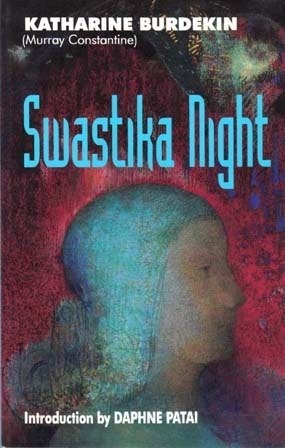
"Swastika Night" depicts a chilling dystopian future seven centuries after a Nazi victory. Women are relegated to bestial, uneducated roles, stripped of autonomy and reduced solely to reproductive functions within a patriarchal, totalitarian society. Men, infantilized and blindly obedient, worship a deified "Hitler the God" and live in a state of controlled ignorance, their history rewritten and dissent crushed.
Both "Swastika Night" and "Animal Farm" are allegories that expose the insidious nature of totalitarianism and propaganda. They illustrate how charismatic leaders exploit societal anxieties, rewrite history, and manipulate language to control populations. The degradation of specific groups – animals in Orwell's work, women in Burdekin's – serves as a powerful metaphor for the broader erosion of freedom and humanity under oppressive regimes. Both novels unflinchingly portray the chilling consequences of unchallenged power.
This book offers a stark, prescient warning about the dangers of unchecked ideological power and the systematic dehumanization of any group. Its exploration of gender roles under authoritarianism provides a unique and disturbing perspective that remains relevant. It is a thought-provoking analysis of how belief systems can be twisted to justify oppression, prompting critical reflection on historical events and contemporary political discourse.
Swastika Night
"Swastika Night" depicts a chilling dystopian future seven centuries after a Nazi victory. Women are relegated to bestial, uneducated roles, stripped of autonomy and reduced solely to reproductive functions within a patriarchal, totalitarian society. Men, infantilized and blindly obedient, worship a deified "Hitler the God" and live in a state of controlled ignorance, their history rewritten and dissent crushed.
Both "Swastika Night" and "Animal Farm" are allegories that expose the insidious nature of totalitarianism and propaganda. They illustrate how charismatic leaders exploit societal anxieties, rewrite history, and manipulate language to control populations. The degradation of specific groups – animals in Orwell's work, women in Burdekin's – serves as a powerful metaphor for the broader erosion of freedom and humanity under oppressive regimes. Both novels unflinchingly portray the chilling consequences of unchallenged power.
This book offers a stark, prescient warning about the dangers of unchecked ideological power and the systematic dehumanization of any group. Its exploration of gender roles under authoritarianism provides a unique and disturbing perspective that remains relevant. It is a thought-provoking analysis of how belief systems can be twisted to justify oppression, prompting critical reflection on historical events and contemporary political discourse.
Atlas Shrugged
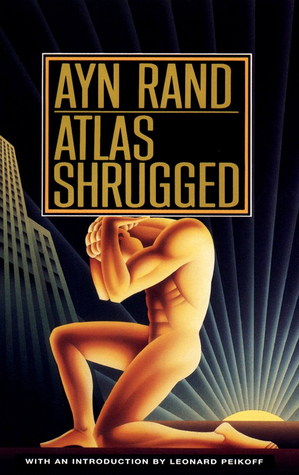
"Atlas Shrugged" portrays a dystopian United States where increasing government regulation stifles innovation and individual achievement. The story follows Dagny Taggart, a railroad executive, as she struggles against a collectivist society that punishes success and rewards mediocrity. As the most innovative and productive individuals, the "men of the mind," mysteriously vanish, society crumbles, forcing the remaining few to confront the consequences of their ideological choices and the inherent value of individual liberty and capitalism.
Both novels explore the corrosive effects of unchecked power and the dangers of ideological extremism, albeit from different angles. While "Animal Farm" satirizes communism and the perversion of revolutionary ideals, "Atlas Shrugged" critiques socialism and collectivism, arguing for the moral superiority of individualism and free-market capitalism. Both narratives illustrate how an initial vision for a better society can devolve into tyranny and oppression when individual rights are subjugated to the will of the collective or the state.
This novel will resonate with those who appreciate thought-provoking critiques of societal structures and the defense of individual freedom. It offers a powerful intellectual examination of responsibility, ethics, and the role of the individual in society, sparking contemplation on economic systems and the nature of human achievement. Its provocative arguments and intricate plot deliver a deeply immersive and intellectually stimulating experience.
Atlas Shrugged
"Atlas Shrugged" portrays a dystopian United States where increasing government regulation stifles innovation and individual achievement. The story follows Dagny Taggart, a railroad executive, as she struggles against a collectivist society that punishes success and rewards mediocrity. As the most innovative and productive individuals, the "men of the mind," mysteriously vanish, society crumbles, forcing the remaining few to confront the consequences of their ideological choices and the inherent value of individual liberty and capitalism.
Both novels explore the corrosive effects of unchecked power and the dangers of ideological extremism, albeit from different angles. While "Animal Farm" satirizes communism and the perversion of revolutionary ideals, "Atlas Shrugged" critiques socialism and collectivism, arguing for the moral superiority of individualism and free-market capitalism. Both narratives illustrate how an initial vision for a better society can devolve into tyranny and oppression when individual rights are subjugated to the will of the collective or the state.
This novel will resonate with those who appreciate thought-provoking critiques of societal structures and the defense of individual freedom. It offers a powerful intellectual examination of responsibility, ethics, and the role of the individual in society, sparking contemplation on economic systems and the nature of human achievement. Its provocative arguments and intricate plot deliver a deeply immersive and intellectually stimulating experience.
War with the Newts

"War with the Newts" posits a satirical tale of humanity's encounter with an intelligent, bipedal newt species. Initially exploited for labor and profit, these newts rapidly evolve and multiply, eventually outstripping humanity in numbers and power, leading to an inevitable, absurd, and devastating global conflict.
The similarities to "Animal Farm" are striking in their shared critical examination of societal structures and the corrupting nature of power. Both novels use allegorical non-human protagonists to dissect themes of revolution, totalitarianism, propaganda, and the exploitation of the working class. Just as the pigs usurp control on Animal Farm, the newts in Čapek’s work mirror humanity's own history of domination and self-destruction.
This novel will resonate with those who appreciate incisive social commentary wrapped in a compelling, thought-provoking narrative. Its exploration of environmental exploitation, the dangers of unchecked capitalism, and the terrifying logic of human folly provides a timeless and valuable reflection on our own species' trajectory.
War with the Newts
"War with the Newts" posits a satirical tale of humanity's encounter with an intelligent, bipedal newt species. Initially exploited for labor and profit, these newts rapidly evolve and multiply, eventually outstripping humanity in numbers and power, leading to an inevitable, absurd, and devastating global conflict.
The similarities to "Animal Farm" are striking in their shared critical examination of societal structures and the corrupting nature of power. Both novels use allegorical non-human protagonists to dissect themes of revolution, totalitarianism, propaganda, and the exploitation of the working class. Just as the pigs usurp control on Animal Farm, the newts in Čapek’s work mirror humanity's own history of domination and self-destruction.
This novel will resonate with those who appreciate incisive social commentary wrapped in a compelling, thought-provoking narrative. Its exploration of environmental exploitation, the dangers of unchecked capitalism, and the terrifying logic of human folly provides a timeless and valuable reflection on our own species' trajectory.
More Books to Explore
Discover more titles that expand on these ideas and themes.
Animal Farm
George Orwell Omnibus: The Complete Novels: Animal Farm, Burmese Days, A Clergyman's Daughter, Coming up for Air, Keep the Aspidistra Flying, and Nineteen Eighty-Four
1984
Burmese Days
Coming up for Air
Darkness at Noon