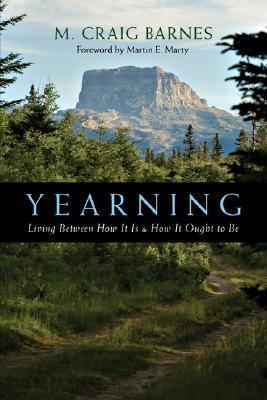
Yearning: Living Between How It Is How It Ought to Be
Book Description
Yearning pulses at the heart of the human experience, where the stark divide between reality and aspirations casts shadows on every dream. M. Craig Barnes takes you on a journey through the soul’s most profound struggles, exploring how we confront our deepest desires while navigating life’s unyielding truths. With every turn of the page, the tension builds as the quest for fulfillment clashes with the weight of existence. Hope flickers like a candle in the darkness, urging perseverance against the odds. What happens when the longing for something more ignites the drive to boldly redefine life as it unfolds?
Quick Book Summary
"Yearning: Living Between How It Is and How It Ought to Be" by M. Craig Barnes is a thoughtful exploration of the deep longings at the core of human existence. Drawing upon rich theological insights, Barnes delves into the dissonance between our present realities and the lives we hope for. He encourages readers to acknowledge the inevitability of yearning—not as a flaw, but as an essential aspect of spirituality and faith. Rather than seeking quick fixes or pretending contentment, Barnes suggests embracing our longing as a driving force that leads us to God and authentic living. Through honest engagement with both pain and hope, he calls for patience and perseverance, illuminating how yearning shapes our characters and spiritual journeys.




Summary of Key Ideas
Table of Contents
Embracing the Reality of Yearning
Barnes begins by inviting readers to acknowledge and accept the restlessness that marks every human heart. He argues that yearning is intrinsic to the human condition, springing from our awareness of the gulf between the world as it is and the world as we wish it to be. This recognition is not cause for despair, but rather a catalyst for spiritual honesty. Rather than escaping longing or covering it up with distractions or denial, Barnes proposes that facing our desires can lead to depth and authenticity in our spiritual lives.
Finding God in the Midst of Longing
The author moves to explore how yearning can become a meeting point with the divine. In the Christian tradition, longing itself is often seen as a signpost to God; it reminds us of our created purpose, our finite limitations, and our ultimate dependence on something greater. By bringing our longing into prayer, worship, and reflection, Barnes suggests that we find God not apart from our struggles, but within them. God meets us in our yearning, using it as a pathway for deeper relationship and transformation.
Living Faithfully in the Tension of Now and Not Yet
Barnes encourages readers to embrace the ongoing tension between the present realities of life and the vision of how things ought to be. Instead of seeking premature closure or resolution, spiritual maturity comes from learning to live faithfully within this gap. This posture demands both humility and hope: humility in recognizing our incompleteness, and hope in God’s promises and presence. Accepting the in-betweenness of life leads to perseverance, patience, and a more resilient faith.
Transformative Power of Suffering and Hope
Suffering and disappointment, Barnes contends, are not signs of faithlessness, but are part and parcel of the yearning experience. He addresses the temptation to spiritualize suffering away or to assume that faith will eliminate pain. Instead, enduring hardship with honesty can refine our character and deepen our empathy. It is in the crucible of suffering, held in tension with hope, that yearning becomes transformative. Through these experiences, we grow in solidarity with others, and find new meaning in our own struggles.
Redefining Fulfillment Through Spiritual Growth
Ultimately, Barnes redefines fulfillment, challenging the cultural narrative that equates satisfaction with getting what we want. He emphasizes spiritual growth over superficial happiness, and encourages readers to view longing as a lifelong companion rather than a problem to solve. True contentment, he argues, is found not in the absence of yearning, but in using it to draw closer to God and to shape our lives with purpose, love, and hope.
Download This Summary
Get a free PDF of this summary instantly — no email required.