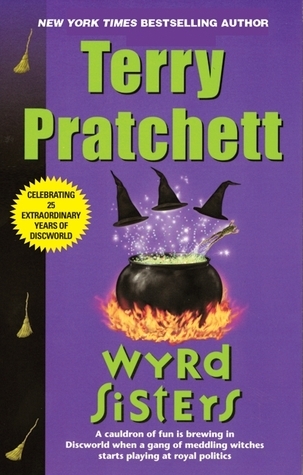
Wyrd Sisters
Book Description
Amidst swirling intrigue and stormy skies, three witches weave fate’s tapestry in a world where power means peril and truths twist like shadows. Granny Weatherwax, Nanny Ogg, and the enigmatic Agnes Nitt face an unruly kingdom teetering on the brink of chaos, a dead king’s ghost, and a villainous Duke with his own dark designs. As they navigate alliances and rivalries, their bond is tested, and the very fabric of destiny hangs in the balance. With laughter and magic intertwined, will they restore order, or will the kingdom plunge into darkness? What happens when the witches take the stage?
Quick Book Summary
Wyrd Sisters is a satirical fantasy novel by Terry Pratchett in which witchcraft, destiny, and the power of storytelling entwine within the kingdom of Lancre. The formidable trio—Granny Weatherwax, practical and proud; Nanny Ogg, raucous and wise; and Magrat Garlick, earnest and naïve—find themselves drawn into royal intrigue after the murder of King Verence. The witches discover the infant heir and hide him with a troupe of traveling actors. With the villainous Duke Felmet manipulating events to claim the throne, the witches must not only challenge conventional ideas about destiny and good governance, but also face metaphysical threats like a vengeful ghost and the mutability of reality itself. Full of sharp wit and parody, the novel lampoons Shakespearean drama while examining the nature of power, justice, and the importance of collective wisdom.


Summary of Key Ideas
Table of Contents
Subverting Destiny and Fate
In the tumultuous kingdom of Lancre, the murder of King Verence by the ambitious Duke Felmet and his ruthless wife sets off a chain of supernatural and political events. The king’s ghost appeals to the witches of Lancre—Granny Weatherwax, Nanny Ogg, and Magrat Garlick—to help avenge his death and restore order. The witches, known for their pragmatic magic and skepticism toward meddling with fate, nevertheless take in the king’s infant son, spiriting him away to safety among a troupe of traveling actors who unknowingly raise the true heir in a world of illusion and performance.
The Role of Stories and Theatre
As Duke Felmet’s cruel reign alienates the land itself, the witches struggle with the ethical boundaries of interfering in mortal affairs. Pratchett explores the limits of power, questioning who deserves to lead and the repercussions of authoritarian rule. The witches are forced to balance magical intervention with cunning, orchestrating events so that justice can flourish organically rather than by direct interference. Storytelling becomes both disguise and weapon, as the troupe’s performances blur the lines between truth and fiction, reshaping public perception and ultimately influencing the outcome of the kingdom’s fate.
Power, Corruption, and Leadership
Manipulation of narratives takes center stage when the witches realize that the best way to restore the rightful king is through a play that reveals the true history of Lancre’s throne. By weaving theatrical magic with reality, they facilitate the return of the lost prince, Tomjon, raising questions about the nature of royalty and whether bloodline or virtue makes a ruler. The intertwining of stories and identity becomes critical as the witches confront their adversaries not just with spells, but also with clever subversion of expectations and public sentiment, echoing and parodying Shakespearean motifs.
The Strength of Unconventional Allies
Throughout their struggles, Granny Weatherwax’s unyielding strength and leadership, Nanny Ogg’s earthiness, and Magrat’s idealism prove vital. Each witch brings unique skills and perspectives, challenging each other and growing through adversity. Their camaraderie and wit are as powerful as their magic, enabling them to outthink and outmaneuver those who would misuse authority. Their collective wisdom highlights the importance of collaboration over individual heroism in addressing injustice and restoring balance to the world.
Wit as a Tool for Survival
Pratchett’s narrative, rich in humor and irony, leverages fantasy not only to entertain but also to critique societal constructs of power, storytelling, and gender roles. Wyrd Sisters cleverly invokes and satirizes both folklore and Shakespeare, especially Macbeth and Hamlet, while affirming the resilience of unconventional heroines. The novel ultimately underscores the idea that fate is not fixed, but is shaped by those bold enough to challenge stories—and by the wit and will of those determined to set things right.
Download This Summary
Get a free PDF of this summary instantly — no email required.