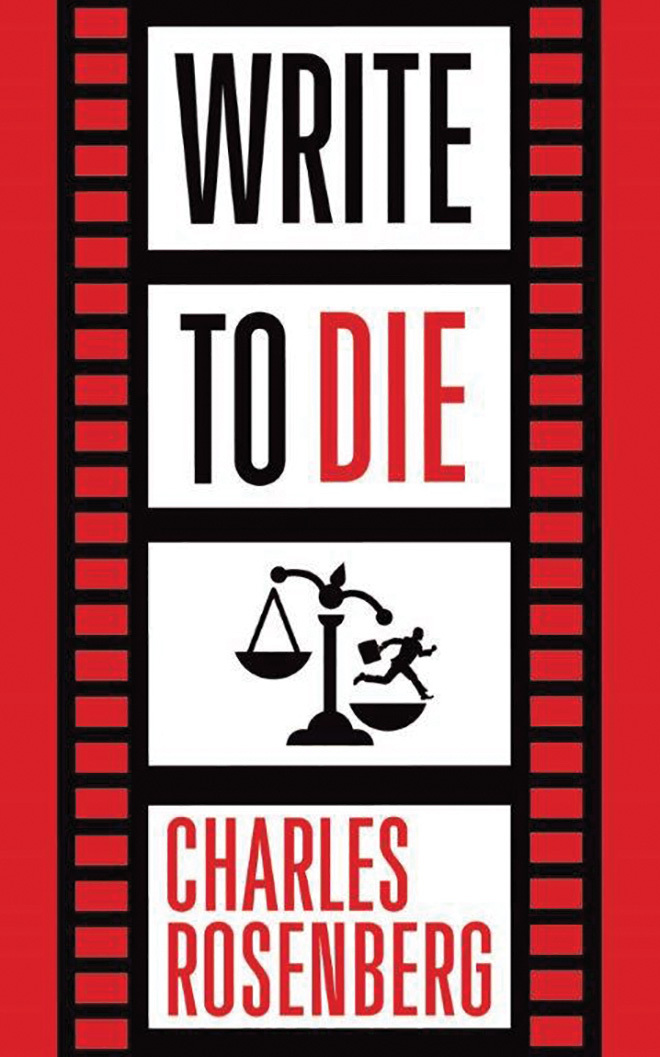
Write to Die
Book Description
Words can kill. When a brilliant but reclusive author is found dead, his unfinished manuscript becomes the key to unraveling a web of deceit and betrayal in the cutthroat world of publishing. As literary agents, rival writers, and a determined detective race against time to decode the secrets hidden between the pages, tensions rise and alliances shift. Every twist reveals shocking truths, but who among them is willing to resort to murder to claim a bestseller? With lives hanging in the balance, the question looms: how far will they go to silence a story that could change everything?
Quick Book Summary
"Write to Die" by Charles Rosenberg is a riveting legal thriller set in the high-stakes world of publishing. When iconic but intensely private author Jasper Hargrove is found dead in his study, speculation abounds over whether his death was suicide or murder. His final, incomplete manuscript becomes a hot commodity, with literary agents, editors, and rival authors vying for its secrets and potential profits. Inspector Maggie Kincaid is pulled into the investigation, navigating an intricate web of professional jealousy and personal vendettas. As Maggie races against the clock, she unearths carefully guarded motives and unravels clues hidden in the manuscript itself. In a realm where reputation, power, and money collide, every alliance is tenuous and words can be deadly. The truth threatens to upend lives, and the story becomes as dangerous as the killer wielding the pen.




Summary of Key Ideas
Table of Contents
The Dangerous Power of Storytelling
Jasper Hargrove's death sends shockwaves through the elite halls of publishing. Although initially ruled a possible suicide, a series of cryptic clues and inconsistencies trigger suspicion. Hargrove’s reputation as a brilliant recluse and the unfinished manuscript he leaves behind spark feverish interest. Rumors swirl regarding secrets he may have exposed about industry figures in his final work, making everyone around him a potential suspect and beneficiary.
Ambition and Betrayal in the Literary World
Detective Maggie Kincaid leads the investigation, quickly realizing that Hargrove’s inner circle is rife with secrets and ulterior motives. Rival authors harbor grudges over past slights and envy Hargrove’s acclaim, while literary agents and publishers see the manuscript as a ticket to fame or ruin. Maggie navigates shifting alliances, extracting guarded confessions from those desperate to secure their own futures. Each interview peels back another layer of deception, illuminating the competitive and often ruthless nature of literary success.
The Search for Truth Amidst Deceit
The manuscript itself becomes a puzzle—a meta-mystery embedded with real-world betrayals that echo the circumstances of Hargrove’s demise. Maggie dissects the narrative, searching for hidden meanings and revelations. The more she reads, the more parallels emerge between fiction and reality, forcing her to question where the story ends and the crime begins. Extracting the truth becomes a race against rivals seeking to bury or manipulate the material for personal gain.
The Morality of Fame and Success
Throughout her investigation, Maggie confronts the ambiguous morality of those willing to kill, plagiarize, or sabotage to preserve power or achieve acclaim. The line between victim and perpetrator blurs in a world where fame is fleeting and reputations are built on fragile foundations. Old friendships are tested, trusts betrayed, and the publishing ecosystem is revealed as a nest of ambition and insecurity.
The Art of Investigation and Deduction
As the case reaches its climax, Maggie’s persistence lays bare the motivations behind Hargrove’s death. The manuscript’s explosive secrets threaten not only careers but lives, and those involved must decide how much they are willing to risk to protect themselves. In the end, justice is served not just through legal means but by exposing the truths woven between the lines—a testament to the enduring, and sometimes lethal, power of storytelling.
Download This Summary
Get a free PDF of this summary instantly — no email required.