
Words of (Questionable) Wisdom from Lydia Goldblatt and Julie Graham-Chang
Book Description
Friendship is a rollercoaster of awkward moments and questionable decisions. Lydia Goldblatt and Julie Graham-Chang navigate the chaotic waters of middle school with wit and humor, armed with a collection of lessons learned the hard way. As they confront crushes, cliques, and the ever-mysterious world of adolescence, their friendship faces tests that feel almost insurmountable. With each misstep, laughter and heartache collide, pulling readers into a whirlwind of relatable triumphs and relatable failures. Can their bond survive the turbulence of growing up, or will these wisecracking girls discover that some friendships are meant to evolve?
Quick Book Summary
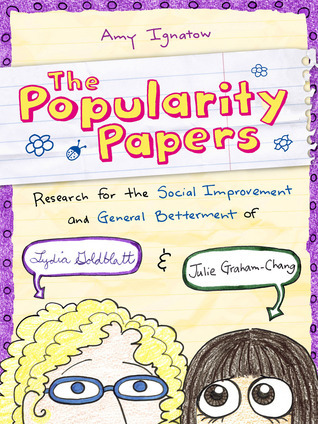
"Words of (Questionable) Wisdom from Lydia Goldblatt and Julie Graham-Chang" by Amy Ignatow is a witty middle grade graphic novel chronicling the ups and downs of two best friends navigating the trials of middle school. Through scribbled lists, funny illustrations, and earnest journal entries, Lydia and Julie try to decode the baffling world of adolescence filled with embarrassing mishaps, confusing crushes, and shifting social groups. As they experiment with everything from fashion to friendship advice, their attempts at growing up are both hilarious and heartwarming. The book captures the messiness, loyalty, and sometimes the pain of sustaining friendships during periods of self-discovery, showing that wisdom often comes from the most awkward moments.


Summary of Key Ideas
Table of Contents
Navigating Middle School Challenges
Lydia Goldblatt and Julie Graham-Chang are two middle schoolers who approach the chaos of adolescence with humor and honesty. Armed with notebooks, doodles, and lists, they document their attempts to survive middle school’s bewildering terrain. The girls’ observations on popularity, crushes, and self-identity are both uproarious and deeply relatable. Every embarrassing incident, from failed hair experiments to awkward conversations with peers, becomes fodder for their growing 'wisdom.' Their willingness to poke fun at themselves empowers readers to view setbacks as learning opportunities.
Understanding and Maintaining Friendships
The core of the story is the evolving friendship between Lydia and Julie. Middle school introduces new kinds of pressures—complicated group dynamics, misunderstandings, and jealousy—that create rifts between friends. At times, Lydia and Julie struggle to trust each other fully, misreading intentions or getting swept up in cliques or gossip. However, their loyalty and shared sense of humor help them work through disagreements and insecurities, reminding readers that true friendship isn’t always smooth, but it’s worth fighting for.
Dealing with Social Pressures and Cliques
Social pressures and the desire to fit in drive much of Lydia and Julie’s comedic misadventures. Whether it’s trying out different fashion trends or deciphering the rules of cafeteria seating, the girls often find themselves caught between wanting to stand out and needing to belong. They learn that pretending to be someone they're not rarely works out as planned, and they ultimately value their individuality over fleeting popularity. These moments of self-awareness, delivered with wit, underscore the theme of staying true to oneself amid external expectations.
Learning from Mistakes and Awkwardness
Much of the book’s humor and insight comes from the girls’ less-than-successful attempts to grow up fast. Awkward moments, embarrassing crushes, and failed experiments become part of their shared mythology. Rather than being discouraged by setbacks, Lydia and Julie incorporate these experiences into their 'questionable wisdom,' recognizing that mistakes are essential to personal growth. The girls’ unique perspectives transform ordinary adolescent blunders into sources of laughter and learning, making the story accessible and encouraging for young readers.
Growing Together Through Change
By the end of their journey, Lydia and Julie come to appreciate that friendship, like growing up, is a process marked by trial, error, and plenty of second chances. They support each other through the stages of change, learning to navigate shifting relationships while not losing sight of who they are. Their shared diary of tips (both good and notably bad) showcases a friendship that evolves but endures, modeling resilience, forgiveness, and the idea that sometimes the best wisdom comes from surviving—and laughing through—the chaos of life together.
Download This Summary
Get a free PDF of this summary instantly — no email required.