
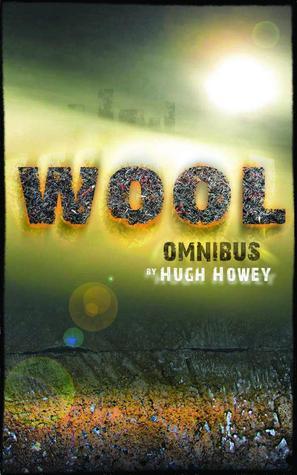
Wool
Book Description
Beneath the surface lies an unseen world teeming with secrets, where society clings to survival in a massive underground silo. As whispers of rebellion echo through the claustrophobic corridors, a mysterious crime threatens to unravel everything. Tensions rise as a group of unlikely allies grapples with the truth, awakening desires for freedom and the haunting question of what lies beyond the silos' towering walls. Each revelation shatters fragile alliances, pushing them closer to a confrontation that could alter their reality forever. Are they brave enough to confront the nightmares lurking outside, or will fear keep them buried in darkness?
Quick Book Summary
"Wool" by Hugh Howey is a gripping dystopian novel set in a future where humanity survives in a gargantuan, self-contained underground silo. Life inside the silo is tightly regulated, as leadership enforces strict rules to maintain societal order and suppress curiosity about the outside world, believed to be toxic and deadly. When a series of mysterious events and cover-ups occur, engineer Juliette Nichols uncovers long-kept secrets that threaten the silo's delicate balance. As she and a group of allies pursue the truth, they challenge oppressive authority, confront the legacy of past revolts, and rekindle the hope of a life beyond their prison. The novel weaves themes of truth, freedom, and survival in the face of systemic control and haunting uncertainty.



Summary of Key Ideas
Table of Contents
Oppression and Social Control
Life in the silo is governed by strict rules designed to ensure survival and stability after an unspecified cataclysm rendered Earth's surface uninhabitable. Citizens are taught to fear the outside, with even expressing curiosity considered a crime. Those who question the official narrative are sentenced to "cleaning," a task performed outside the silo that inevitably leads to the person's death. These oppressive controls maintain order, but at the cost of personal freedom and truth. The story begins with the silo's sheriff, Holston, who is driven by grief and unanswered questions about his wife’s fate, leading him to volunteer for cleaning himself, setting in motion the book’s central conflicts.
Secrets and Forbidden Knowledge
As suspicion about the fate of previous cleaners grows and evidence of hidden secrets mounts, Juliette Nichols, a talented and resourceful mechanic from the silo’s lower levels, becomes the new sheriff. Her technical curiosity and integrity lead her to uncover discrepancies in the silo’s operations and the nature of the world outside. As she investigates, she stumbles upon records, forbidden zones, and lost memories that contradict everything the authorities teach. Juliette’s pursuit of forbidden knowledge becomes the driving force behind broader unrest within the silo, as others begin to question their understanding of reality.
Rebellion and the Quest for Truth
The community's deeply entrenched hierarchy and the fear-mongering enforced by silo leaders, notably the head of IT Bernard, serve as both barrier and catalyst to rebellion. Juliette faces resistance and treachery, but her courage inspires a small group of allies from various levels and backgrounds. These alliances expose the social and psychological effects of relentless control—paranoia, suspicion, but also sparks of hope and camaraderie. The tension between maintaining peace and seeking truth mounts, forcing difficult choices about loyalty, trust, and self-sacrifice for the greater good.
Isolation and the Human Spirit
As Juliette and her group inch closer to the truth behind the silo and its history, the consequences grow dire. They risk not only their own lives, but also the stability of the community they are trying to save. Each revelation unravels another layer of the silo’s constructed reality, exposing the cruelty behind the system—how memories are rewritten, evidence destroyed, and dissenters silenced. Their efforts awaken dormant desires for freedom among the inhabitants, while pitting them against those who benefit from perpetuating the cycle of control and ignorance.
Sacrifice and the Cost of Freedom
Ultimately, "Wool" is a meditation on the resilience of the human spirit faced with overwhelming confinement, fear, and deception. The struggle for autonomy and truth is central, highlighting both the cost and necessity of rebellion in oppressive societies. By challenging the boundaries of their world, Juliette and her companions embody hope and the relentless pursuit of knowledge. Their journey is fraught with danger and uncertainty, but it lights a path toward liberation, leaving lingering questions about what lies beyond confinement and the possibility of rebuilding a fractured world.
Download This Summary
Get a free PDF of this summary instantly — no email required.