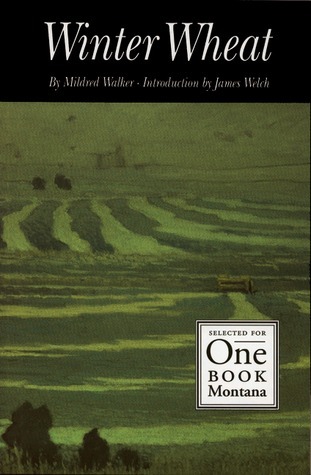
Winter Wheat
Book Description
Amidst the sprawling fields of Montana, the battle between dreams and harsh realities unfolds as a young woman's life is forever changed by the whispers of wheat and the weight of love. Torn between the allure of freedom and the chains of obligation, she grapples with loyalty to her family and the restless pull of her heart. As seasons shift and storms approach, every choice could lead to salvation or despair. With the promise of a bountiful harvest at stake and relationships hanging by a thread, what sacrifices will be made when the cold winds of winter sweep in?
Quick Book Summary
"Winter Wheat" by Mildred Walker is a classic coming-of-age novel that follows Ellen Webb, a young woman growing up on a wheat farm in Montana during the early 1940s. As Ellen transitions from adolescence to adulthood, she navigates the demands of farm life, the complexities of family, and the uncertainty of love. The harsh Montana landscape shapes Ellen's character, presenting her with challenges that test her resilience and values. Torn between her yearning for freedom and her obligations to her parents, Ellen experiences the bittersweet nature of dreams versus reality. Walker’s lyrical prose captures the cycles of the land and life, exploring themes of self-discovery, sacrifice, and the enduring bond between people and place.


Summary of Key Ideas
Table of Contents
Coming of Age on the Prarie
Ellen Webb’s journey begins on her parents’ wheat farm in Montana, where daily life is defined by hard work and the changing seasons. The wheat fields represent both hope and constraint: they are a source of sustenance and beauty but also limit Ellen’s world. As she comes of age, Ellen dreams of escape and independence, influenced by the vastness of the prairie and stories her mother—a Russian émigré—shares about distant worlds. Her father’s pragmatism and her mother’s romantic ideals form two poles between which Ellen’s identity is forged.
Family and Identity
Ellen attends college in Minnesota, her first step toward freedom. In college, she meets Gil, a man who offers her a glimpse of love and another way of life. However, when Gil visits the Webb farm, the realities of rural existence and her family’s modest means become painfully clear, shaking both Ellen’s and Gil’s perceptions. The visit catalyzes Ellen’s internal conflict: her longing for love and personal fulfillment clashes with her loyalty and duty to her parents and the land.
The Tension Between Dreams and Reality
As the seasons progress, Ellen endures both agricultural and emotional storms. The wheat crop’s success or failure looms over the family, symbolizing the precariousness of their dreams. Personal setbacks—including misunderstandings and heartbreak with Gil—compound the uncertainty. Through these hardships, Ellen gains a deeper understanding of her parents’ struggles and the sacrifices that underpin their way of life, realizing her own strengths and limitations in the process.
Love, Loss, and Sacrifice
Ellen’s relationship with her parents, especially her mother, becomes central as she reconciles their differing values. She discovers layers of complexity in their marriage and family history, prompting Ellen to reevaluate her own desires. The wisdom she gleans from her mother’s resilience and her father’s steadfastness shapes Ellen’s approach to relationships, ambition, and adversity. She comes to see both the burdens and blessings of her roots more clearly.
The Cycles of Nature and Resilience
Ultimately, "Winter Wheat" is a meditation on the cycles of nature and the endurance of the human spirit. The harsh Montana winters and the promise of spring’s renewal mirror Ellen’s emotional journey. She learns that fulfillment comes not from escape but from embracing the nuances of love and responsibility. Walker’s evocative portrayal of landscape and emotion illuminates the universal struggle to find one’s place in the world, making "Winter Wheat" a lasting testament to growth, home, and hope.
Download This Summary
Get a free PDF of this summary instantly — no email required.