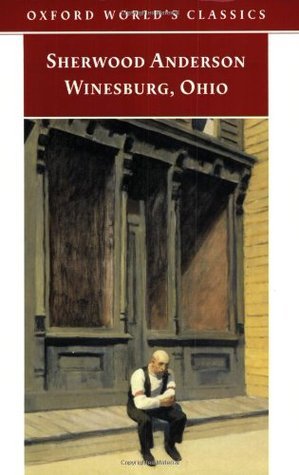
Winesburg, Ohio
Book Description
In the small town of Winesburg, Ohio, whispers of longing and isolation collide in a vivid tapestry of human emotion. Each resident hides their own truth, yearning for connection while grappling with unspoken desires. From the tortured artist to the unfulfilled lover, every story unfolds like a delicate thread, weaving a gripping narrative that unveils the heart's fragility. As their paths intertwine in moments of revelation and despair, the question lingers: can they escape the confines of their own silence, or are they destined to remain trapped in their solitary struggles?
Quick Book Summary
"Winesburg, Ohio" by Sherwood Anderson is a pioneering work of American fiction composed of interconnected short stories centered around the small, fictional town of Winesburg. Through a series of vignettes, Anderson paints poignant portraits of the town’s inhabitants, each struggling with isolation, unfulfilled desires, and the complexities of human connection. The stories, bound by recurring characters – most notably the young reporter George Willard – explore the fragile inner lives of ordinary people. As their secrets and yearnings surface, so does the central theme: beneath even the quietest existence lies a torrent of longing. Anderson’s subtle, empathetic storytelling creates a mosaic of American life, illuminating the unspoken truths that define and divide us.




Summary of Key Ideas
Table of Contents
Isolation and Loneliness
Authenticity and alienation are at the core of "Winesburg, Ohio." Each story dissects the private addictions, dreams, and traumas of residents, all of whom grapple with feelings of isolation. The book’s opening tale, "The Book of the Grotesque," frames these characters as “grotesques” – people warped by their fierce devotion to single truths or obsessions. Anderson masterfully conveys how small-town intimacy amplifies personal torment, making private struggles all the more public and inescapable, while still being shrouded in silence.
Yearning for Connection
The characters within Winesburg yearn deeply for connection, often fumbling in their attempts to bridge the gap with others. Their desires, be it for romantic love, companionship, or understanding, often founder on barriers of fear and mistrust. Stories like "Hands" and "Paper Pills" reveal figures whose efforts at intimacy are met with misunderstanding or rejection. This recurring theme underscores Anderson’s meditation on the fundamental human need for meaningful relationships and the pain when those needs remain unmet.
The Struggle with Identity
Identity crisis pervades the citizens of Winesburg, who constantly wrestle with personal roles and societal expectations. Many are haunted by past traumas or failures, uncertain how to reconcile their inner aspirations with external realities. Characters such as Wing Biddlebaum and Dr. Parcival struggle to voice their true selves, choosing withdrawal or eccentricity as coping strategies. Anderson illustrates how individuals construct facades to interact safely in the world, which often leads to further alienation, compounding their existential dilemmas.
The Search for Truth and Expression
The pursuit of truth and artistic or personal expression threads through the narrative, with several stories focusing on characters’ attempts to articulate their feelings or histories. In their confessions and narratives to George Willard, townsfolk seek recognition and validation. Anderson uses these moments to expose the universal desire to be truly known. Yet, the difficulty of honest communication—compounded by internalized shame or social strictures—means that these revelations are frequently incomplete or misunderstood.
The Role of George Willard as Observer and Participant
George Willard emerges as the linchpin of the collection, both observer and a participant. As a young journalist, he serves as a confidante for many, absorbing the confessions and stories of others. His own coming-of-age journey mirrors the experiences of those around him: he, too, struggles with love, ambition, and identity. By the book’s close, George’s decision to leave Winesburg is a poignant culmination of the town’s collective longing for escape and self-discovery, highlighting the paradox of belonging and the yearning for something beyond the familiar.
Download This Summary
Get a free PDF of this summary instantly — no email required.