
Wildwood Boys
Book Description
When the scent of gunpowder lingers and betrayal hangs thick in the air, survival becomes a deadly game among the Wildwood boys. In a rugged landscape of moral ambiguity, loyalties are tested as these young men navigate a treacherous world filled with violence and ambition. Secrets rise like smoke, friendships shatter, and the line between right and wrong blurs beneath their feet. Tensions escalate, and the stakes climb higher with each decision they make. Will they emerge as brothers or fall victim to their own demons? In the heart of chaos, what will they sacrifice to hold onto their freedom?
Quick Book Summary
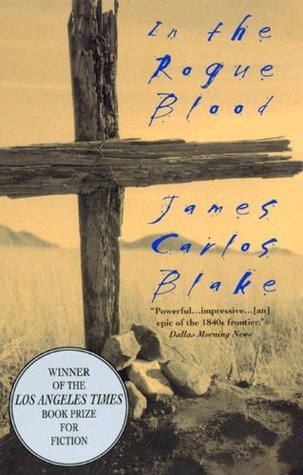
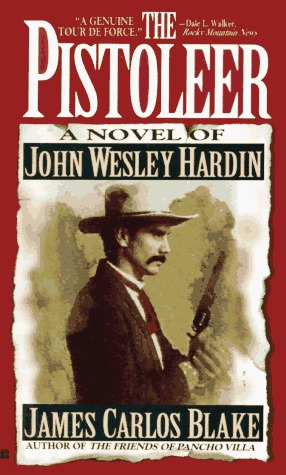
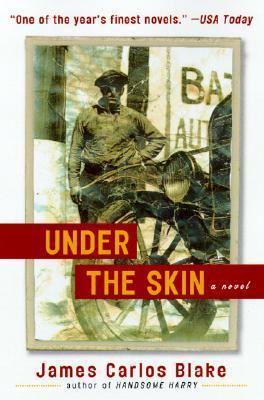
"Wildwood Boys" by James Carlos Blake plunges readers into the tumultuous world of young men navigating the chaos of the American South during the Civil War era. Against a backdrop of lawlessness, wildfire ambition, and the ever-present threat of betrayal, the novel explores the fates of its protagonists—outlaws bound by circumstance, yet divided by secrets and shifting loyalties. Their survival hinges not only on skill with a gun but on hard choices as friendships fracture and morality becomes a matter of perspective. Blake crafts a harsh yet lyrical story in which freedom comes at a steep price, and the desire for autonomy often collides with the inescapable reality of violence, race, and historical transformation.


Summary of Key Ideas
Table of Contents
Brotherhood and Betrayal
The story follows the experiences of a small group of young men—known as the Wildwood Boys—living on the margins of society during the Civil War era. Set in a raw, unforgiving southern landscape, the novel centers on their struggle for survival in a world where trust is rare and violence is never far below the surface. The narrative weaves between moments of camaraderie and deep suspicion, as the bonds of brotherhood are tested by hardship, secrets, and the ever-present threat of betrayal that hangs over their every move.
Moral Ambiguity and Survival
Themes of moral ambiguity run rampant throughout the book. The characters are propelled by necessity, personal codes, and shifting senses of right and wrong that evolve with each brutal encounter. Survival often demands choices that cannot be neatly categorized as good or evil—the protagonists must justify their actions as they grapple with guilt, regret, and the harsh imperatives of their environment. Through their journey, the boundary between heroism and villainy becomes increasingly faint, forcing both characters and readers to confront uncomfortable ethical dilemmas.
Violence and the Cost of Freedom
Violence permeates every chapter, not simply as an act but as an unavoidable element of life in the lawless South. Blake illustrates the cost of such violence—not just in lives lost but in fractured relationships, eroded innocence, and mounting psychological scars. As the Wildwood Boys carve out a path to freedom, each act of brutality brings consequences, forging new enemies and deepening rifts within their ranks. The lure of freedom often becomes entangled with their capacity for cruelty and the ever-present fear of retribution.
Race, Identity, and Division
Race and identity play a significant role, complicating alliances in a region riven by war and prejudice. The novel deftly portrays racial tensions, historical injustices, and shifting social identities, highlighting how the pursuit of autonomy can be colored by inherited hatred and systemic division. Characters are forced to navigate these minefields, at times forced to choose between expedience and principle, while the landscape itself bears the scars of slavery and civil conflict. Such realities continually challenge the characters’ understanding of who—and what—they are truly fighting for.
The Ravaged Landscape of War
The ravaged backdrop of the American South serves as both setting and symbol for the upheaval consuming the Wildwood Boys. Towns are burned, communities torn apart, and landscapes blighted, mirroring the boys’ internal struggles and the disintegration of their old world. In pursuit of their personal freedom, the characters find themselves changed—sometimes irreparably—by the chaos around them. Blake’s narrative ultimately questions what, if anything, can survive the fires of such a time: brotherhood, ideals, or even the self.
Download This Summary
Get a free PDF of this summary instantly — no email required.