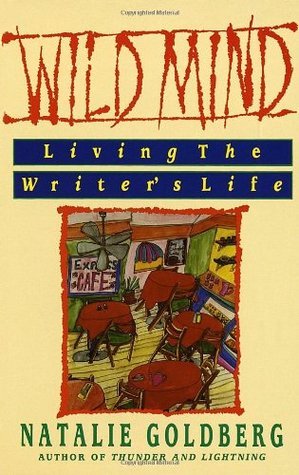
Wild Mind: Living the Writer's Life
Book Description
Unleash the raw power of your creativity in a world where the mind runs wild and words dance across the page. Natalie Goldberg invites you into a vibrant exploration of the writer's journey, blending practical wisdom with the sheer thrill of storytelling. Discover the magic of freewriting, the joy of finding your voice, and the courage to dive deep into your emotions. Each chapter pulses with inspiration and challenges the limitations of conventional thought. Can embracing chaos lead to profound clarity? Join the adventure and awaken the writer within!
Quick Book Summary
"Wild Mind: Living the Writer's Life" by Natalie Goldberg invites readers into the exhilarating process of unleashing authentic creativity through writing. Blending memoir, essay, and practical advice, Goldberg encourages writers to let go of self-censorship and embrace the chaotic, untamed aspects of their thoughts. Through freewriting exercises, personal anecdotes, and reflections on the writing life, she demonstrates how nurturing a "wild mind" can dissolve mental barriers and foster genuine self-expression. Goldberg emphasizes the necessity of writing as a daily habit, the power of observation, and the importance of embracing vulnerability. The book is a motivational companion for writers at any stage, reminding them that finding one's voice and engaging deeply with life are at the heart of meaningful writing.



Summary of Key Ideas
Table of Contents
Embracing the Wild Mind and Creative Freedom
Natalie Goldberg urges writers to embrace their "wild mind," the untamed and often chaotic inner voice that holds the key to creativity. She urges letting the mind roam freely, unshackled by self-doubt or the drive for perfection. Through stories and exercises, Goldberg reminds writers that true creativity emerges from messiness. This approach values openness and receptivity over rigid rules, encouraging writers to follow their thoughts wherever they may lead without judgment or fear. The process becomes less about producing flawless prose and more about connecting with the genuine movement of one’s mind.
The Discipline and Joy of Daily Writing
Goldberg stresses the importance of establishing writing as a daily discipline, not just a sporadic activity. She encourages writers to set aside time each day for freewriting, letting words flow without editing or restriction. This regular practice demystifies writing and dissolves the intimidation often associated with it. By writing consistently, even when uninspired, writers come to realize that discipline itself is a creative act. Goldberg’s exercises and insights transform writing from a daunting task into a joyful, if challenging, engagement with self and the world.
Observing the World with a Writer’s Eye
Another hallmark of Goldberg’s teaching is the cultivation of a writer’s eye—learning to truly see the world. She advocates paying close attention to sensory details, ordinary moments, and fleeting emotions. Writing, for Goldberg, is an act of deep observation, capturing the vivid textures of everyday life. This attentive stance, she suggests, enriches both the page and the writer’s lived experience. Writing becomes a way to honor the present moment, transforming even the mundane into material for compelling storytelling.
Courage to Be Vulnerable and Authentic
Vulnerability sits at the heart of Goldberg’s philosophy. She encourages writers to move beyond superficiality, braving the discomfort of raw emotion and deep honesty. In letting the real self emerge on the page, writers foster authentic voice and resonance. Goldberg shares her own challenges with insecurity and doubt, modeling how to turn personal struggles into creative breakthroughs. By facing discomfort rather than avoiding it, writers discover not only courage but also a profound connection to their own humanity and to their readers.
Download This Summary
Get a free PDF of this summary instantly — no email required.