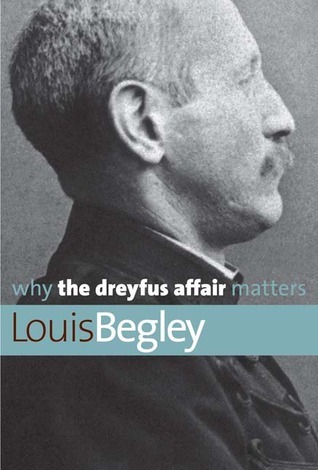
Why the Dreyfus Affair Matters
Book Description
A man wrongly accused, a nation divided, and a scandal that shook the foundations of justice. Louis Begley unveils the Dreyfus Affair as a whirlwind of intrigue, betrayal, and fervent nationalism. As Alfred Dreyfus, a Jewish army officer, faces a relentless tide of anti-Semitism, the courtroom becomes a battleground for truth and honor. Vividly illustrated, this gripping exploration reveals how one individual’s plight transformed societal landscapes and ignited a fight for human rights that resonates to this day. What does the fate of a single man reveal about the darker aspects of humanity’s struggle for justice?
Quick Book Summary
"Why the Dreyfus Affair Matters" by Louis Begley offers a penetrating exploration of one of the most significant political scandals in modern European history. Begley unpacks the infamous accusation and wrongful conviction of Alfred Dreyfus, a Jewish officer in the French army, for treason in 1894. Set against a backdrop of rising nationalism and deep-seated anti-Semitism, the affair reveals how prejudice, institutional failings, and public opinion can conspire to undermine justice. Begley connects these historical events to contemporary issues, urging readers to recognize the Dreyfus Affair’s lasting impact on human rights, justice, and the dangers of scapegoating minorities. The book is both a historical deep dive and a meditation on the continuous relevance of vigilance against intolerance.



Summary of Key Ideas
Table of Contents
The Corrosive Power of Anti-Semitism
Alfred Dreyfus, a promising Jewish officer in the French army, became the center of a storm in 1894 when he was falsely accused and convicted of espionage. The case against him, lacking substantive evidence, illustrated how deep-rooted anti-Semitic attitudes within French society and its institutions could pervert the course of justice. Dreyfus’s ordeal became a national spectacle, exposing how easily a modern state could betray its professed ideals of equality and fairness.
Institutional Injustices and the Collapse of Justice
The handling of the case by the French military and judiciary laid bare a widespread institutional rot. Officials suppressed exonerating evidence and manipulated legal rules to prevent the truth from emerging. Begley demonstrates how justice systems, when infiltrated by prejudice or unwilling to admit error, can become agents of injustice rather than its remedy. The affair epitomized the disproportionate power of institutions over the individual, particularly those already marginalized.
The Role of Intellectuals and the Press
Public intellectuals and the growing influence of the press played a crucial role in the eventual overturning of the verdict. The novelist Émile Zola’s famous open letter, "J’Accuse…!", galvanized public discourse and framed the affair as a broader struggle over the soul of the republic. Begley elucidates how the affair ignited fierce debates about national identity, the responsibilities of citizenship, and the need for moral courage in the face of mass hysteria.
Human Rights and the Individual Versus the State
Begley connects the legacy of the Dreyfus Affair to the evolution of human rights concepts in Europe. The ordeal’s exposure of institutional failings and societal bigotry spurred reforms and influenced future debates on the protection of minority rights and the imperative for an independent judiciary. The author points out the affair’s role in shaping modern understandings of state accountability and individual rights.
Lessons for Modern Societies
The book ultimately serves as a warning for contemporary societies. Begley draws parallels to modern instances of scapegoating, wrongful convictions, and the resurgence of ethnic and religious nationalism. The Dreyfus Affair is thus presented as both singular and universal: a reminder that the struggle for justice and vigilance against hate are perpetual endeavors, essential to the health of any democracy.
Download This Summary
Get a free PDF of this summary instantly — no email required.