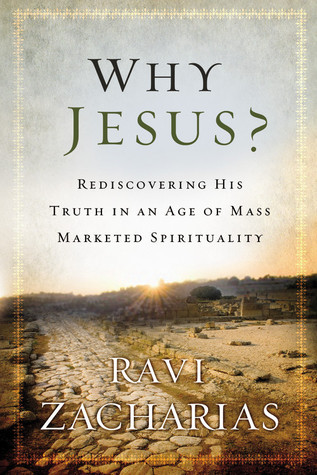
Why Jesus?: Rediscovering His Truth in an Age of Mass Marketed Spirituality
Book Description
In a world drowning in spiritual trends and empty promises, the quest for truth has never felt more urgent. “Why Jesus?” cuts through the noise, presenting a compelling case for the one figure who challenges the very essence of belief and meaning. Ravi Zacharias embarks on a thought-provoking journey, unraveling the stark contrast between mass-marketed spirituality and the radical, transformative message of Christ. With insights that ignite the soul and confront the heart, this book beckons the weary to reassess their path. Are we ready to embrace a faith that could redefine our lives?
Quick Book Summary
"Why Jesus?: Rediscovering His Truth in an Age of Mass Marketed Spirituality" explores the nature of modern spiritual trends and their allure, contrasting them against the distinctive claims and message of Jesus Christ. Ravi Zacharias argues that in a marketplace saturated with self-help philosophies, Eastern mysticism, and consumer-driven spirituality, the original message of Jesus stands as a revolutionary alternative—offering both truth and transformation. Through critical examination, Zacharias exposes the shortcomings of popular spiritual movements and highlights how the teachings of Jesus address humanity’s deepest questions about purpose, morality, and destiny. The book offers a thoughtful invitation to look past superficial spiritual fads and rediscover the enduring relevance and power found in the person and message of Christ.





Summary of Key Ideas
Table of Contents
The Appeal and Limitations of Modern Spiritual Trends
Contemporary culture is awash with spiritual options that promise fulfillment and enlightenment, often packaged for easy consumption. Zacharias begins by dissecting why these mass-marketed spiritualities—ranging from New Age practices to self-help ideologies—have such widespread appeal. He notes that they offer a sense of autonomy and control, tailor spirituality to personal preferences, and often guarantee quick, non-committal paths to happiness. However, Zacharias argues that these trends fail to address life’s deeper complexities and rarely provide lasting answers to the human need for truth and purpose.
The Unique Claims of Jesus
Zacharias then turns to the figure of Jesus, emphasizing his unique claims in the religious landscape. Rather than simply teaching a philosophy or advocating a set of practices, Jesus presents himself as the truth incarnate—a direct and exclusive claim that runs counter to the relativism pervasive in modern spirituality. Zacharias underlines that Jesus’ message was revolutionary because it confronted both personal and societal brokenness, invited individuals into a transformative relationship, and set an unyielding standard for truth and morality.
Truth Versus Subjective Experience
The author contrasts truth with subjective experience, highlighting the pitfalls of confusing personal feelings for ultimate reality. Mass-marketed spiritualities often validate experiences without questioning their connection to objective truth. Zacharias insists that genuine spiritual transformation must be rooted in what is real, rather than simply what feels good or appears meaningful in the moment. He argues that Christianity offers a rational and historically anchored answer to life’s ultimate questions, rather than fleeting emotional highs.
The Challenge of Consumer Spirituality
Consumer spirituality is critiqued as a commodification of faith that reduces profound questions to marketable soundbites. Zacharias demonstrates how such an approach undermines genuine discipleship and deep understanding. Rather than offering answers, consumer spirituality encourages the perpetual shopping of ideas without commitment or self-examination. Zacharias encourages readers to recognize this superficiality and seek more substantial, historically grounded beliefs that can withstand scrutiny and foster true change.
Transformation Through the Message of Christ
Finally, the book explores the transformation available through embracing the message of Christ. Rather than pursuing customizable spiritual experiences, Zacharias contends that submitting to the truth of Jesus leads to holistic personal change—morally, intellectually, and spiritually. He calls readers to rediscover the radical invitation of Jesus, which transcends mere religion and provides a compelling and comprehensive answer to the deepest questions of life. The book closes with a challenge to embrace authentic faith over superficial trends, finding hope and purpose in Christ alone.
Download This Summary
Get a free PDF of this summary instantly — no email required.