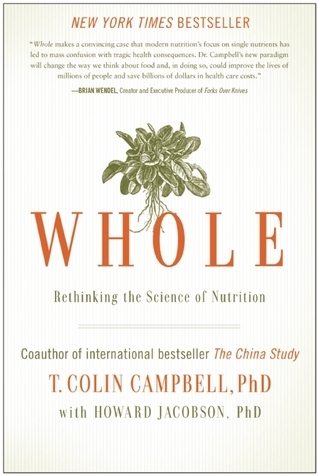
Whole: Rethinking the Science of Nutrition
Book Description
What if everything you thought you knew about nutrition was wrong? T. Colin Campbell dares to challenge the status quo, peeling back the layers of dietary myths that have long dominated our understanding of health. With riveting insights from groundbreaking research, Campbell reveals how a whole-food, plant-based diet can transform health, defy disease, and ultimately reshape lives. As the evidence unfolds, questions arise: Are we truly nourishing ourselves, or merely surviving? This eye-opening journey into the heart of nutrition invites a radical rethink—are you ready to embrace a new perspective on what it means to eat well?
Quick Book Summary
"Whole: Rethinking the Science of Nutrition" by T. Colin Campbell challenges conventional wisdom about diet and health. Drawing on decades of nutrition research, Campbell criticizes the reductionist approach that focuses on isolated nutrients and instead advocates for understanding food and health holistically. He contends that the "whole food, plant-based" diet is vastly superior for preventing and even reversing chronic diseases like heart disease, diabetes, and cancer. Campbell explores how powerful industry and institutional interests shape current dietary guidelines, often at odds with the best scientific evidence. The book empowers readers to distinguish between marketing and genuine science, urging a comprehensive reevaluation of how we eat and what really nourishes us. It invites readers to shift from fragmented thinking to an integrative approach that views food, body, and health as interconnected.



Summary of Key Ideas
Table of Contents
The Limits of Nutritional Reductionism
T. Colin Campbell begins by exposing the inherent weaknesses of nutritional reductionism, a scientific practice that seeks to isolate single nutrients and study their impact independently of other components in food. According to Campbell, this practice distorts our understanding of health and nutrition, leading to misguided dietary recommendations. He explains that the complexity inherent in whole foods is far greater than the sum of their parts, and isolating nutrients ignores important synergistic effects that promote true health.
The Power of Whole Foods
The cornerstone of Campbell's argument is the superior power of whole, plant-based foods to promote health and prevent chronic disease. Drawing on extensive epidemiological and clinical research, notably from "The China Study," Campbell demonstrates how populations consuming diverse, minimally-processed plant foods have lower rates of heart disease, cancer, and diabetes. He debunks popular fads and supplements, showing that real health benefits come from dietary patterns focused on natural, unrefined foods rather than isolated vitamins or macronutrients.
Disease Prevention Through Plant-Based Diets
One of the central messages in the book is how a shift to a whole-food, plant-based diet can not only prevent but often reverse chronic illnesses. Campbell presents compelling clinical evidence of patients recovering from diseases deemed irreversible by traditional medicine. He argues that animal-based and highly processed diets are major contributors to the modern epidemic of lifestyle-related illnesses, advocating instead for a diet rich in vegetables, fruits, grains, and legumes for long-term wellness.
Institutional Barriers and Food Industry Influence
Campbell explores the significant barriers preventing widespread adoption of optimal nutritional principles. Powerful food industry interests, entrenched institutional policies, and outdated medical paradigms have created a system resistant to holistic dietary change. The book uncovers how policy, economic incentives, and scientific funding too often prioritize profit over public health, muddying the message on what truly constitutes healthy eating.
A Holistic Vision of Health
Ultimately, Campbell calls for a radical rethink—a holistic model of nutrition and health that transcends piecemeal fixes and reductionist science. He urges readers to view food as a complex system, leveraging the innate wisdom of whole foods to support the body’s natural healing capabilities. The book ends by encouraging individuals and the health community to approach nutrition not merely to survive, but to thrive, by embracing interconnectedness at every level.
Download This Summary
Get a free PDF of this summary instantly — no email required.