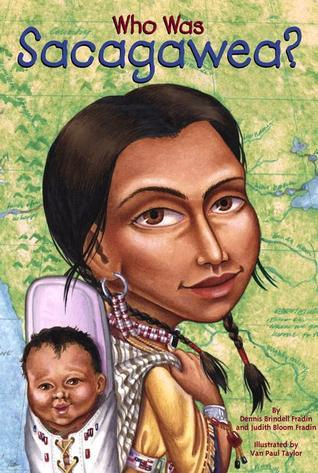
Who Was Sacagawea?
Book Description
A fearless girl braves the unknown, her spirit ignited by a quest of monumental proportions. Sacagawea, a Native American woman, faces treacherous landscapes, cultural clashes, and the weight of destiny as she guides the legendary Lewis and Clark expedition through uncharted territories. With each step, she defies the odds, showcasing resilience and ingenuity against daunting challenges that would silence many. As she navigates rugged wilderness and unexpected alliances, the question looms: how will her courage shape the future of a nation discovering its identity? Discover the incredible journey of the woman who became both a symbol and a legend.
Quick Book Summary
"Who Was Sacagawea?" by Judith Bloom Fradin introduces readers to the extraordinary life of Sacagawea, a Shoshone woman who became an indispensable member of the famed Lewis and Clark Expedition. Through clear storytelling suitable for young readers, the biography details Sacagawea’s early childhood, her capture and life among different tribes, and her crucial role as interpreter and guide during the Corps of Discovery's journey. Despite incredible hardships—including the challenges of motherhood on the trail—Sacagawea displays resilience, adaptability, and courage. The book highlights not only the perils and wonders of early American exploration but also the often-overlooked contributions of Native Americans to American history. Sacagawea’s legacy is explored as that of a woman bridging cultures and helping shape the destiny of a growing nation.




Summary of Key Ideas
Table of Contents
Bravery in the Face of Hardship
Sacagawea’s early years were marked by upheaval and adaptation. Born to the Shoshone tribe, her childhood took a dramatic turn when she was kidnapped by Hidatsa raiders and eventually traded to a French Canadian trapper, Toussaint Charbonneau. Despite being taken far from home and family at a young age, Sacagawea learned the customs, languages, and survival skills necessary to live among different peoples. These formative years equipped her with unique abilities that would become invaluable during the Lewis and Clark Expedition. Her experiences navigating shifting cultures and environments shaped her into a resilient and resourceful individual.
Bridging Cultural Divides
When the ambitious Corps of Discovery, led by Meriwether Lewis and William Clark, arrived in the territory, they sought out Charbonneau and enlisted Sacagawea’s aid as interpreter. Joined by her infant son, Sacagawea journeyed into the unknown alongside the expedition. Her knowledge of the land helped guide the explorers through arduous terrain, from raging rivers to snow-capped mountains. Sacagawea’s ability to communicate with various tribes not only secured vital supplies and horses for the group but also eased tense interactions, demonstrating the power of cultural understanding in life-or-death situations.
Resilience and Adaptability
Throughout the journey, Sacagawea faced dangers not just from the landscape but from the challenges of motherhood as she cared for her newborn, Jean Baptiste, in wilderness conditions. Her adaptability allowed her to carry out her roles as translator, navigator, and peacemaker while coping with illness, exhaustion, and the unpredictable nature of the expedition. Sacagawea consistently proved her value, whether by saving important documents and supplies when a boat capsized or by helping map the terrain. Her actions, sometimes understated, had monumental impact on the expedition’s success.
The Impact of Ordinary Actions on History
Sacagawea’s life underscores the profound effect ordinary people can have on monumental events. Though not originally recognized as a formal leader, her contributions changed the course of American exploration. Through small daily acts of bravery—finding edible plants, mending relationships, enduring hardship—she became a symbol of perseverance. Sacagawea’s legacy extends far beyond the expedition; she reminds us that courage and resourcefulness can shape the direction of history and inspire generations to come.
Recognizing Native American Contributions
The book also addresses the broader theme of recognizing Native American contributions to American history. Sacagawea’s story offers young readers a vital connection to the diverse heritage of the United States, emphasizing that the nation’s identity was forged by many voices and perspectives. By highlighting her achievements, "Who Was Sacagawea?" challenges simplified historical narratives and encourages appreciation for the often-marginalized heroes whose actions altered the course of a young country.
Download This Summary
Get a free PDF of this summary instantly — no email required.