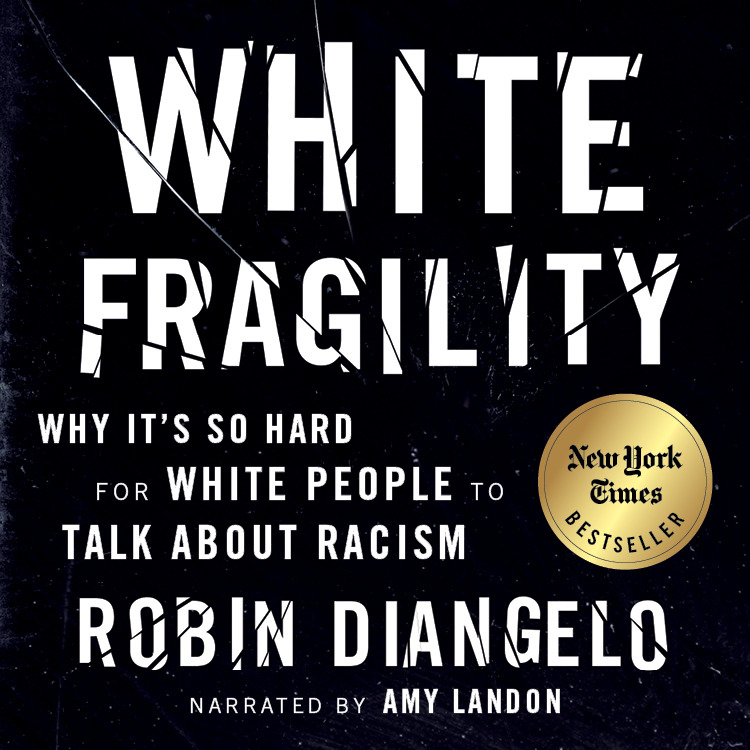
White Fragility: Why It's So Hard for White People to Talk About Racism
Book Description
Trapped in a cycle of discomfort, many white people recoil from conversations about racism. **White Fragility** unveils the hidden barriers that block honest dialogue, showing how societal norms protect white comfort over truth. With compelling insights and sharp observations, DiAngelo dissects the emotional triggers that deter meaningful discussions, revealing the urgent need for greater awareness and accountability. As the stakes rise, the book challenges readers to confront uncomfortable truths and confront their own complicity. What happens when the very foundation of identity is questioned in the pursuit of justice?
Quick Book Summary
"White Fragility: Why It's So Hard for White People to Talk About Racism" by Robin DiAngelo explores the defensive reactions many white people exhibit when confronted with issues of race and racism. The author, drawing on her experience as an anti-racist educator, argues that white fragility is a product of socialization and the cultural dominance of whiteness, leading to discomfort, denial, and resistance in conversations about racism. DiAngelo analyzes how societal structures maintain white comfort and privilege, often at the expense of productive dialogue. She challenges readers to move beyond defensiveness, recognize the broader systems at play, and take responsibility for fostering more honest and constructive discussions about race. The book ultimately urges white readers to examine their roles in perpetuating racism and to adopt a more active stance in the pursuit of racial justice.





Summary of Key Ideas
Table of Contents
Understanding White Fragility and Its Roots
DiAngelo begins by defining white fragility as the defensive responses white people often exhibit when their racial views, privilege, or complicity in racism are challenged. She attributes this fragility to a historically insular environment wherein white people have been minimally exposed to racial discomfort, leading to low stamina for race-based stress. The book argues this fragility upholds the racial status quo by shutting down necessary conversations and preventing acknowledgment of systemic racism.
The Role of Socialization and White Supremacy
Next, the book explores the role of socialization in developing white fragility. DiAngelo explains how white supremacy operates not just as overt hatred, but as a societal framework that elevates white experience as the norm. From an early age, white people learn to see themselves as individuals rather than members of a racial group, shielding them from critical self-examination. These social patterns foster a worldview that unconsciously reinforces white dominance and center white comfort.
Common Defensive Moves in Racial Dialogues
DiAngelo details the typical defensive strategies employed by white people during discussions about race. These include anger, denial, silence, withdrawal, or emphasizing individual innocence. Such strategies are described as "moves to innocence"—tactics that deflect responsibility and recentralize white feelings. By reacting defensively, white participants derail conversations, making racial issues more about their discomfort than about the experiences of those affected by racism.
Discomfort as a Pathway to Growth
The author argues that experiencing discomfort is essential for personal and societal growth. Rather than seeing discomfort as a threat, DiAngelo suggests it is a necessary component of the learning process. She calls on white readers to recognize that discomfort signals the collapse of long-held beliefs and should prompt deeper reflection rather than defensiveness. Embracing this discomfort allows for genuine engagement and transformation.
Building Accountability and Anti-Racist Action
Finally, DiAngelo emphasizes the need for accountability and sustainable anti-racist practices. She encourages readers to acknowledge complicity in systemic racism, listen with humility, and be willing to make mistakes as they learn. The book provides practical suggestions for moving beyond fragile reactions, such as seeking feedback, engaging in ongoing self-education, and supporting racial justice efforts. In doing so, DiAngelo highlights that dismantling white fragility is a critical step toward building equitable relationships and a more just world.
Download This Summary
Get a free PDF of this summary instantly — no email required.