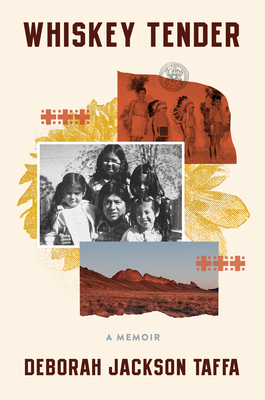
Whiskey Tender: A Memoir
Book Description
Love and loss collide in the heart of the whiskey-soaked South, where the clink of glass echoes the fragility of human connections. Deborah Jackson Taffa paints a vivid portrait of resilience, diving deep into a world of family ties, personal demons, and the intoxicating dance between passion and pain. As secrets simmer and relationships fracture, moments of clarity emerge in the hazy glow of barroom conversations. This memoir is a raw exploration of what it means to hold on and let go, capturing the bittersweet essence of healing. Can true love survive the weight of heartache?
Quick Book Summary
"Whiskey Tender: A Memoir" by Deborah Jackson Taffa is a poignant exploration of family, identity, and the complexities of being Indigenous in the American South. Through evocative storytelling set against the backdrop of whiskey bars and fractured family ties, Taffa reveals how personal and cultural histories shape our present realities. The memoir intricately weaves together themes of love and loss, addiction and healing, and the enduring search for belonging. Taffa grapples with family secrets and inherited trauma, while barroom conversations become moments of both clarity and confusion. Ultimately, "Whiskey Tender" is a journey of resilience, demonstrating how confronting pain can lead to profound healing and self-discovery.






Summary of Key Ideas
Table of Contents
Family Legacy and Intergenerational Trauma
At the core of "Whiskey Tender" is the profoundly complicated inheritance of family legacy and trauma. Deborah Jackson Taffa paints her family’s history with raw honesty, recounting generations marked by both love and hardship. She explores how the weight of the past—stories, secrets, and unresolved pain—affects her present life. The clink of glasses in smoky bars serves as a metaphor for the delicate, sometimes fractured, connections between family members, each interaction layered with unspoken histories and collective wounds.
The Struggle of Identity and Belonging
Taffa’s memoir is also a powerful examination of identity and the struggle to belong. As an Indigenous woman in the South, she navigates the pressures of fitting into spaces that often misunderstand or erase Native American experiences. These tensions emerge in her day-to-day interactions, both within her family and with the outside world. Taffa seeks authenticity while contending with stereotypes and societal expectations, ultimately carving a place for herself by reclaiming her narrative and embracing her roots.
Addiction, Healing, and Coping Mechanisms
Addiction plays a significant role in the memoir, serving as both a destructive force and a catalyst for healing. Whiskey and barrooms provide the setting for much of Taffa’s introspection. She confronts her own coping mechanisms and those she has inherited, recognizing the ways substances become substitutes for dealing with pain. Through this lens, the memoir explores the difficulties of breaking cycles of addiction, while also highlighting the moments of clarity that spark change and resilience.
The Dynamics of Love, Loss, and Forgiveness
Love, loss, and forgiveness intertwine throughout Taffa’s journey. Relationships with family, friends, and romantic partners are tested by secrets and betrayals. Moments of passion are shadowed by heartbreak, yet within the haze of difficult conversations, Taffa finds space for forgiveness and growth. The depiction of these relationships is nuanced—love is shown not as something simple or redemptive on its own, but as a process that requires confronting painful truths and letting go of past hurts.
Cultural Heritage and Personal Growth
Steeped in cultural heritage, the memoir ultimately celebrates personal growth and healing. Taffa’s journey is one of self-discovery, as she learns to balance the weight of her history with the promise of her future. Through storytelling, she reclaims agency, transforming vulnerability into strength. The memoir concludes with a sense of hopeful resilience—affirming that recovery is possible, identity is powerful, and the bonds of family, while sometimes fragile, can offer a foundation for healing and moving forward.
Download This Summary
Get a free PDF of this summary instantly — no email required.