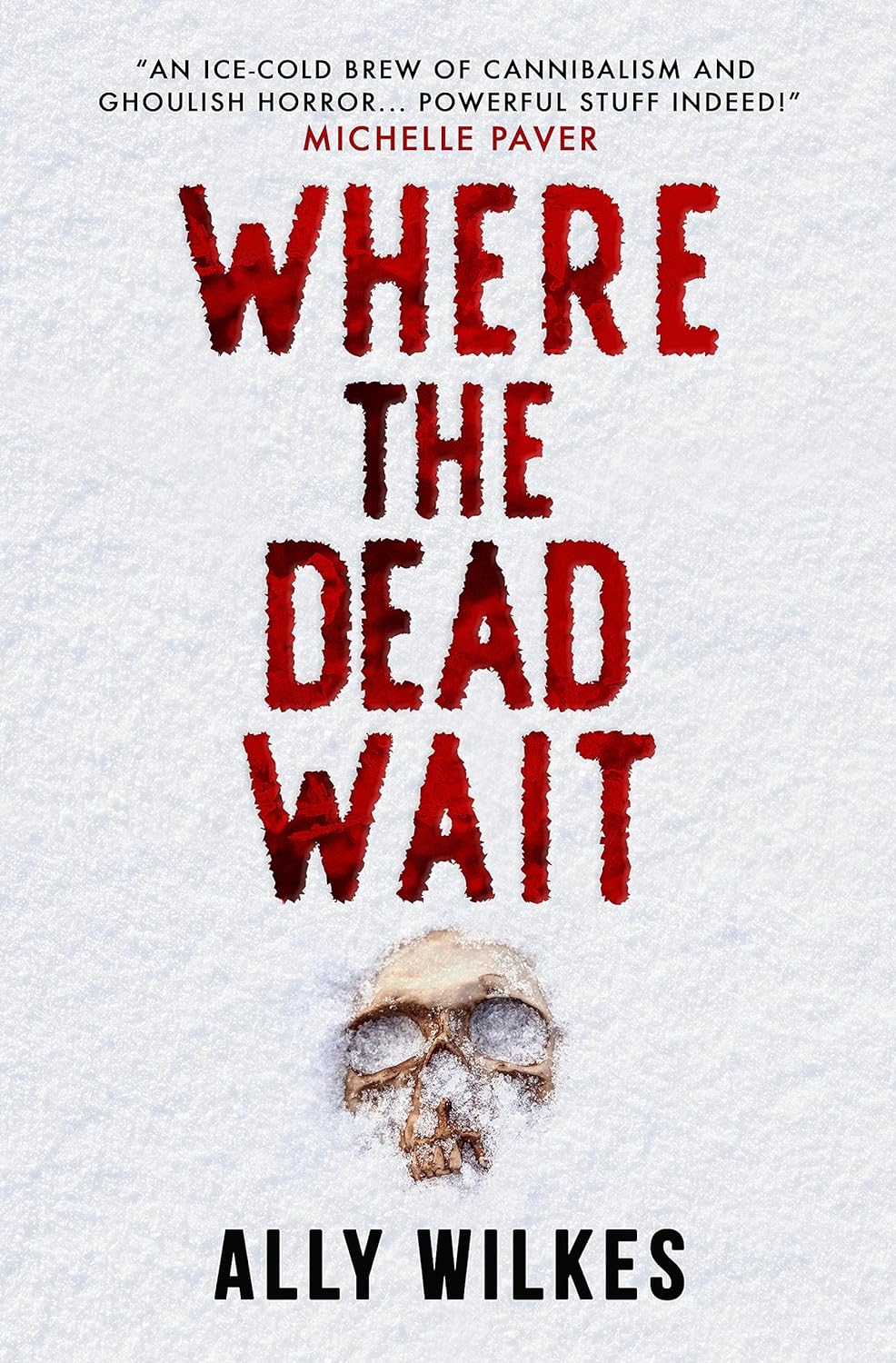
Where the Dead Wait
Book Description
Amidst the unforgiving landscape of a post-apocalyptic world, survival hinges on the fragile bonds of trust. In "Where the Dead Wait," a fierce struggle unfolds as the remnants of humanity confront threats both visible and unseen. Alliances form, betrayal lurks in the shadows, and secrets unravel in the fight for hope. As a group grapples with anguish and determination, their every choice could mean life or death. With each page, the tension escalates, leaving hearts racing and minds racing. Can they transcend the darkness, or will they succumb to the echoes of the past?
Quick Book Summary
"Where the Dead Wait" by Ally Wilkes is a haunting and atmospheric gothic horror set in a devastated, post-apocalyptic world. Humanity’s few survivors are forced to reckon with not only hostile landscapes and dwindling resources, but also the terror that manifests both externally and within themselves. At the story’s core is a desperate group bound by frail alliances. Their journey is fraught with mistrust, chilling betrayals, and whispers of secrets that relentlessly unravel as the stakes rise. Wilkes masterfully delves into the psychological horrors alongside visceral threats, immersing readers in a world where every decision could mean life or death. The novel’s tension is maintained to the final page as survivors are challenged to transcend their darkest histories and find hope—or risk being consumed by the relentless shadows of the past.



Summary of Key Ideas
Table of Contents
Survival and the Ethics of Trust
Set against the backdrop of a ruinous, post-apocalyptic landscape, "Where the Dead Wait" introduces a world bereft of order and rife with danger. The natural world is as much an antagonist as any human enemy, from the merciless elements to scavenging threats. Survival is punishing, demanding both physical resilience and cunning. The story follows a disparate group of survivors whose fates converge, forcing them into uneasy cooperation. They must navigate treacherous environments while rationing meager supplies, their struggle highlighting the resourcefulness—and desperation—born from a world undone.
The Devastation of the Post-Apocalyptic World
Central to the narrative is the fragile web of trust between the survivors. As they journey together, their bonds are continuously tested by both external threats and personal demons. Fear of betrayal permeates every interaction, creating a tense atmosphere punctuated by sudden violence or fraying alliances. Wilkes explores the dark edges of human nature under duress, illustrating how survival confronts individuals with impossible choices. The ethical dilemma of trusting others in a world with so little left to lose heightens the suspense and emotional stakes.
Secrets, Betrayal, and Human Nature
Layered throughout the novel are secrets—some ancient, others freshly formed—that threaten to shatter the group from within. The revelations are meted out gradually, each casting previous choices and loyalties in a new light. This unraveling of truth propels the plot and adds psychological depth, as characters grapple not only with monstrous threats but their own guilt and remorse. Alliances are shaky, and betrayal can come from unexpected places, underscoring the novel’s relentless uncertainty.
Hope and Despair Amid Gothic Horror
At its heart, the novel balances the omnipresence of horror—both supernatural and psychological—with flickers of hope. The gothic undertones are ever-present: ghosts of the past seem to haunt both the devastated land and its haunted inhabitants. Characters face not only the physical dangers of the world but also their own inner darkness. Moments of solidarity, compassion, or sacrifice shine through the gloom, offering a fragile sense of possibility even amidst despair.
Confronting the Past to Shape the Future
Ultimately, the survivors must confront not just their present hardships, but the echoes of history and trauma that shape their choices. By wrestling with their personal demons and making peace with the past, they determine whether their future will be dominated by fear or by the hope of something better. Wilkes crafts a chilling meditation on endurance, redemption, and the question of whether humanity can prevail when the world seems intent on its destruction.
Download This Summary
Get a free PDF of this summary instantly — no email required.