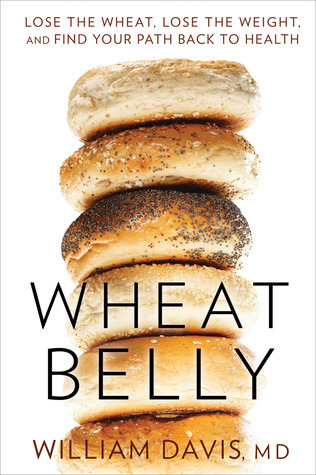
Wheat Belly: Lose the Wheat, Lose the Weight, and Find Your Path Back to Health
Book Description
Imagine a world where the seemingly innocent grain could be the root of escalating health issues. Dive into "Wheat Belly," where William Davis unpacks the hidden dangers of wheat that have infiltrated daily diets. Shocking insights reveal how this common staple contributes to obesity, diabetes, and a myriad of health woes, while offering a powerful, transformative path to reclaim vitality and wellness. With compelling evidence and real-life success stories, the journey from wheat-addicted to wheat-free unfolds with vivid clarity. Can you envision a healthier, lighter version of yourself, free from the shackles of modern grains?
Quick Book Summary
In "Wheat Belly," Dr. William Davis challenges the widespread belief that wheat is a wholesome staple food, arguing that it is a primary driver of health problems in modern society. He explains how wheat has been genetically modified over the decades, fundamentally altering its effects on the human body. By linking wheat consumption to obesity, diabetes, heart disease, and inflammation, Davis presents compelling scientific evidence and patient stories to highlight its detrimental impact. He advocates for eliminating wheat from the diet, providing practical guidance for transitioning to a wheat-free lifestyle. The book promises not only weight loss but improvements in overall health, increased energy, mental clarity, and relief from chronic conditions, inviting readers to reclaim their wellness by breaking free from wheat.



Summary of Key Ideas
Table of Contents
The Hidden Dangers of Modern Wheat
Dr. William Davis opens "Wheat Belly" by revealing that the wheat eaten today bears little resemblance to its ancient ancestors. Modern wheat has been genetically manipulated for yield and resilience, which, according to Davis, has significantly altered its nutritional profile and biological effects. He explores how these changes might be responsible for a sharp increase in chronic health issues, positioning wheat as a likely culprit behind the obesity epidemic and rising rates of type 2 diabetes.
Wheat as a Driver of Obesity and Chronic Disease
The book carefully dissects the physiological ways that wheat damages health, emphasizing its unique carbohydrate called amylopectin A, which causes rapid spikes in blood sugar. Davis explains how the repeated surges of blood sugar and insulin lead to fat storage, especially around the abdomen—hence the term “wheat belly.” Wheat also contains gliadin, a protein that may stimulate appetite and addictive eating behaviors, further compounding weight gain and metabolic disturbances.
The Science of Wheat’s Impact on the Body
Davis presents a wide array of scientific studies linking wheat consumption to inflammation, autoimmune disorders such as celiac disease and rheumatoid arthritis, and even mood and neurological conditions. He identifies modern wheat’s role in triggering systemic inflammation, intestinal distress, and immune overactivity, painting a comprehensive picture of wheat as a pervasive source of modern ailments. The evidence is not only biochemical but also illustrated through the author’s clinical practice with patients.
Strategies for Transitioning to a Wheat-Free Lifestyle
Drawing on real-life stories, Davis demonstrates the profound improvement in quality of life experienced by those who eliminate wheat. Readers are introduced to individuals who reverse diabetes, lose substantial weight, and resolve chronic pain by embracing a wheat-free lifestyle. These narratives are used to reinforce the practical benefits of following Davis's advice and to inspire readers contemplating similar change.
Transformative Results and Success Stories
The last part of the book provides actionable guidance for readers seeking to remove wheat from their lives. Davis lays out practical strategies for identifying and avoiding wheat-containing foods, dealing with cravings, and substituting with healthier alternatives. He includes meal planning tips and wheat-free recipes, making the transition less daunting. Ultimately, Davis encourages a holistic reevaluation of diet, advocating for a return to whole, unprocessed foods as the cornerstone of vibrant health.
Download This Summary
Get a free PDF of this summary instantly — no email required.