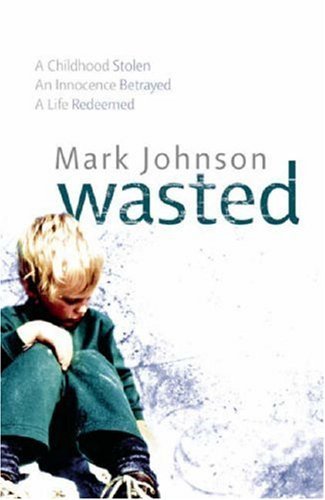
Wasted
Book Description
Hope and despair collide in a gritty landscape where dreams are traded for fleeting highs. A young man, desperate to escape his suffocating reality, spirals into a world of addiction that threatens to consume him utterly. As he grapples with betrayal, love, and the haunting pull of his past, fragile alliances form and shatter amid the chaos. Each choice pushes him closer to a haunting reckoning, where salvation feels just out of reach. Can he claw back from the brink, or will he be forever lost in the shadowy depths of his own making?
Quick Book Summary
"Wasted" by Mark Johnson is a raw memoir chronicling his tumultuous journey through addiction, betrayal, hope, and redemption. Growing up in a bleak environment, Johnson is constantly searching for an escape, which he finds in drugs—but the solace proves temporary, leading to a downward spiral that costs him friends, family, and his own sense of self. The book explores the harrowing realities of substance abuse while painting an unflinching portrait of the emotional chaos, broken relationships, and cycles of despair that characterize addiction. Yet, amid the darkness, rays of hope emerge as Johnson confronts the pain of his past and the hard work of recovery, inviting readers to witness not only the tragedy of addiction but also the possibility of change.



Summary of Key Ideas
Table of Contents
The cycle of addiction and self-destruction
Mark Johnson’s memoir opens against a stark landscape marked by deprivation, instability, and emotional turbulence. From a young age, Johnson feels trapped within his circumstances, longing to escape the confines of his troubled family life and impoverished neighborhood. He is exposed early to substance abuse—both around him and eventually within himself—creating the foundation for his own struggles with addiction. The environment is portrayed not just as a backdrop but as a powerful force that shapes his worldview and decisions, instilling feelings of alienation and hopelessness that later feed his dependency.
The impact of environment and family dynamics
As Johnson’s involvement with drugs intensifies, so too does the cycle of self-destruction. He leverages substances as an emotional crutch to drown out pain and trauma, but each high inevitably gives way to deeper lows. Alongside the physical and psychological tolls, Johnson navigates betrayal from friends and family, as trust erodes and relationships fracture under the weight of his addiction. The memoir details the lies told, opportunities squandered, and bridges burned, painting a candid portrait of the collateral damage addiction inflicts not only on Johnson but also on everyone around him.
Redemption through vulnerability and self-awareness
Despite the darkness, instances of vulnerability and insight punctuate Johnson’s journey. Encounters with compassionate social workers, fleeting romantic connections, and moments of clarity serve as catalysts for self-reflection. He is repeatedly confronted with the consequences of his actions, prompting questions about self-worth and the possibility of change. These hard-won insights are portrayed as fragile yet vital turning points, revealing the inner strength required to move toward healing—though recovery is depicted as neither linear nor guaranteed.
Isolation versus the need for human connection
Throughout the memoir, themes of isolation play out in contrast with the desperate need for human connection. Johnson grapples with loneliness apparent in his deepest moments of addiction, yet recognizes the importance of empathy and support on the road to recovery. The narrative explores the push-and-pull between self-imposed solitude and the healing potential of honest relationships, portraying recovery as a communal as much as an individual endeavor.
The fragile hope of recovery
The memoir closes on a note of cautious optimism. Johnson acknowledges the enduring nature of addiction and the ever-present risk of relapse, yet underscores the fragile hope he’s painstakingly cultivated. By owning his story—its betrayals, regrets, and triumphs—he offers a testament to the resilience of the human spirit, suggesting that even in life’s shadowiest depths, the possibility of redemption persists.
Download This Summary
Get a free PDF of this summary instantly — no email required.