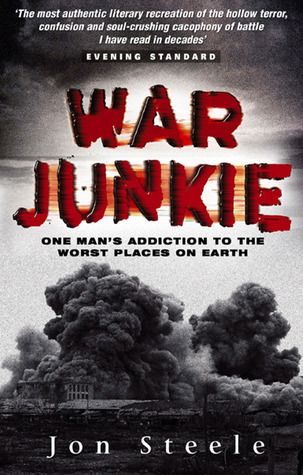
War Junkie: One Man's Addiction to the Worst Places on Earth
Book Description
From the war-torn streets of Baghdad to the perilous jungles of Congo, one man's insatiable thirst for danger ignites a thrilling odyssey through the globe’s most chaotic regions. Jon Steele unravels the gut-wrenching realities of conflict, revealing the highs and lows of an existence driven by adrenaline and a haunting sense of purpose. This captivating memoir dives deep into the heart of humanity's darkest moments, exploring courage, sacrifice, and the sheer strength of the human spirit against the backdrop of chaos. What compels a man to chase destruction, and what truth does he find in the wreckage?
Quick Book Summary
"War Junkie" is Jon Steele’s raw and unflinching memoir chronicling his years as a journalist in the world’s most dangerous war zones. Steele provides an intimate glimpse into the psychological allure and devastating consequences of life on the edge, propelled by a compulsion to witness history’s darkest moments firsthand. Moving through conflict-ridden landscapes such as Baghdad and Congo, he captures not only the chaos of war but also its strange seduction and relentless grip on those who cover it. The memoir delves into the emotional toll, addictive adrenaline rush, and the paradoxical sense of purpose found amongst devastation. Ultimately, "War Junkie" is as much a testimony to personal survival as it is a reckoning with the universal costs of war—on civilians, combatants, and the journalists driven to tell their stories.



Summary of Key Ideas
Table of Contents
The Addictive Nature of Conflict Zones
Jon Steele’s journey into the heart of modern conflict begins with a confession: war zones elicit a powerful, almost narcotic pull that renders ordinary life unbearable. Steele recounts his initial assignments, revealing how exposure to violence and catastrophe became not only his professional calling but an existential dependency. The adrenaline rush and perceived importance of bearing witness solidify his identity as a war correspondent, even as the risks multiply with each new assignment.
Moral Ambiguity and Purpose in War Journalism
The book explores the moral ambiguities faced by journalists covering war. Steele candidly examines the ethical tightrope between objectivity and empathy, describing dispatches from Gaza, Kosovo, and other hotspots where neutrality is often challenged by overwhelming human suffering. He grapples with his own complicity in the machinery of conflict journalism, questioning the effects of turning tragedy into spectacle and the responsibility borne by those who bring these stories to the world.
Psychological and Emotional Costs of Reporting
Steele’s candor extends to his internal struggles—the price exacted by perpetual proximity to trauma. Sleeplessness, paranoia, and emotional numbness become familiar companions. The psychological scars grow deeper as friends and colleagues are injured or killed, and Steele describes the gradual erosion of his mental health. Despite these costs, the compulsion to return persists, evidence of both dedication and dependency.
Resilience and Breaking Points in Chaos
Between danger and devastation, fleeting moments of hope and resilience emerge. Steele highlights the courage of civilians, aid workers, and even fellow journalists who find ways to endure and help others amidst chaos. These encounters offer shafts of light, reminding him—and readers—of the indomitable human spirit, even where violence reigns. Yet such moments are always fragile, threatened by the next explosion or atrocity.
The Search for Meaning Amidst Destruction
Steele concludes by reflecting on the profound questions raised by his experiences. He confronts the truths uncovered within war’s ruins: the fragility of life, the importance of bearing witness, and the limits of personal endurance. Ultimately, "War Junkie" presents both a warning and a tribute to those compelled by darkness and driven by the hope of illuminating it for others.
Download This Summary
Get a free PDF of this summary instantly — no email required.