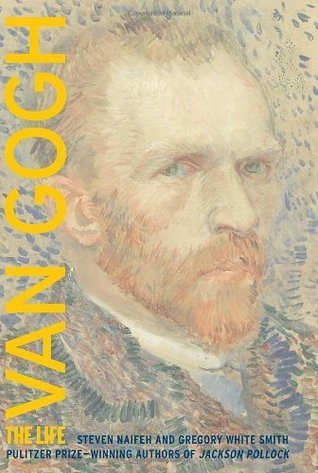
Van Gogh: The Life
Book Description
A tormented genius, driven by passion yet haunted by despair, paints a world bursting with color from the confines of his troubled mind. "Van Gogh: The Life" unfurls the intense drama of Vincent’s short, explosive existence through vivid storytelling and meticulous research. It reveals the agony of unrecognized talent, the depth of unrequited love, and the relentless pursuit of beauty against all odds. Each brushstroke becomes a heartbeat as the narrative dives into the relationships that shaped him, thrill and heartbreak entwined. Can the brilliance of one man’s art illuminate the shadows of his soul?
Quick Book Summary
"Van Gogh: The Life" by Steven Naifeh provides an exhaustive portrait of Vincent van Gogh, chronicling the tumultuous journey of one of art's most iconic yet misunderstood figures. The biography interweaves Van Gogh’s artistic evolution with the painful realities of his mental illness, financial hardship, and personal relationships. Naifeh draws on extensive research and new scholarship to paint an honest and empathetic picture of Van Gogh’s world, highlighting his relentless creativity and tragic humanity. The book delves deeply into Van Gogh's complex family bonds, the influence of contemporaries, and the emotional struggles that shaped his singular vision. Through vivid storytelling, it reveals the perseverance behind his masterpieces, the costs of rejection, and the enduring quest for connection and meaning through art.



Summary of Key Ideas
Table of Contents
The Influence of Family and Relationships
Vincent van Gogh’s early life was marked by complicated family dynamics and a yearning for connection, particularly with his brother Theo. The biography uncovers the emotional significance of these bonds, illustrating how family expectations and Vincent’s inability to meet them shaped his sense of self. His relationships, often turbulent and unfulfilled, heightened both his longing and his isolation. Naifeh’s account reveals the persistent tension between Vincent’s desperate need for acceptance and the misunderstanding he experienced from those closest to him.
Struggles with Mental Health and Identity
Throughout his adult life, Van Gogh grappled with profound mental health challenges. The biography situates Vincent’s struggles within the medical understanding of the time, detailing episodes of depression, psychosis, and social withdrawal. His illness was both a source of torment and a catalyst for his art, fueling periods of intense productivity and innovation. The account resists sensationalism, instead offering a nuanced portrait of how Van Gogh’s psyche shaped his work, relationships, and sense of reality.
Artistic Evolution and Innovation
Van Gogh’s artistic journey was marked by experimentation, failure, and relentless self-critique. The book explores his gradual shift from aspiring preacher to passionate painter, influenced by artistic movements and contemporaries like Gauguin. Naifeh meticulously traces his technique, use of color, and revolutionary style, showing how personal turmoil translated into artistic breakthroughs. Key works are contextualized within the broader story of modern art, emphasizing how Vincent’s vision diverged from—and ultimately influenced—his peers.
Rejection, Isolation, and Recognition
Despite creating some of the most celebrated works in art history, Van Gogh endured overwhelming rejection and poverty during his lifetime. The biography captures his sense of alienation from art institutions and society, which compounded his distress but also intensified his drive to create. The narrative covers his search for community, particularly in Arles and the artists’ colony he dreamed of founding, as well as the devastating impact of professional and personal setbacks.
Legacy and the Myth of Genius
Van Gogh’s death at age 37 marked the end of a life filled with struggle, but his legacy only grew after his passing. Naifeh examines how myths and misconceptions about Van Gogh took hold, shaping his reputation as a tragic, misunderstood genius. The book ends by reconsidering his impact on modern art and culture, analyzing the persistent fascination with his life and work. Ultimately, it presents Van Gogh as neither a madman nor a martyr, but a complex figure whose art was inseparable from his humanity.
Download This Summary
Get a free PDF of this summary instantly — no email required.