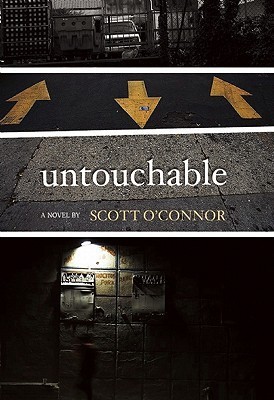
Untouchable
Book Description
A haunting tale unfolds in a world where one misstep alters lives forever. As a young man grapples with the agony of guilt from a tragic accident, strands of secrets and deceit intertwine in a web of grief. Haunted by memories and a fracture that seems unhealable, he navigates a landscape of shattered relationships and unrelenting conflict. Each day is a battle between confronting the past and the daunting shadows that loom ahead. In a story where truth can be the heaviest weight, will redemption ever be within reach, or is some pain too profound to escape?
Quick Book Summary
Untouchable by Scott O'Connor is a piercing, emotionally raw novel that delves into the aftershocks of tragedy and the enduring search for redemption. The story follows David Darby, a "cleaner" who specializes in erasing traumatic remnants from crime and accident scenes, even as he battles the lasting ache of personal loss. The accidental death of his son has fractured David’s marriage and plunged him and his wife, Mary, into isolated agony. As David numbly goes through the motions of daily life, the lines between professional detachment and personal anguish blur. Grief festers, secrets accumulate, and the characters grapple with blame, denial, and a yearning for forgiveness. As the narrative unfolds, O'Connor explores whether one can ever truly cleanse themselves of guilt, or if some wounds remain untouchable.





Summary of Key Ideas
Table of Contents
The Lingering Weight of Grief
David Darby’s existence is marked by routine: he performs meticulous work as a crime scene cleaner, wiping away tangible evidence of humanity’s darkest moments. Yet the pain of his own unspeakable loss—a tragic accident that claimed his young son—is inescapable. The Darby household is defined by silence; David and his wife, Mary, spiral into isolation while the small ruptures in their marriage widen. Each room in their house is heavy with memories, and neither parent knows how, or if, they can truly move forward.
The Hazards of Secrets and Silence
Secrets pervade the narrative, intensifying the characters’ stasis. David suppresses the memory of the accident and Mary withdraws, both desperate to shield themselves from additional pain. Their son’s absence is a void filled with unspoken questions and accusations. The novel explores how secrecy compounds suffering, as the couple’s refusal to communicate about their trauma breeds further misunderstanding and alienation. The silences in their home mirror the blank spaces David leaves in the homes he cleans—visible emptiness laden with emotion.
Guilt and the Search for Redemption
Haunted by guilt and desperately craving absolution, David seeks meaning in the meticulous task of cleaning. But no amount of scrubbing or disinfecting erases the stains he feels inside. O’Connor draws a compelling parallel between David’s profession—the physical eradication of trauma—and his inner quest to rid himself of shame and regret. As David confronts the details of strangers’ tragedies, he’s forced to confront his own. The question of whether self-forgiveness is attainable lingers at the heart of the novel.
The Struggle to Connect
Connection, or the lack thereof, is a crucial thread. Attempts at intimacy falter as David and Mary struggle to support one another. Friends and colleagues hover on the fringes, offering little solace. David’s interactions are marked by awkwardness, illustrating the isolating nature of grief. His inability to reach out—paralyzed by fear of judgment or renewed pain—echoes the book’s central dilemma: How do we bridge the gaps when sorrow seems untouchable?
Cleansing as Both Profession and Metaphor
Ultimately, Untouchable is as much about the impossibility of total cleansing as it is about loss itself. The process of cleaning trauma scenes becomes a powerful metaphor for the impossibility of erasing grief. O’Connor’s prose is spare but evocative, capturing moments of desperate hope alongside abiding despair. The novel refuses easy answers, instead highlighting the complexities of healing. Redemption, if it comes, is slow and incomplete, suggesting that some wounds, while perhaps livable, are never fully washed away.
Download This Summary
Get a free PDF of this summary instantly — no email required.