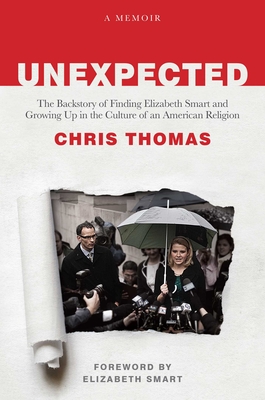
Unexpected: The Backstory of Finding Elizabeth Smart and Growing Up in the Culture of an American Religion
Book Description
A heart-stopping tale unfolds as one man's journey spirals from a shocking abduction to a gripping search that captivated a nation. Chris Thomas reveals the untold story behind the rescue of Elizabeth Smart and delves deep into the faith that shaped his upbringing. With each page, the clash of hope and despair, family loyalty and devastating secrets, fuels a relentless pursuit for truth in a world steeped in conviction. As the shadows of a bittersweet childhood collide with the brightness of redemption, what unseen forces will be uncovered, and how far will one go to fight for freedom?
Quick Book Summary
"Unexpected" by Chris Thomas is a riveting work that delves into the abduction of Elizabeth Smart and the subsequent search that gripped the nation. Told from Thomas's unique vantage point as a reporter and person of faith, the book intertwines the suspense of true crime with the introspection of memoir. Beyond recounting the high-profile case, Thomas explores the complexities of growing up in a tight-knit American religious community, the strengths and limitations of faith during times of crisis, and the psychological toll of national scrutiny. As personal memories of childhood, family loyalty, and the search for redemption emerge, Thomas crafts a narrative that is as much about the cultural context of belief as it is about the dramatic events themselves.





Summary of Key Ideas
Table of Contents
The Intersection of Faith and Crisis
Chris Thomas begins with a reflection on his upbringing within a devout Mormon community, exploring how faith, ritual, and a sense of shared values shaped his early life. This foundation is key to understanding his response to the shocking news of Elizabeth Smart's abduction—a crime that struck at the heart of a community that prized safety and religious cohesion. Thomas introduces readers to the cultural framework that, while providing comfort, also wrestled with confronting evil in its midst, challenging long-held assumptions about the nature of their insular world.
Media, Community, and the Power of Storytelling
As the search for Elizabeth Smart unfolds, Thomas becomes a witness to the mobilization of faith-driven activism, hope, and solidarity as the community rallies behind the Smart family. He details how faith became both a source of strength and a means for collective action, even as the pressures of constant media attention and growing national interest began to complicate the narrative. The juxtaposition of media scrutiny against local values reveals the nuances of how a story can be shaped—and sometimes distorted—at the intersection of national interest and local tradition.
Family Loyalty Amidst Public Scrutiny
Thomas goes beyond the headlines, offering insight into his own role as a storyteller and the ethical dilemmas faced in covering such a highly charged case. He considers the responsibilities of reporting truth, the sensationalism that often accompanies true crime, and the importance of maintaining compassion and sensitivity toward the family and community involved. Thomas explores the role media can play as both a catalyst for action and a potential source of further trauma.
The Psychological Impact of Trauma and Redemption
The memoiristic chapters delve inward, chronicling the emotional and psychological toll the case took not only on the Smart family but also on Thomas himself. He examines personal reckonings with fear, guilt, and hope, as well as the enduring impact of childhood experiences informed by faith and family dynamics. This personal narrative is intertwined with broader reflections on how trauma shapes identity and the search for meaning in the aftermath of crisis.
Ultimately, Thomas reflects on the long-term consequences of the event—both for Elizabeth Smart and those who were part of her story. He addresses the theme of redemption and healing, highlighting the resilience that emerges from pain and the ways in which community and personal conviction can lead to new beginnings. The book closes by contemplating the unseen forces of faith, loyalty, and truth that persist in shaping lives long after the spotlight fades.
Download This Summary
Get a free PDF of this summary instantly — no email required.