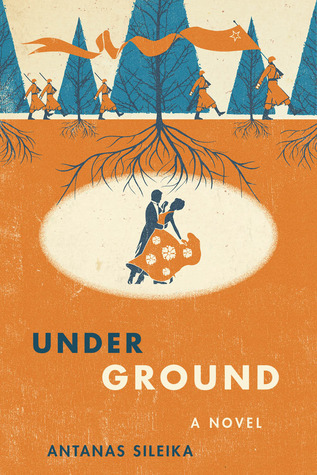
Underground
Book Description
Beneath the cobblestone streets of war-torn Europe, an underground world pulses with secrets and survival. As whispers of rebellion ignite a flame in the hearts of the oppressed, fragile alliances form amidst betrayal and sacrifice. Lives intertwine in a thrilling dance of love, loyalty, and loss, where each choice bears the weight of fate. Shadows lurk around every corner, and hope flickers like a dying ember. Friendships will be tested, and the struggle for freedom heats to a boiling point. When the ground is forever shifting, who can truly be trusted? What will they risk to reclaim their future?
Quick Book Summary
"Underground" by Antanas Šileika is a gripping historical novel set in post-World War II Lithuania, where resistance fighters struggle against Soviet occupation. The story follows Lukas, a determined young man entangled in the covert world of the anti-Soviet partisan movement. Amidst the dangers of betrayal, shifting allegiances, and the constant threat of violence, Lukas forms deep bonds with fellow fighters and navigates a fraught relationship with Elena, whose loyalty is tested by circumstance. The narrative presents a viscerally atmospheric portrait of life beneath the surface—both literally in the hidden bunkers and figuratively in the secrets and sacrifices required by war. The novel explores the impossible choices made in pursuit of freedom, the cost of resistance, and the enduring hope found in the darkest moments.




Summary of Key Ideas
Table of Contents
Resistance and Rebellion
Set in Lithuania during the aftermath of World War II, "Underground" immerses readers in a country struggling to regain its independence against an overwhelming Soviet occupation. The protagonist, Lukas, finds himself drawn into the partisan resistance, a clandestine network of fighters, as he seeks to defend his homeland and protect those he loves. The underground setting is both literal and symbolic, representing not just the hidden bunkers and passageways but also the secret lives and internal conflicts of the characters.
Loyalty, Betrayal, and Trust
Loyalty becomes a complex currency throughout the novel. Lukas and his comrades must constantly assess who can be trusted as the Soviets employ informants and collaborators to infiltrate the resistance. Friendships are forged in the crucible of combat, but betrayal lurks around every corner. The dynamic between Lukas and Elena, a young woman entwined with both the resistance and the enemy, highlights the murky boundaries between friend, foe, and family under dire circumstances.
The Human Cost of War
The narrative does not shy away from illustrating the harsh realities and the human toll of continuous warfare. Characters experience loss, fear, and disillusionment as they live in constant danger and make impossible choices. Šileika portrays the physical and psychological costs of guerrilla combat: hunger, paranoia, and the strain of living in the shadows. The deaths of comrades and the threat of reprisals for families left outside the underground world underscore the pervasive sense of peril.
Love Amidst Turmoil
Amidst the chaos, there are moments of connection and even love. Lukas’s developing relationship with Elena is both a refuge and a source of additional complications. Their affection grows under extraordinary circumstances, yet the pressures of war constantly threaten to drive them apart. The story explores how love can be a source of both strength and vulnerability, and how the bonds between individuals provide hope, even as the world crumbles around them.
Hope and the Pursuit of Freedom
The novel ultimately meditates on hope and the drive for freedom. Each of the main characters is confronted with the question of what price they are willing to pay for their ideals. For some, the answer requires sacrifice; for others, resignation. Šileika’s narrative suggests that even when victory seems impossible and trust is scarce, the human spirit’s desire for autonomy and dignity endures. The flicker of hope that survives in the underground becomes a metaphor for resilience in the face of oppression.
Download This Summary
Get a free PDF of this summary instantly — no email required.