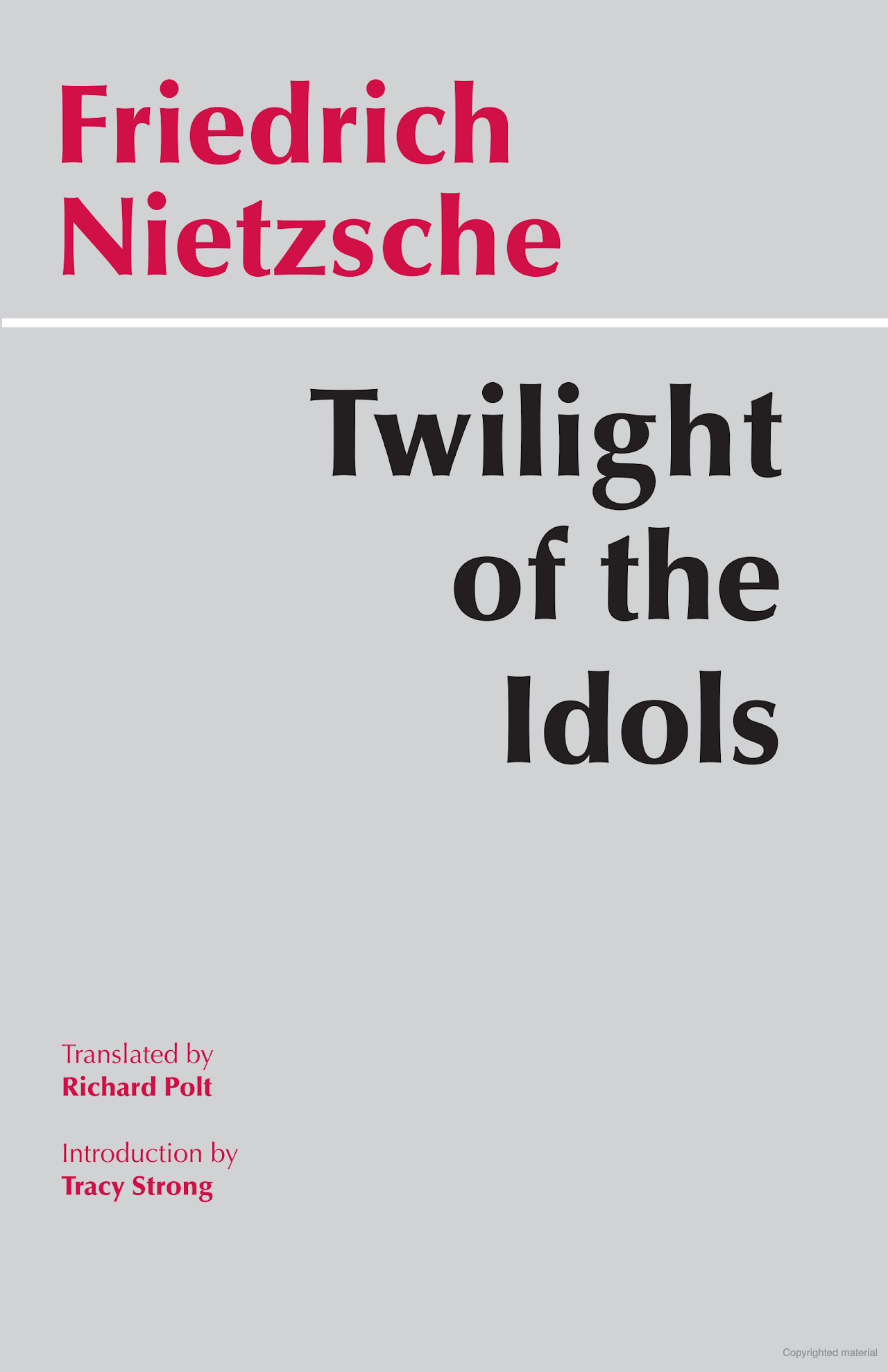
Twilight of the Idols
Book Description
Challenging the very foundations of morality and truth, Friedrich Nietzsche unleashes a relentless critique of modern values in "Twilight of the Idols." With razor-sharp clarity, he dismantles sacred idols and unravels the fabric of conventional wisdom. Each page reverberates with revolutionary ideas that dare to question the essence of existence, urging a fearless embrace of life’s chaos. As Nietzsche's words strike like lightning, they ignite a fierce exploration of authenticity and power. Are humanity's greatest beliefs merely delusions waiting to be shattered, or the very anchors that hold civilization together? The choice is yours to confront.
Quick Book Summary
"Twilight of the Idols" is Friedrich Nietzsche’s incisive and provocative critique of Western philosophy, morality, and cultural values. Written as a series of succinct, penetrating aphorisms, Nietzsche exposes what he sees as the intellectual and spiritual errors embedded in traditional beliefs, particularly those of Socrates, Christianity, and modern rationalism. He famously challenges commonly accepted "idols"—the untouchable ideas revered by society—that have, in his view, weakened the human spirit and stifled vitality. Nietzsche calls for a revaluation of all values, urging readers to break free from inherited dogmas and confront life’s chaos and struggles head-on. With characteristically sharp wit and literary flair, Nietzsche’s work remains a powerful invitation to question everything, seek authenticity, and embrace life’s complexities.



Summary of Key Ideas
Table of Contents
Critique of Traditional Morality and Values
Nietzsche opens by targeting what he regards as the errors of long-standing moral systems. He contends that traditional Western morality has its roots in a denial of instinct and life itself, championing weakness over strength and passivity over vitality. Through a series of incisive aphorisms, he identifies the tendency of morality to suppress natural desires and instincts, which, according to Nietzsche, diminishes human greatness and creativity. He challenges the audience to recognize how pervasive these moral codes are — not expressions of truth but rather constructs that serve to control and limit.
The Revaluation of Truth and Reason
The book furthers its critique by examining the notion of truth and the worship of rationality. Nietzsche is skeptical of philosophers who idolize reason as the highest virtue, arguing that this stance stems from fear of uncertainty and a desire for comfort. He suggests that the quest for absolute truths leads to dogmatism and stagnation instead of the dynamic engagement with reality that he sees as life-affirming. For Nietzsche, embracing the multiplicity of perspectives is more truthful than clinging to static certainties.
The Problem of Socrates and Western Philosophy
A critical portion of the work dissects the legacy of Socrates, whom Nietzsche calls a symbol of philosophy’s downfall. He believes Socrates elevated reason at the cost of instinct and intuition, beginning a tradition that would culminate in the lifelessness of modern thinking. In Nietzsche's eyes, this contributes to the degeneration of culture, as rationalism becomes a substitute for living experience. The Socratic method—interpreted as an obsession with rational explanations—sets a precedent that distances humanity from the richer, instinctual facets of existence.
Affirming Life over Denial
Nietzsche contrasts life-denying philosophies with his call for an affirmation of life in all its brutality and beauty. Rather than seeking refuge in denial, asceticism, or afterlife promises, Nietzsche urges readers to accept and celebrate the condition of existence. He uses the image of the "hammer" to propose smashing old idols—be they religious or philosophical—and forging new values that honor strength, creativity, and joy. This affirmative stance is crucial for cultivating exceptional individuals who can transcend mediocrity.
The Psychology of Idols and Herd Mentality
Finally, Nietzsche delves into the psychology of those who perpetuate these "idols." He discusses the "herd mentality," wherein people adopt prevailing values unthinkingly to gain security and group approval. Such conformity, Nietzsche argues, breeds resentment and mediocrity. The "noble spirit," by contrast, dares to question, to stand apart, and to set its own course. In exposing the roots and effects of cultural idols, Nietzsche challenges his readers to consider whether their beliefs foster vitality or merely comfort, pushing them toward radical self-examination.
Download This Summary
Get a free PDF of this summary instantly — no email required.