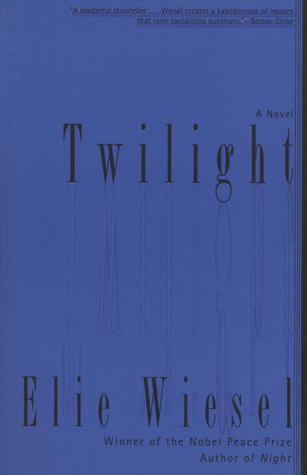
Twilight
Book Description
Darkness looms as a young man navigates a world ravaged by despair and the echoes of a haunting past. In the chilling aftermath of war, survival becomes a fragile balance between hope and the depths of human suffering. As friendships shatter and new alliances form, the struggle for identity unfolds amid relentless uncertainty. Each choice leads to profound consequences, pulling hearts in conflicting directions. Voices rise against the silence, and the weight of memory presses heavily on every moment. What happens when the light of humanity flickers in the face of oblivion? Can one find redemption in the twilight?
Quick Book Summary
"Twilight" by Elie Wiesel is a haunting novel that explores the inner turmoil of Raphael Lipkin, a survivor of the Holocaust who is struggling to reconcile his traumatic past with the fragile hope for a meaningful future. Haunted by memories of unimaginable suffering, Raphael becomes entangled with a group of enigmatic patients in a mental institution, each bearing their own scars from war and oppression. Through fraught relationships and philosophical dialogue, Raphael searches for answers to the existential questions posed by suffering, faith, and the possibility of redemption. As the boundaries between sanity and madness blur, the novel probes the depths of human despair and the enduring need for connection, ultimately contemplating whether light can survive in the gathering darkness.





Summary of Key Ideas
Table of Contents
The Burden of Memory and Trauma
After the devastation of World War II, Raphael Lipkin, a Holocaust survivor, finds himself grappling with profound loss and persistent memories that refuse to fade. The trauma of the camps weighs heavily on him, coloring his every interaction and thought. Unable to sever himself from his past, Raphael seeks solace and understanding among the residents of a psychiatric institution, where the line between sanity and delusion often blurs. In this environment, the burdens each person carries are both unique and eerily similar, inviting Raphael to reflect on the shared human experience of suffering.
Struggles with Faith and Identity
Raphael’s journey is an existential quest, marked by a deep crisis of faith. Once devout, he now questions the presence or absence of God amidst such overwhelming evil. Dialogues with the other patients, particularly those who share stories of their own confrontations with despair, become avenues for exploring these spiritual and ethical dilemmas. Through these exchanges, the novel probes whether faith can coexist with knowledge of humanity’s darkest impulses and whether a sense of purpose can survive trauma.
The Search for Redemption and Meaning
As Raphael interacts with this group of broken souls, themes of isolation and connection surface repeatedly. Their shared pain creates a fragile fellowship, interrupted by episodes of withdrawal and distrust. Raphael’s struggle is to move from the periphery of life—where grief has exiled him—toward a tentative reconnection with others. The ever-present threat of betrayal and misunderstanding points to the challenges inherent in vulnerability, yet also highlights the necessity of reaching out to fellow sufferers for healing.
Isolation Versus Connection
Central to Raphael’s journey is the search for meaning and redemption in a world that seems stripped of both. He is haunted not only by the horrors he witnessed but by his own unanswered questions: Can anything justify survival? Is hope possible amid the ruins? Through storytelling, philosophical debate, and moments of fleeting tenderness, Wiesel suggests that redemption, however fragile, is rooted in the courage to remember and to imagine a better world, even as the weight of sorrow remains.
Sanity, Madness, and the Shadows of the Past
The novel closes with an unsettling ambiguity, reflecting the unresolved tensions at its heart. Raphael’s struggle with madness mirrors the collective trauma of his generation, suggesting that healing is neither linear nor complete. The boundaries between past and present, reality and illusion, remain porous. Yet, even as twilight threatens to extinguish all hope, Wiesel leaves readers with the faint possibility that light—a reminder of love, faith, and human dignity—can persist against even the deepest darkness.
Download This Summary
Get a free PDF of this summary instantly — no email required.