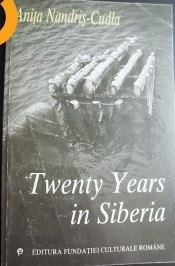
Twenty years in Siberia
Book Description
Survival against the brutal expanse of Siberia ignites a tale of resilience, loss, and the unbreakable will to endure. Anița Nandriș-Cudla's poignant memoir transports readers to a world where each day is a battle against the unforgiving landscape and harsh realities of exile. Amidst the biting cold and relentless hardships, a story of love, hope, and human spirit unfolds. Heart-wrenching choices shape the lives of those caught in the grip of history—families torn apart, friendships forged in adversity, and a quest for freedom that reverberates through the ages. What lengths will one woman go to reclaim her life?
Quick Book Summary
Anița Nandriș-Cudla’s "Twenty Years in Siberia" is a searing memoir that chronicles her forced deportation from Northern Bukovina during the Soviet annexation of Romania and her ensuing two-decade struggle for survival in Siberia. Torn from her homeland with her family and thrust into an alien, freezing wilderness, Anița faces overwhelming hardship—from hunger and disease to the psychological toll of separation and uncertainty. Despite the harsh environment and the cruelty of exile, her narrative shines with instances of hope, perseverance, and deep human connection. Through Anița’s eyes, readers witness not just the loss and sorrow of exile but also the inspiring resilience and dignity that define the will to endure, offering a powerful testimony to the triumph of spirit over adversity.



Summary of Key Ideas
Table of Contents
Survival in Exile
Anița Nandriș-Cudla’s journey into the abyss of Siberian exile begins with sudden uprooting from her Bukovinian village along with her family—victims of Soviet policies targeting ethnic Romanians following the annexation of Northern Bukovina. The forced journey east is grueling, packed into boxcars with scant food or comfort and haunted by fear of the unknown. Upon arrival, they are deposited into the unforgiving Siberian taiga, facing a new world defined by bone-chilling cold, isolation, and cultural estrangement. The first challenge is simple survival, as Anița and her fellow deportees build makeshift shelters and confront starvation, disease, and the constant threat of death. Each day demands resourcefulness, as people barter, improvise, and share in order to cope with scarcity and the omnipresent brutality of their surroundings.
Family and Community Bonds
Exile strips Anița’s family of the comforts and certainties of home, but it also reveals the astonishing strength that emerges in times of crisis. Family becomes both a shelter and a source of worry—keeping her children alive and together is a daily battle, made possible by unwavering mutual support. Neighbors form protective, interdependent communities, offering one another solace and aid in the face of official indifference or hostility. The memoir captures the formation of profound friendships and alliances, which not only provide practical help but become lifelines, instilling hope and a sense of belonging amid overwhelming despair.
Resilience Amid Hardship
Endurance is at the soul of Anița’s story. She survives not merely through physical fortitude but by cultivating resilience, inventiveness, and hope. Despite crushing labor, meager rations, and strict surveillance by Soviet authorities, she finds ways to sustain life and dignity—whether by innovatively using available resources, recalling cherished memories from home as mental nourishment, or looking after the vulnerable around her. Moments of brief connection—letters, a shared meal, kindness from a stranger—become beacons of light that keep her moving forward.
The Psychological Toll of Displacement
Beneath the struggle for subsistence is an ever-present psychological strain. The uncertainty of exile—never knowing if or when freedom might come—carries its own torment. The trauma of seeing loved ones fall ill or disappear, the loss of homeland, and the erosion of personal identity are continual burdens. Yet Anița’s unbreakable spirit and faith, as well as her refusal to surrender to despair, are crucial to her survival. By bearing witness—retelling her hardships and those of others—she finds purpose, and the act of remembering becomes a form of resistance.
Hope and Endurance
Emerging from two decades of exile, Anița’s narrative stands as testimony to human endurance, the possibility of reclaiming a sense of self in the aftermath of atrocity, and the redemptive power of hope. Her memoir does not shy away from the darkness but insists on the capacity of ordinary people for extraordinary strength. "Twenty Years in Siberia" thus serves both as historical record and a timeless story of faith, love, and the will to persist against all odds.
Download This Summary
Get a free PDF of this summary instantly — no email required.