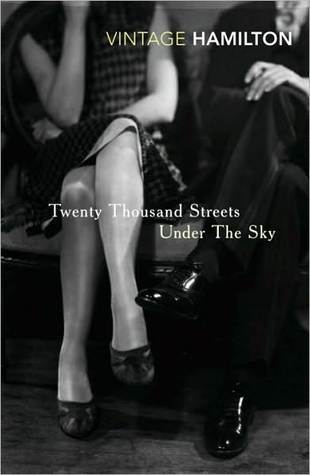
Twenty Thousand Streets Under the Sky
Book Description
In the shadowy corners of 1930s London, desire and desperation collide in a gritty tale of love and betrayal. A young barmaid navigates her tumultuous relationships with two men: a hopeless romantic and a hardened cynic, both drawn into the intoxicating whirl of the city's nightlife. Their lives intertwine amidst the smoky haze of pubs, where ambition fights against the suffocating grip of fate. As each character grapples with their yearning for belonging and escape, dark secrets threaten to unravel their fragile connections. Can love survive the relentless chaos of their passions, or will the streets swallow them whole?
Quick Book Summary
"Twenty Thousand Streets Under the Sky" by Patrick Hamilton is a poignant exploration of love, hope, and disillusionment set against the backdrop of 1930s London. The narrative unfolds through the intertwined lives of three characters—Bob, a sentimental barman; Jenny, a troubled barmaid; and Ella, a quietly devoted waitress. As Bob falls in love with Jenny, his naive affections thrust him into a downward spiral of unrequited love and self-destruction, while Jenny seeks escape from her circumstances and becomes trapped by her own poor choices. Ella silently observes their dynamics, her own longing for Bob locked away by her station and timidity. Against the smoky, bustling pubs and fog-laden streets, the trio’s pursuits of happiness and belonging collide with harsh realities, revealing the intricate interplay between dreams and fate in working-class London.




Summary of Key Ideas
Table of Contents
The Illusion and Pain of Unrequited Love
Set in the pubs and dimly lit streets of 1930s London, "Twenty Thousand Streets Under the Sky" centers on the interconnected lives of Bob, Jenny, and Ella. Bob, a gentle and hopeful barman, becomes deeply infatuated with Jenny, a young and forlorn prostitute hoping for a better life. Ella, a waitress, harbors her own unspoken love for Bob. The narrative threads their experiences through the city's bustling social life, capturing both the thrilling vibrancy and unforgiving indifference of urban existence.
Social Class and Its Constraints
Bob’s devotion to Jenny, coupled with his fragile idealism, leads him to spend his modest savings on her in hope of love’s reciprocation. However, Jenny’s yearning for escape and her vulnerability to predatory men leave her emotionally distant and self-destructive. The ensuing triangle of affections—Bob for Jenny, Ella for Bob—highlights the loneliness and miscommunication bred by class divides and personal insecurities. Ella’s affection remains hidden, stifled by her circumstances and demure nature.
The Destructiveness of Longing and Self-Deception
Social class permeates every relationship, shaping desires and pinning the characters to their fates. Bob’s working-class background limits his prospects and places his dreams just out of reach, while Jenny’s circumstances make her susceptible to exploitation. Ella, resigned to her place, longs for change but fears the repercussions of stepping beyond familiar boundaries. Hamilton masterfully evokes the inner conflicts faced by the economically and emotionally marginalized, illustrating how limited choices can stifle the pursuit of happiness.
Urban Loneliness and Yearning for Escape
The novel delves into the destructiveness of longing and self-deception. Bob’s blind belief in the redemptive power of his love for Jenny blinds him to her realities, while Jenny’s own illusions about escape and rescue fuel her descent. The city’s seductive nightlife offers temporary relief from their despair but ultimately reinforces their isolation. The cyclical disappointments and broken dreams faced by the trio evoke a sense of inevitability and tragic pathos.
Fate, Disillusionment, and the Search for Meaning
Ultimately, "Twenty Thousand Streets Under the Sky" is a study in fate’s relentless grip over the vulnerable. The novel’s conclusion leaves the characters battered by their experiences, yearning for escape yet oddly resigned to their circumstances. Hamilton’s evocative prose and unflinching honesty expose the loneliness, hope, and futile struggles that define many urban lives. The story lingers as a powerful meditation on the tension between aspiration and reality in a world that offers little solace to those on its margins.
Download This Summary
Get a free PDF of this summary instantly — no email required.