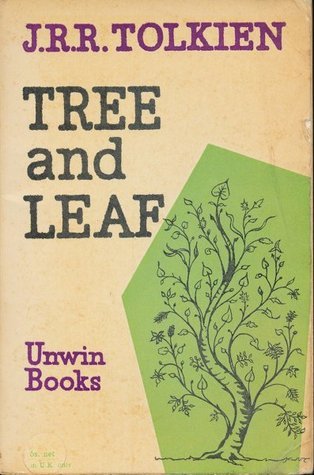
Tree and Leaf
Book Description
A world of magic and mystery awaits as two tales intertwine, revealing the profound depths of art and creation. In a gripping exploration of fantasy and reality, a humble leaf becomes an emblem of hope, sparking a passionate debate between imagination and stark truth. Characters wrestle with the weight of despair and the thrill of beauty, their destinies precariously hanging in the balance. As shadows threaten to engulf their dreams, the essence of what it means to be truly alive flickers in the air. Will the light of inspiration triumph against the darkness of despair, or will silence claim the day?
Quick Book Summary
"Tree and Leaf" by J.R.R. Tolkien blends fantasy, poetry, and critical essay to reveal the intricate relationship between art, reality, and the human need for imaginative escape. The book consists of the influential essay "On Fairy-Stories" and the poignant short story "Leaf by Niggle." Tolkien examines what makes fantasy literature meaningful and argues that fairy stories hold profound truths about life, hope, and humanity’s search for purpose. Through the character of Niggle, an artist who struggles to finish his masterpiece amid mundane demands, Tolkien explores themes of creativity, sacrifice, and redemption. Ultimately, "Tree and Leaf" offers a stirring meditation on the resilience of the human spirit and the lasting value of imagination as a response to despair and meaninglessness.


Summary of Key Ideas
Table of Contents
The Value and Purpose of Fantasy
Tolkien opens with a thoughtful examination of fantasy literature’s place in human culture. In his essay, he argues that fairy stories are not just tales for children, but vital artistic expressions that answer deep human needs. He contends that fantasy offers recovery, escape, and consolation, allowing readers to see the world anew and escape the ennui of modern life. This re-envisioning grants hope, in contrast to the claim that fantasy is mere escapism. Instead, Tolkien elevates it, suggesting that the ability to imagine and create alternative realities enriches our understanding of existence itself.
Imagination versus Reality
The short story "Leaf by Niggle" follows Niggle, a painter who dreams of completing a grand tree on canvas, each leaf painstakingly unique. However, life’s interruptions and obligations continually prevent him from realizing his vision. Through Niggle’s journey, Tolkien explores the tension between idealistic, inner creativity and the practical, outward responsibilities that dominate daily life. Niggle’s struggle mirrors the artist’s dilemma: the quest to balance personal inspiration with the demands of society, and the challenge of maintaining one’s creative vision amidst adversity.
Sacrifice and Redemption Through Art
Tolkien weaves in the motif of sacrifice as Niggle is forced to put aside his art to care for his ailing neighbor. This act of kindness is initially presented as a detour, yet it becomes central to Niggle’s personal growth. His self-sacrifice leads to unforeseen spiritual enrichment, illustrating how art and charity are interconnected paths to redemption. In the afterlife, Niggle is ultimately reunited with his tree—now a living reality—symbolizing the fulfillment of artistic aspiration through perseverance and compassion.
The Interplay of Despair and Hope
The emotional core of the book rests in its exploration of despair and hope. Both the essay and the story underscore the temptations of cynicism, yet insist that beauty and imagination can pierce darkness. Characters wrestle with doubt, inadequacy, and the threat of oblivion, but creativity endows them with renewed purpose. Tolkien suggests that the act of creation, like the leaf that endures, is an act of defiance against meaninglessness, offering consolation not only to the creator but to all who behold their work.
"Tree and Leaf" concludes by reaffirming art’s essential value. Tolkien’s insights illuminate how fantasy and creation are not diversions, but deep responses to existential challenges. The interplay between reality and imagination, practical duty and artistic longing, despair and hope, finds resolution in the idea that through both acts of making and acts of kindness, life attains profound, enduring meaning.
Download This Summary
Get a free PDF of this summary instantly — no email required.