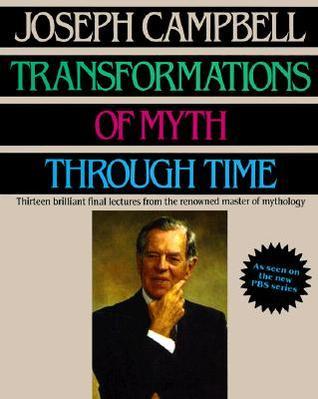
Transformations of Myth Through Time
Book Description
Discover the heartbeat of humanity's greatest stories in 'Transformations of Myth Through Time.' Joseph Campbell takes you on an exhilarating journey through the ages, unearthing the underlying truths that connect us all. From ancient legends to modern narratives, witness how myths evolve, reflect our deepest fears, and inspire hopes. Each page reverberates with the power of storytelling—a universal language that transcends time and culture. With astonishing insights and vivid examples, this compelling examination reveals how our collective psyche shapes the tales we tell. What profound truths lie in the myths that bind us together?
Quick Book Summary
"Transformations of Myth Through Time" by Joseph Campbell explores humanity's most enduring myths, tracing their evolution across different civilizations and historical periods. Campbell investigates how myths both shape and are shaped by the collective human psyche, serving as blueprints for cultural values, existential questions, and social norms. Through comparative analysis, the book highlights recurring symbols, archetypes, and themes—from creation stories to heroic journeys—that persist despite surface differences between cultures. Campbell deftly links past and present, illustrating how contemporary narratives stem from ancient roots. Ultimately, the book asserts myth's enduring power to inspire, unite, and help individuals make meaning of universal human experiences, revealing the profound truths embedded in the stories we tell and inherit.




Summary of Key Ideas
Table of Contents
The Universal Patterns of Myth
Campbell begins by identifying the universal patterns underlying myths from diverse cultures. He observes that, despite their unique contexts, myths often grapple with similar existential questions and employ comparable motifs, such as creation, death, rebirth, and the search for meaning. These recurring elements suggest a shared psychological framework across humanity, rooted in our collective unconscious. Myths serve as the coded language through which societies articulate their deepest anxieties, hopes, and aspirations, binding individuals together through shared narratives.
Myth as a Mirror of Society and the Psyche
Throughout the book, Campbell emphasizes the role of myth in reflecting and shaping both individual and societal values. Myths are not static—they evolve to mirror changing social realities, technological advancements, and shifts in belief systems. This adaptability ensures their continued relevance, as old stories are reinterpreted or reconfigured to address new dilemmas. By examining myths from a psychological and anthropological perspective, Campbell demonstrates their function as tools for teaching moral lessons, legitimizing authority, or resolving cultural tensions.
Transformation and Adaptation of Myths Across Cultures
A central theme in Campbell’s analysis is the process of transformation—how myths adapt as societies encounter other cultures or confront transformative events. For example, he traces the migration of mythic motifs along ancient trade routes, showing how religious ideas and narrative structures blend and reshape each other. This dynamic process creates the rich tapestry of world mythology, revealing both the adaptability of myth and the interconnectedness of civilizations across time and space.
The Hero’s Journey and Archetypal Symbols
The archetype of the hero’s journey is one of Campbell’s most significant contributions. Drawing from global legends, he outlines a recurring narrative structure that includes stages such as the call to adventure, facing trials, achieving enlightenment, and returning to share wisdom. These patterns, along with other symbols like the world tree or the sacred mountain, transcend culture and era, reflecting fundamental psychological processes and life rites of passage. The endurance of these symbols attests to their profound resonance with the human condition.
Modern Manifestations of Ancient Myths
Campbell concludes by showing how ancient myths continue to manifest in modern media, literature, and popular culture. Even as society becomes more secular, foundational mythic themes persist—reshaped as science fiction sagas, superhero stories, or personal quests for meaning in a rapidly changing world. Through these contemporary expressions, Campbell illustrates that myth, far from being obsolete, remains integral to our understanding of ourselves and our collective journey—a living force that binds generations across time.
Download This Summary
Get a free PDF of this summary instantly — no email required.