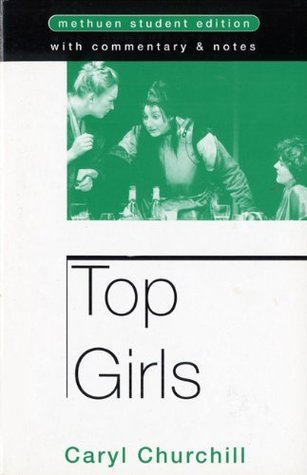
Top Girls: With Commentary and Notes
Book Description
A dinner party like no other awaits, where historical heroines collide in a whirlwind of ambition, power, and the sacrifices made for female liberation. In 'Top Girls: With Commentary and Notes,' Caryl Churchill delves deep into the complexities of women's roles across time, exploring the harsh realities behind the glamour of success. As the characters grapple with their pasts and futures, tensions mount, revealing the emotional stakes of their choices. Can one truly rise to the top without losing everything? This provocative play challenges viewers to confront the cost of their dreams. What sacrifices will you make for greatness?
Quick Book Summary
"Top Girls" by Caryl Churchill is a landmark feminist play that examines the complexities of women's success and the sacrifices entailed in pursuing ambition. The story is grounded in a celebrated dinner party where Marlene, a rising professional, hosts famous women from history and legend. Through witty, overlapping dialogue and surreal connections across centuries, Churchill confronts what women have endured to achieve their goals—including personal losses, compromise, and isolation. Moving between this fantastical gathering and Marlene’s contemporary life at the Top Girls Employment Agency, the play interrogates issues like gender, social class, privilege, and the cost of success in a patriarchal world. Churchill’s sharp commentary and layered characters invite audiences to reflect on both progress made and challenges ongoing for women.


Summary of Key Ideas
Table of Contents
The Cost of Female Ambition
Caryl Churchill’s "Top Girls" opens with an imaginative dinner party hosted by Marlene, the newly promoted manager at a London employment agency. Marlene welcomes extraordinary women from history and mythology: Pope Joan, Isabella Bird, Lady Nijo, Dull Gret, and Patient Griselda. The overlapping, rapid-fire dialogue reveals common threads in the women’s lives: their struggles with authority, the consequences of their ambition, and the personal sacrifices each made. The dinner party serves as an avant-garde framing device that foregrounds the enduring challenges women face when pursuing success.
Sisterhood and Feminist Solidarity
Transitioning to present-day 1980s Britain, the action centers on the Top Girls Employment Agency. Marlene embodies the new professional woman—confident, driven, and ambitious. Yet Churchill interrogates the costs associated with her rise. Marlene is alienated from her working-class family and harbors secrets about her personal life, most notably her relationship with her sister Joyce and niece Angie. Through candid conversations and tense confrontations at the agency, the play highlights the limited paths available to women, especially those who lack privilege or education.
Class and Social Mobility
The play explores competing concepts of feminism and the intersection of gender and class struggle. Marlene’s approach to success is shaped by Thatcherite values, emphasizing individualism and personal achievement. In contrast, other characters, like Joyce, argue for collective responsibility and mutual support, exposing tensions within the feminist movement itself. The play questions whether success for a few women can be truly empowering if it leaves others behind, particularly those constrained by systemic inequalities.
Legacy of Historical Female Figures
Historical context deeply influences each character’s worldview. The stories shared during the dinner party mirror challenges faced by contemporary women, creating poignant parallels and prompting critical reflection on progress over time. Churchill uses these legendary figures not only as symbols but as fully realized characters whose experiences echo those of Marlene and her peers. The play ultimately asks audiences to consider what has changed—and what remains stubbornly entrenched—in women’s quest for autonomy and fulfillment.
Personal Sacrifice Versus Collective Progress
Throughout "Top Girls," personal sacrifice emerges as a recurring theme. Marlene’s ascent comes at the cost of intimate relationships and emotional well-being, while her historical guests recount stories of great suffering and endurance. Churchill’s incisive writing exposes the price women pay to "have it all"—often navigating loneliness, regret, or estrangement. The play ends ambiguously, leaving viewers to ponder whether systemic barriers or personal choices are more significant in shaping women’s destinies.
Download This Summary
Get a free PDF of this summary instantly — no email required.