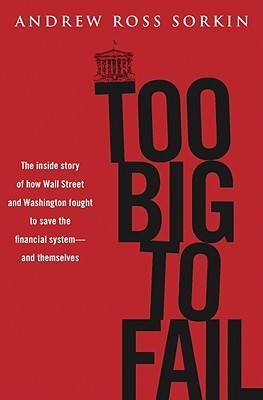
Too Big to Fail: The Inside Story of How Wall Street and Washington Fought to Save the Financial System from Crisis — and Themselves
Book Description
As the clock ticks down to economic collapse, titans of finance and power scramble to save a system teetering on the brink. Andrew Ross Sorkin pulls back the curtain on an explosive narrative where greed, fear, and betrayal intertwine. In boardrooms and backrooms, shocking alliances form and fragile egos clash amid frantic decision-making that will reshape the world. With each chapter, the stakes rise higher, revealing the desperation and high-stakes maneuvering as Wall Street and Washington fight not just for survival but for their own legacies. When the dust settles, who will emerge unscathed, and at what cost?
Quick Book Summary
"Too Big to Fail" by Andrew Ross Sorkin provides an unprecedented behind-the-scenes look at the 2007-2008 financial crisis. Weaving together multiple perspectives—from CEOs of major banks to key figures in the U.S. Treasury and Federal Reserve—Sorkin details the critical moments, tense negotiations, and personal stakes that unfolded as the crisis deepened. The book explores the labyrinthine connections between Wall Street and Washington, chronicling the egos, alliances, and miscalculations that both fueled the disaster and eventually shaped the government’s response. Ultimately, Sorkin reveals how economic collapse was narrowly averted, but at the high cost of bailouts, lost reputations, and public trust. Through rich narrative and exhaustive reporting, "Too Big to Fail" exposes the fragility of the financial system and examines the far-reaching consequences of unchecked ambition and systemic risk.


Summary of Key Ideas
Table of Contents
Anatomy of a Meltdown: Causes and Tipping Points
Sorkin begins by exploring the prelude to crisis, detailing how years of reckless lending, proliferation of complex financial products like mortgage-backed securities, and widespread over-leverage set the stage for disaster. The collapse of the U.S. housing bubble triggered a cascade of defaults, revealing just how interconnected and vulnerable the world’s largest financial institutions had become. As cracks surfaced, the fragility of the banking system was laid bare, shocking both insiders and the public.
High-Stakes Decision Making Under Pressure
The narrative moves rapidly into the feverish days of September 2008. Lehman Brothers’ imminent failure sparks frenzied discussions among top bankers and government officials including Hank Paulson, Tim Geithner, and Ben Bernanke. Boardroom drama and personal rivalries—especially among CEOs like Dick Fuld, Jamie Dimon, and Lloyd Blankfein—play a pivotal role in shaping responses. Ego clashes and distrust often hampered collective action as each player tried to minimize risk to their own firm while attempting to stave off wider collapse.
Interplay of Politics, Power, and Personality
The response from Washington is equally chaotic, with the Treasury and the Federal Reserve forced to improvise solutions on the fly. Decisions such as allowing Lehman Brothers to fail while rescuing AIG were controversial, reflecting both limited options and fraught political calculations. Sorkin highlights the tension between free-market beliefs and the harsh reality that systemic risk required extraordinary government intervention. The creation of programs like TARP underscored how far officials were willing to go to prevent total economic breakdown.
Government Intervention and Bailouts
Sorkin’s reporting illustrates how the personal motivations and fears of influential leaders colored the process. Grueling, non-stop negotiations, fueled by anxiety and exhaustion, exposed deep divisions—not just between Wall Street and Washington, but within those camps as well. Key moments hinged as much on personal relationships, trust, and quick judgment as on financial models or policy theory, giving the crisis a profoundly human character.
Legacy and Lessons of the Crisis
By the crisis’s end, a profound sense of relief mingled with exhaustion and mistrust. While the bailout programs stopped the immediate collapse, they raised enduring questions about moral hazard, the fairness of rescuing powerful banks, and the responsibility of those at the helm. Sorkin concludes that the decisions made in those tense weeks reshaped not just the financial system, but also public attitudes toward Wall Street, government, and the intricate ties between them, making "Too Big to Fail" a cautionary tale for economic and political leaders alike.
Download This Summary
Get a free PDF of this summary instantly — no email required.