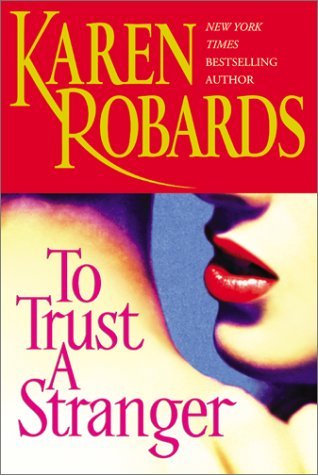
To Trust a Stranger
Book Description
Beneath the glitzy surface of a lavish mansion, danger lurks in every shadow. When a woman on the run encounters a charismatic stranger, trust becomes both their salvation and their greatest risk. As they are drawn into a whirlwind of deception, betrayal, and undeniable attraction, every choice could lead to love or lethal consequences. Heart-pounding suspense intertwines with steamy romance as they battle forces that could destroy them both. Who can truly be trusted when life hangs in the balance? Secrets are the currency of survival—how far are they willing to go to protect their hearts and their lives?
Quick Book Summary
In "To Trust a Stranger," Karen Robards crafts a high-stakes romantic suspense centered on Julie Carlson, a woman fleeing from a failed marriage and a dangerous enemy. Julie seeks sanctuary in a luxurious mansion, only to find herself ensnared in a web of secrets and deceit. She grudgingly allies with Steve McKnights, a stranger enigmatic yet compelling, whose motives might be as murky as her own past. As passion erupts between them, their fragile trust is tested by deadly threats stalking them from the shadows. Battling both external adversaries and the pull of their own guarded hearts, Julie and Steve must determine whether trust—and love—can truly flourish amidst mystery and peril. As hidden truths are revealed, every decision becomes a matter of life and death, and choosing who to trust could cost everything.


Summary of Key Ideas
Table of Contents
The Dynamics of Trust and Betrayal
Julie Carlson, the story’s protagonist, is reeling from the collapse of her marriage. Emotionally shattered and seeking safety, she enters a lavish but ominous mansion that seems to conceal as many secrets as it does rooms. Her goal is simple: escape the torment of her past. However, she quickly realizes she is not alone in her efforts to outrun danger. When an attack reveals that threats from her old life are still pursuing her, Julie is forced to confide in Steve McKnights, a stranger whose presence is as unpredictable as it is comforting.
Secrets and Hidden Pasts
Steve, meanwhile, is drawn into Julie’s orbit for reasons he initially keeps concealed. His protective instincts war with his own haunted past, making their partnership fraught with suspicion and allure. As they are thrust together by necessity, both are compelled to weigh the risks of trusting someone with their darkest truths. Every close call and shared secret heightens the simmering tension between them, blurring the line between ally and adversary. As dangers escalate, the pair’s growing attraction forces them to confront their emotional walls.
The Tension Between Vulnerability and Survival
The mansion itself operates both as a symbol and a crucible, amplifying the sense of claustrophobia and ever-present surveillance. Hidden tunnels, locked doors, and mysterious figures create a backdrop thick with suspense and uncertainty. Each new revelation uncovers further layers of deception—not just from external enemies, but from within Julie and Steve as well. Paranoia and mistrust threaten their alliance, especially as shadowy forces seem determined to ensure neither escapes alive.
Love Amidst Lethal Danger
Amidst the unfolding threat, romance takes center stage. Julie and Steve’s relationship is fueled as much by mutual need as by genuine affection, demonstrating how danger can accelerate passion and vulnerability. They must navigate the complexities of falling for someone who could just as easily betray them as save them. Ultimately, their willingness to risk heart and life for each other becomes the only hope for survival. Love, in this context, is an act of bravery—a leap of faith in a world that rewards only caution and cunning.
Deception as a Defense Mechanism
As the story reaches its climax, the boundaries between villain and victim blur, revealing that intentions are rarely pure and safety is never guaranteed. Julie and Steve’s journey is not simply one of evasion, but of transformation—learning that sometimes, the only path to true safety lies in surrendering the last vestige of self-protection. In a world built on secrets, “To Trust a Stranger” demonstrates the high price, and profound reward, of risking everything for love and trust.
Download This Summary
Get a free PDF of this summary instantly — no email required.