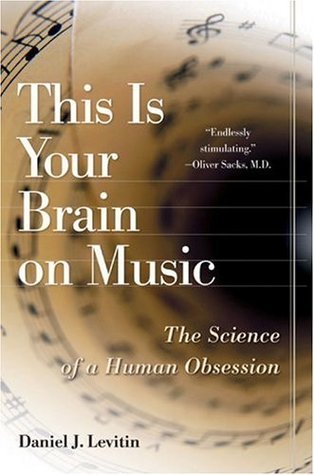
This Is Your Brain on Music
Book Description
Picture a world where melodies influence your mood, rhythms ignite your memories, and harmonies unlock the hidden depths of your mind. "This Is Your Brain on Music" plunges into the exhilarating intersection of neuroscience and music, revealing how sound shapes our emotions, drives our creativity, and connects us to one another. Daniel J. Levitin unravels the mysteries of musical perception, exploring the profound ways music resonates with the brain. As he blends science with compelling anecdotes, a thrilling journey unfolds. Can a simple song change your life forever? Step into the rhythm of your own mind and find out.
Quick Book Summary
"This Is Your Brain on Music" by Daniel J. Levitin delves into how the brain perceives, processes, and responds to music. Drawing upon neuroscience, psychology, and personal anecdotes, Levitin unpacks the intricate science behind why music matters so deeply to humans. He explores how musical elements such as rhythm, melody, and harmony are interpreted by the brain, as well as the emotional and cultural significance of music. The book argues that music is not simply entertainment but a core part of human cognition, affecting memory, emotion, and even social bonding. Ultimately, Levitin provides readers with a fascinating look at the universal impact of music on the mind and the ways in which it helps to define who we are.



Summary of Key Ideas
Table of Contents
How the Brain Processes Music
Levitin begins by investigating how the brain perceives and organizes musical sounds. He explains that distinct brain regions are responsible for processing rhythm, pitch, and timbre, and these neural pathways allow us to make sense of the complex tapestry of sounds found in music. Drawing from research and experiments, he demonstrates that recognizing patterns and structure is key to musical enjoyment, highlighting the brain’s remarkable ability to anticipate what comes next in a song.
The Structure and Elements of Music
Building on the basics, Levitin explores the building blocks of music—such as melody, harmony, rhythm, and instrumentation—and how humans intuitively learn to distinguish them. He discusses how musical expertise shapes perception, pointing out the differences between trained musicians and casual listeners. The author also clarifies why certain structures, like scales and chords, universally appeal to people, as our brains are hardwired to favor specific patterns and resolutions.
Music, Emotion, and Memory
The book delves into the emotional power of music, arguing that music stimulates regions of the brain involved with emotion, reward, and memory. Levitin describes how musical experiences can evoke powerful personal memories or even collective group identities. He uses scientific studies and anecdotes to reveal why a favorite song might transport us back to a vivid moment, illustrating the deep connections between music, nostalgia, and emotional well-being.
The Origins and Evolution of Musicality
Levitin addresses the origins of musical ability and its evolutionary significance. He contends that musicality is a universal human trait, possibly shaped by natural selection. Music may have served as a means of communication, courtship, or social cohesion in early human societies. The book examines why infants respond to lullabies and why musical aptitude emerges across all cultures and ages, suggesting music’s roots run deep in our evolutionary past.
The Role of Music in Human Connection
Finally, the book considers the broader cultural and social roles of music. It discusses how shared musical experiences act as powerful agents of human connection—bringing people together, strengthening communities, and fostering empathy. Levitin concludes by affirming music’s significance in everyday life and its enduring impact, arguing that understanding the science of music not only deepens our appreciation but can also enhance creativity and emotional well-being.
Download This Summary
Get a free PDF of this summary instantly — no email required.